Is the Metaverse Safe in 2026? Risks, Privacy, and Protection Guide


As we move deeper into 2026, the Metaverse has transformed from a futuristic concept into a daily reality for millions. Whether for work meetings, concerts, or gaming, we spend more time in virtual spaces than ever before. But this rapid adoption brings a critical question to the forefront: Is the Metaverse safe?
While the technology offers incredible opportunities for connection, it also introduces unique risks regarding privacy, cybersecurity, and user conduct. In this guide, we explore the current safety landscape of the Metaverse and how you can navigate it securely.
1. The Major Security Risks in the Metaverse

To stay safe, you first need to understand what you are up against. The risks in 2026 act differently than the risks of the traditional internet (Web 2.0).
- Data Privacy and Biometrics: Unlike social media, which tracks your clicks, the Metaverse (via VR/AR headsets) can track your eye movements, physical reactions, and voice patterns. This “biometric data” is highly sensitive. If a platform is hacked, this data could be at risk.
- Virtual Harassment and Cyberbullying: In an immersive 3D world, harassment feels physically real. “Griefing” (players intentionally annoying others) or verbal abuse in voice chats can have a stronger psychological impact in VR than on a flat screen.
- NFT and Crypto Scams: Since the Metaverse economy relies heavily on blockchain, cryptocurrencies, and NFTs, it is a playground for phishing scams. Fake links and “wallet drainers” are common threats to your digital assets.
2. Physical and Mental Health Concerns

Safety isn’t just about data; it’s about your well-being.
- Physical Injury: Immersion is great until you trip over a coffee table. Disorientation and “VR hangovers” (motion sickness) remain issues for many users.
- Addiction: The hyper-engaging nature of the Metaverse creates higher risks for dopamine addiction compared to traditional video games.
3. Is the Metaverse Safe for Kids?
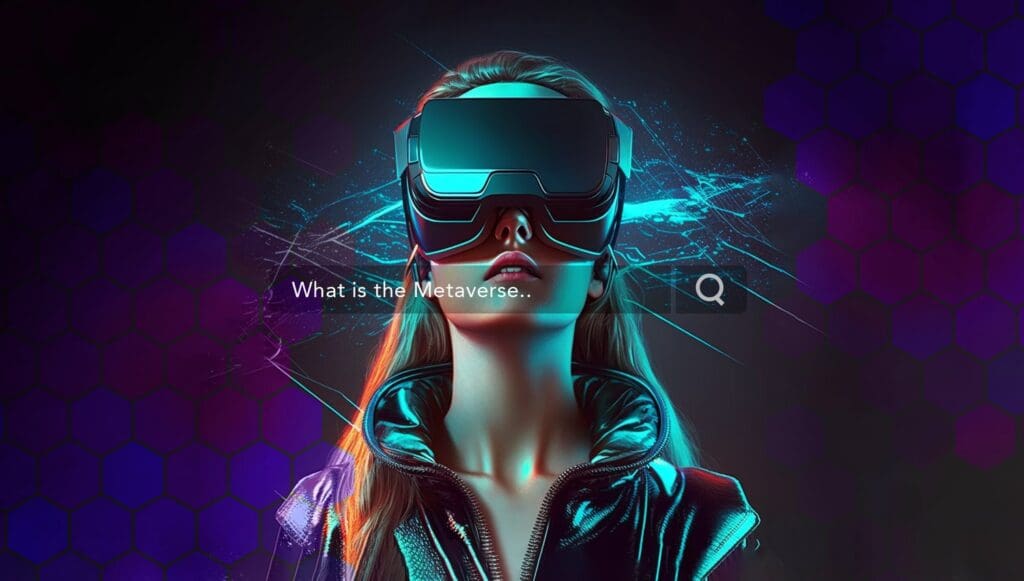
This is the top concern for parents in 2026. While many platforms have age restrictions, moderation is difficult in real-time voice chats. Children can be exposed to inappropriate content or predatory behavior if parental controls are not strictly configured.
4. How to Stay Safe: Essential Tips for 2026

The Metaverse can be safe if you take proactive measures. Here is your safety checklist:

- Establish a “Personal Bubble”: Most major VR platforms now have a feature that prevents other avatars from getting too close to you. Always keep this enabled to prevent virtual groping or intimidation.
- Use Strong Authentication: Enable Two-Factor Authentication (2FA) on every account, especially those linked to your digital wallet.
- Guard Your Identity: Do not use your real name or share your physical location in public lobbies. Be an avatar, not a target.
- Check Permissions: Be wary of apps requesting excessive permissions (like constant microphone access) that they don’t need.
- Report and Block: Familiarize yourself with the reporting tools of the platform immediately. Don’t engage with trolls; block them instantly.
Conclusion: Navigate with Caution
So, is the Metaverse safe? The answer is a mixed one. It is as safe as the precautions you take. The technology of 2025 is thrilling, but it requires a “security-first” mindset. By understanding the risks of privacy and conduct, you can enjoy the wonders of the Metaverse without compromising your safety.
Stay updated, stay skeptical, and stay safe in the virtual world.
You may also like this content
- The Metaverse: What it is, How to Enter, and Its Potential Impact
- Metaverse 5 Reasons Why its Awesome
- Metaverse Coins Buying Guide
Follow us on TWITTER (X) and be instantly informed about the latest developments…