
I have to admit, when I first saw this piece of news late last night—right after logging off from my day job at the bank and finally sitting down at my computer to dive into the tech world—I wasn’t entirely shocked, but I definitely took a deep breath. We all knew this day was coming, but seeing it happen out in the open feels like a massive turning point.
If you are a gamer, you know exactly how the community feels about Artificial Intelligence right now. Whenever a studio even hints at using AI-generated content, the backlash is usually immediate and fierce. Most game developers are treading very carefully, treating generative AI like a radioactive element. But despite the anger and the resistance, the winds of change are blowing hard.
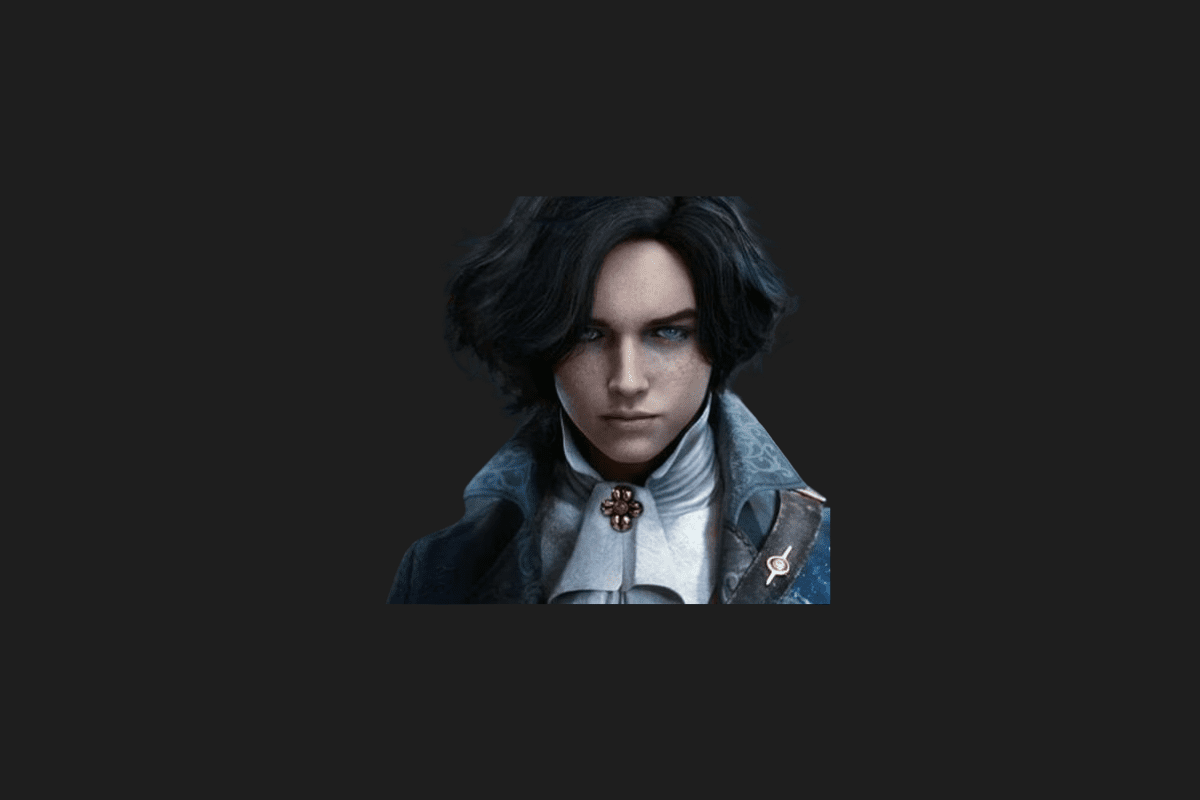
Round8 Studio, the team that gave us the incredibly atmospheric and critically acclaimed Lies of P, has just made a move that proves this transformation is inevitable: They are officially looking for an “AI Artist.”
Here is my breakdown of what this means, why it’s happening, and why I believe the gaming industry will never be the same.
What Does an “AI Creator” Actually Do?

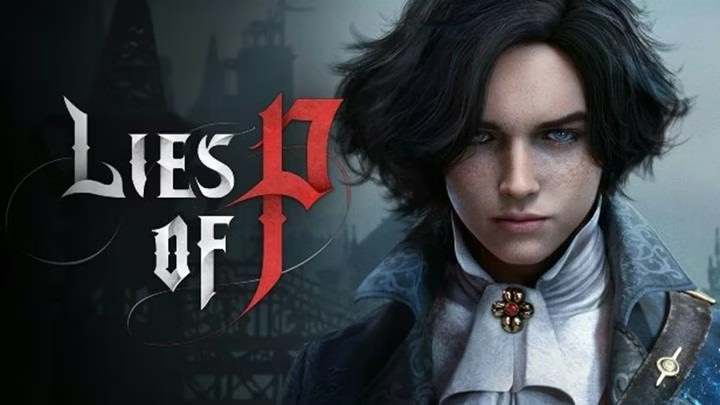
When I dug into the details of the job listing published by Neowiz (Round8’s publisher), it became clear that they aren’t just looking for someone to type a few prompts into ChatGPT. They are building a completely new, next-generation production pipeline.
The primary goal of this “AI Creator” is to blend human artistic creativity with the raw productivity of generative AI. They want to increase the efficiency of their art design process and elevate the visual fidelity of their upcoming projects.
Here is exactly what this role entails:
- Concept Generation: Using tools like Stable Diffusion and Midjourney to generate initial concept art for characters and environments.
- Asset Variation: Quickly creating multiple iterations and alternate versions of existing designs.
- Technical Integration: It’s not just about pretty pictures. The role includes AI-assisted texturing, modeling support, and generating usable in-game assets.
- Advanced Post-Processing: Raw AI outputs are rarely game-ready. The artist will use techniques like in-painting, out-painting, and high-resolution upscaling to refine the visuals to AAA standards.
- Model Training: Perhaps the most important part—the candidate will be expected to train new, custom AI models and keep the studio’s workflow updated with the latest AI trends.
To me, this reads like a highly technical, hybrid role. It requires someone who understands traditional art fundamentals but is also a wizard at wrangling AI to do the heavy lifting.
The Larian Studios Backlash and The Road Ahead
You might remember that not too long ago, Larian Studios (the legends behind Baldur’s Gate 3) hinted at exploring similar AI avenues. The gaming community reacted so aggressively that they had to immediately walk back their statements. Gamers are deeply protective of the human element in art, and rightly so. There is a fear that AI will strip the “soul” out of our favorite digital worlds.
Because of this history, I am incredibly curious to see how the community reacts to Round8 Studio’s transparent approach. Will they face a boycott, or will the quality of their next game silence the critics?
Here is my personal take on this: Game studios being open about using these technologies is actually a good thing.
The reality is that AI is already creeping into game development, whether we like it or not. I would much rather have studios clearly state, “Yes, we are hiring an AI artist to optimize our workflow,” than secretly use AI tools behind closed doors while pretending everything is hand-painted.
The Floodgates Are Opening
Whether the gamer pushback delays this shift by a few months or a year, it’s not going to stop it. The cost of developing AAA games has skyrocketed to unsustainable levels. If a studio can use AI to cut concepting time in half or automate tedious texturing work, they are going to do it.
Once a few brave studios like Round8 weather the initial storm of criticism and release a phenomenal, AI-assisted game, the stigma will begin to fade. It will become the new normal. We’ve seen this exact same pattern in the film industry, in digital photography, and in modern journalism. The “AI train” has left the station, and eventually, every major studio will be forced to jump on board just to stay competitive.
The real question isn’t if AI will be used in games, but how well human artists can direct it to create worlds that still resonate with us.
I’ve been thinking about this all morning, and I want to hear your thoughts. If a game’s story, gameplay, and atmosphere are absolute masterpieces, do you really care if the developers used Midjourney to help design the boss fights? Let me know down in the comments, let’s talk about it!
You Might Also Like;
- Samsung Enters the Robotics Arms Race: Inside the New RX Unit
- The Danger of AI Confidence: Why We Are More Wrong Than Ever
- The Hidden Threat Above Us: Are We Facing a Nuclear Arms Race in Space?
-

-
-
-
-
-
-
-

-
-
-
-

