I’m sitting here watching a thunderstorm roll in, and honestly, it’s driving me crazy. Why am I watching tens of thousands of gigawatts of free energy just vanish into the sky?
I was digging into this topic recently for you, my Spartans, and I was absolutely mind-blown by what I found. We live in an era where we are landing reusable rockets on drone ships and building artificial intelligence that can write code, yet capturing the raw power of the sky feels entirely impossible right now.
I find this incredibly frustrating. Imagine lighting up an entire city with just one strike! But instead, I can only watch the storm and wonder if this ultimate energy will ever be tamed. Let’s break down exactly why catching lightning is the ultimate boss fight for modern science.
The Raw, Terrifying Power of a Single Bolt

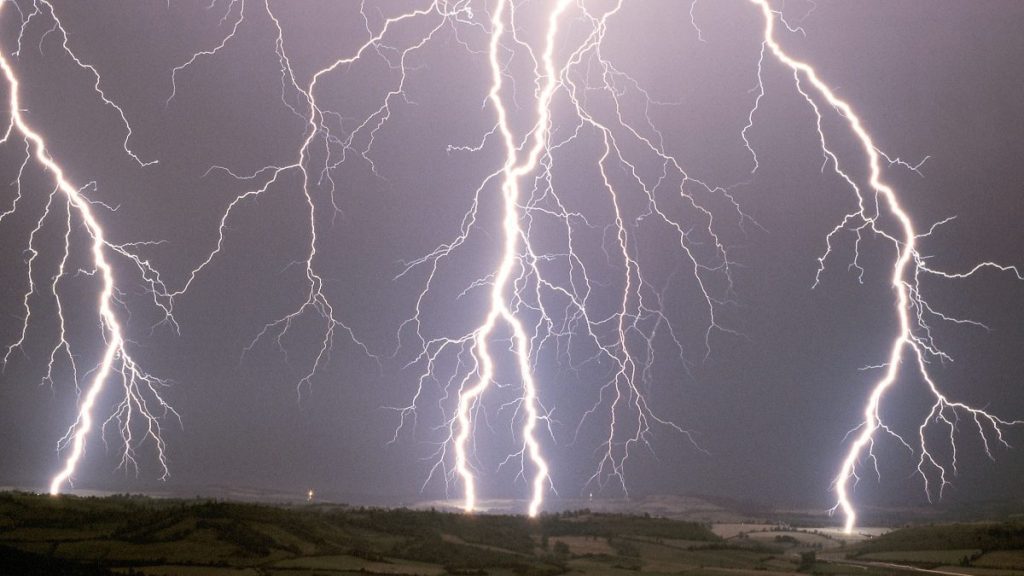
Before we talk about why we can’t catch it, I need you to understand exactly what we are missing out on. When you look up and see a flash of lightning, you aren’t just seeing light; you are witnessing one of the most violent energy transfers in nature.
- Mind-Blowing Heat: A lightning bolt can heat the air around it to 50,000 degrees Fahrenheit (27,760 degrees Celsius). That is literally five times hotter than the surface of the Sun.
- Massive Voltage: We are talking about anywhere from 100 million to 1 billion volts per strike.
- Pure Energy: A single average bolt contains roughly 5 billion joules of energy.
To put that into perspective, if we could harvest a single lightning bolt with 100% efficiency, it could power an average home for over a month. Multiply that by the estimated 44 lightning strikes that happen every single second around the globe, and you are looking at an endless, free, atmospheric power grid.
So, why aren’t we plugging our cities into the clouds? Because of two massive, currently unbeatable roadblocks.
Roadblock 1: Playing the Ultimate Guessing Game

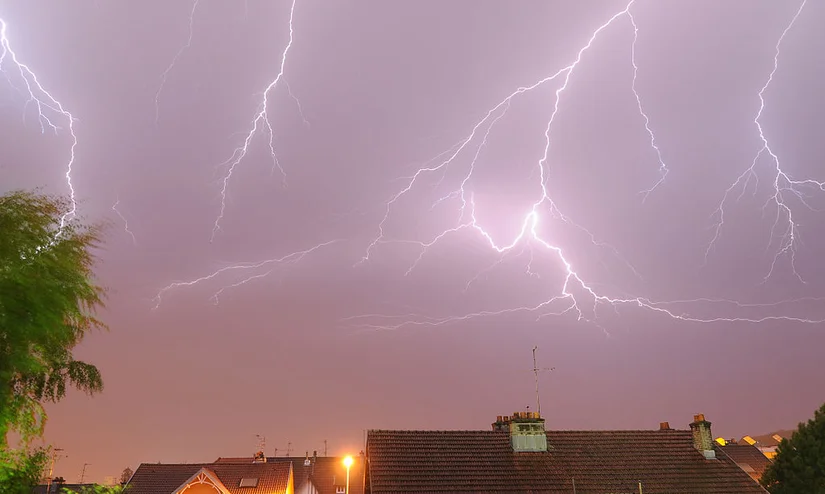
The first problem I hit while researching this is logistics. I just can’t predict exactly where or when lightning will strike.
Sure, meteorologists know when a storm is coming. We know that tall, conductive structures like the Empire State Building get hit frequently. But setting up a massive, multi-billion-dollar energy harvesting facility based on “it might strike here” is a terrible business model.
Lightning is chaotic. It follows the path of least resistance through the air, and that path changes microsecond by microsecond depending on temperature, humidity, and atmospheric dust. To catch it, we would need to build a massive net of conductive towers across thousands of miles, and even then, most of them would sit idle 99% of the time.
Roadblock 2: The Great Battery Melting Point

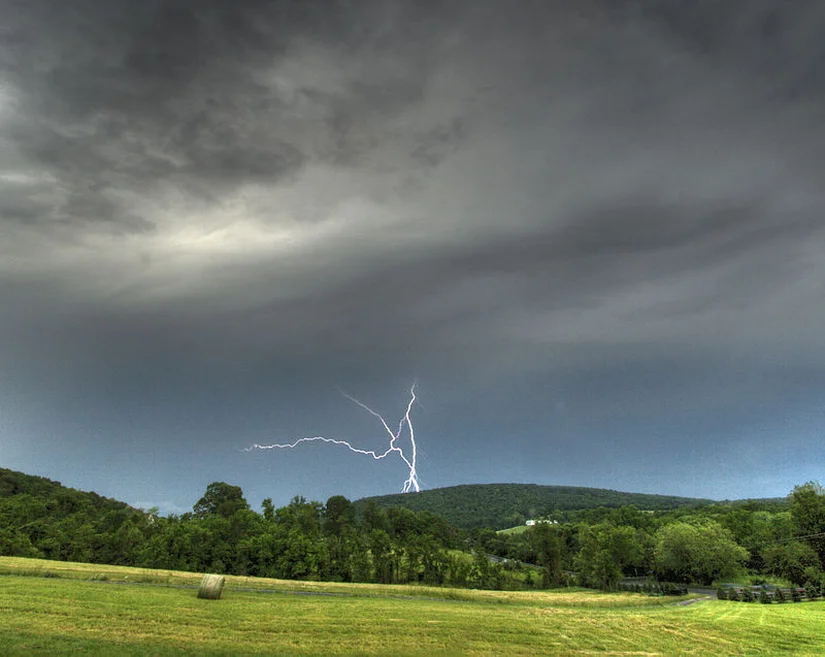
But let’s say a miracle happens. Let’s say I invent a predictive algorithm that tells me exactly where the next bolt will hit. This is where we run into the true wall of physics: there is literally no battery technology on Earth that can absorb that explosive power.
Think about how you charge your phone. You plug it into a wall, and a steady, tiny trickle of electricity flows into the lithium-ion battery over an hour or two. If you try to push too much power into it too fast, it overheats, expands, and catches fire.
Now, imagine taking 1 billion volts and trying to shove it into a battery in 30 milliseconds (the average duration of a strike).
- Current Batteries: They are designed for slow, chemical energy storage. A lightning strike would simply bypass the battery’s internal chemistry, arc across the terminals, and instantly vaporize the entire system.
- Capacitors: Now, capacitors can absorb and release energy instantly. But here’s the catch—they have terrible storage capacity. A capacitor big enough to hold a single lightning bolt would need to be the size of a skyscraper.
This is the ultimate bottleneck. The energy delivery is just too fast and too violent. We don’t need a new way to catch it; we need a fundamental revolution in how we store kinetic and electrical energy.
Will We Ever Tame the Storm?

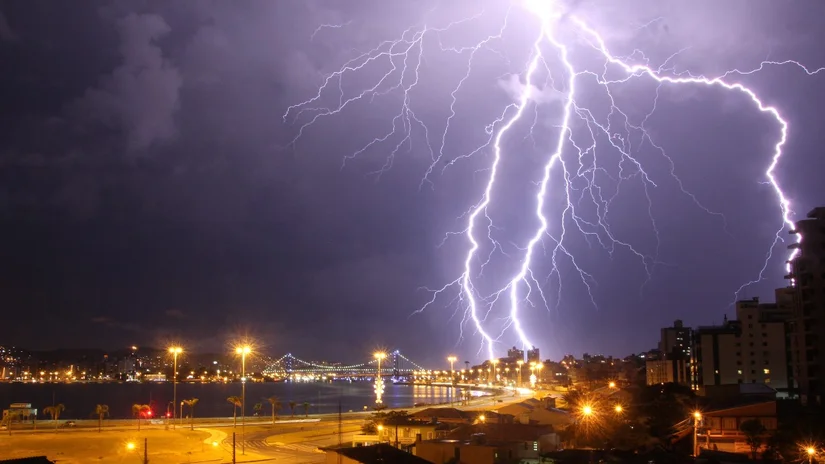
I constantly wonder if this ultimate energy will ever be tamed, or if it will forever remain out of our reach. But if there’s one thing I’ve learned covering next-gen tech here on Metaverse Planet, it’s that “impossible” usually just means “we haven’t figured it out yet.”
There are actually some crazy concepts being tested right now. Have you heard of the Laser Lightning Rod? Scientists in Switzerland recently fired a massive, terawatt-class laser into the sky during a storm. The laser creates a temporary “plasma channel” in the air—basically a super-conductive wire made of light—that actually guides the lightning down to a specific point.
If we can master guiding the lightning, the next step is building the ultimate supercapacitor. Researchers are looking heavily into graphene-based supercapacitors and quantum batteries that might—just might—be able to handle the microsecond surge of a thunderbolt without turning into a puddle of molten metal.
My Final Take
Watching tens of thousands of gigawatts vanish into the sky hurts my tech-loving soul. It is the ultimate tease from Mother Nature. But every time I see a storm now, I don’t just see wasted energy; I see the ultimate final boss for human engineering. If we can solve the battery bottleneck, we could unlock an era of unlimited, atmospheric energy.
I’m going to keep tracking these breakthrough battery and laser technologies for you all. If you want to stay ahead of the curve on insane future tech like this, come on, subscribe now and support me please! I need my Spartans with me as we figure out the future.
What do you guys think? Will we see a city powered entirely by captured lightning in our lifetimes, or is this just science fiction that physics will never allow? Let me know in the comments!
#LightningEnergy #FutureTech #MetaversePlanet #BatteryTech #NextGenTech #ScienceFacts
You Might Also Like;
- The Unsolved Mystery of Lightning Energy: Why We Can’t Catch It
- The Terrifying Reality of Flying Nuclear Bombers
- How Long Does It Really Take to Travel to Mars?
-

-

-

-

-

-

-

-

-

-

-

-