I looked at my framed diploma the other day, and to be completely honest, it broke my heart. The glass was a little dusty, but the reality behind it was crystal clear. AI is far more ruthless than I ever imagined. I always thought there would be a long, comfortable transition period where we could slowly adapt alongside these new tools. I was wrong.
While researching the current state of automation and machine learning, I was genuinely terrified. The future isn’t approaching; it has already kicked down the front door. I started counting backwards, looking at ten traditional, respected professions that are being systematically dismantled and reshaped faster than anyone predicted. If you think your degree makes you untouchable, I invite you to take this journey with me.
Here is the countdown of the ten professions falling to the algorithm, and why the speed of this shift is shaking me to my core.
10. Bankers: The Entire Branch in Our Pockets


I can’t remember the last time I actually walked into a physical bank branch, and I bet you can’t either. The traditional banker, the person who sat across a mahogany desk and advised you on loans and accounts, is being replaced by lines of code.
- The Reality: Everything is in our pockets now.
- The AI Edge: Algorithms assess credit risk in milliseconds, chatbots handle account inquiries 24/7 without a lunch break, and robo-advisors build stock portfolios with a level of historical data analysis no human brain could ever match. The traditional retail banker is simply losing the speed race.
9. Coders: The Masters Replaced by Their Creation

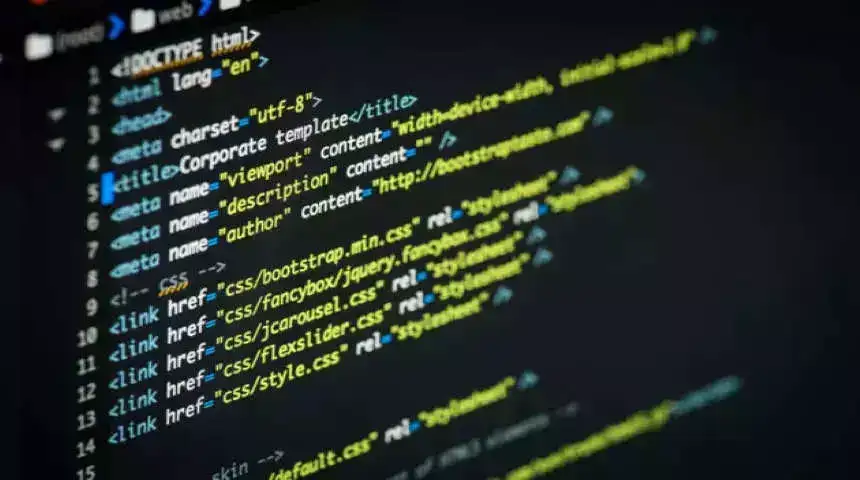
This one feels incredibly ironic. The very people who built the foundation of the digital age are watching AI write code five times faster than they can type.
- The Reality: I used to watch my developer friends spend days hunting down a single bug in thousands of lines of syntax. Now? You paste the code into an AI, and it highlights the error before you can blink.
- The AI Edge: Tools like GitHub Copilot and autonomous software engineers don’t just autocomplete; they generate entire functioning applications from simple conversational prompts. The entry-level coder who just writes boilerplate code is functionally obsolete.
8. Cashiers: The Vanishing Checkout Line


We used to joke about self-checkout machines constantly saying “unexpected item in the bagging area.” Those days are over.
- The Reality: Autonomous stores are springing up everywhere. You walk in, grab a sandwich, and walk out. No scanning, no swiping, no human interaction.
- The AI Edge: Computer vision and advanced sensor fusion track exactly what you pick up and charge your account automatically. The role of the cashier isn’t just diminishing; in the modern retail environment, it is entirely unnecessary friction.
7. Accountants: Instantaneous Mathematics


Tax season used to be a nightmare of receipts, calculators, and stressed-out CPAs drinking too much coffee.
- The Reality: Algorithms calculate everything instantly. What used to take an accounting firm weeks to audit now takes an AI a few seconds.
- The AI Edge: AI doesn’t misplace a zero. It doesn’t get tired reading balance sheets. It automatically categorizes expenses, flags anomalies, and predicts cash flow with terrifying precision. The pure data-crunching accountant is being replaced by intuitive software dashboards.
6. Couriers: The Automated Last Mile
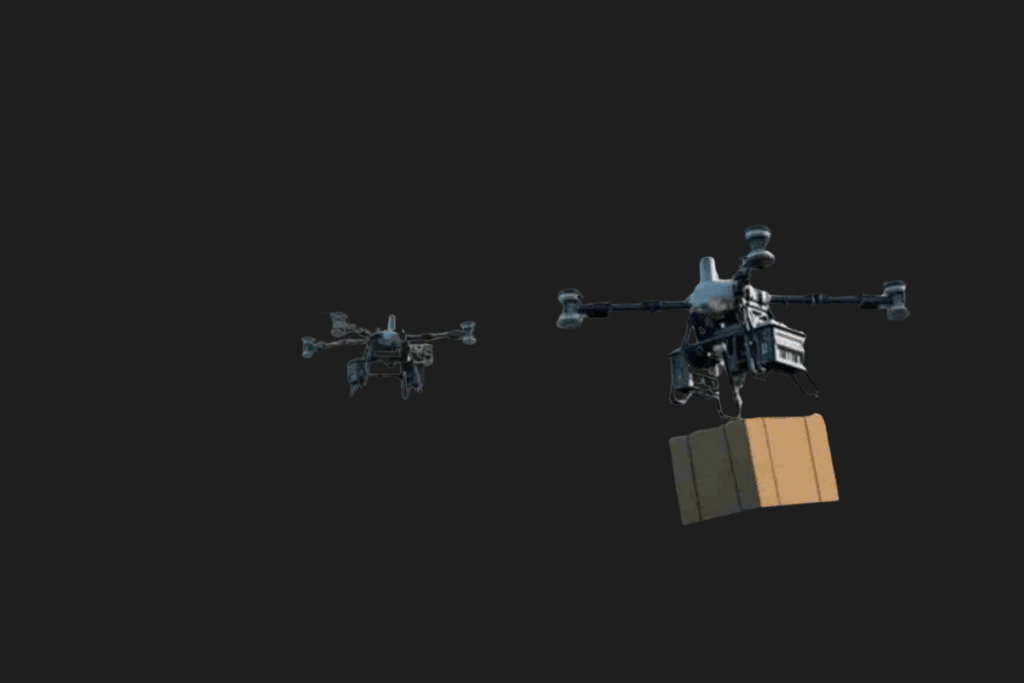
I was walking down the street recently and had to step aside for a little robot with a flag rolling past me, delivering someone’s lunch. I just stood there and stared at it.
- The Reality: Drones have passed the tests. Delivery robots are navigating sidewalks.
- The AI Edge: Human couriers get stuck in traffic, need breaks, and are limited by how much they can physically carry. Autonomous delivery networks optimize routes in real-time, working silently through the night to bring packages exactly to our doorsteps.
5. Graphic Designers: Masterpieces in Milliseconds

I remember paying hundreds of dollars and waiting two weeks for a simple website logo.
- The Reality: Logos, concept art, and website layouts now take seconds.
- The AI Edge: You type a sentence into an image generator, and it spits out four variations of a hyper-realistic image or a sleek, minimalist logo. While elite, conceptual designers are still needed to guide the vision, the middle-tier graphic designer who made a living doing simple layouts and vector graphics is competing with a machine that works for pennies.
4. Customer Service: The Illusion of Empathy
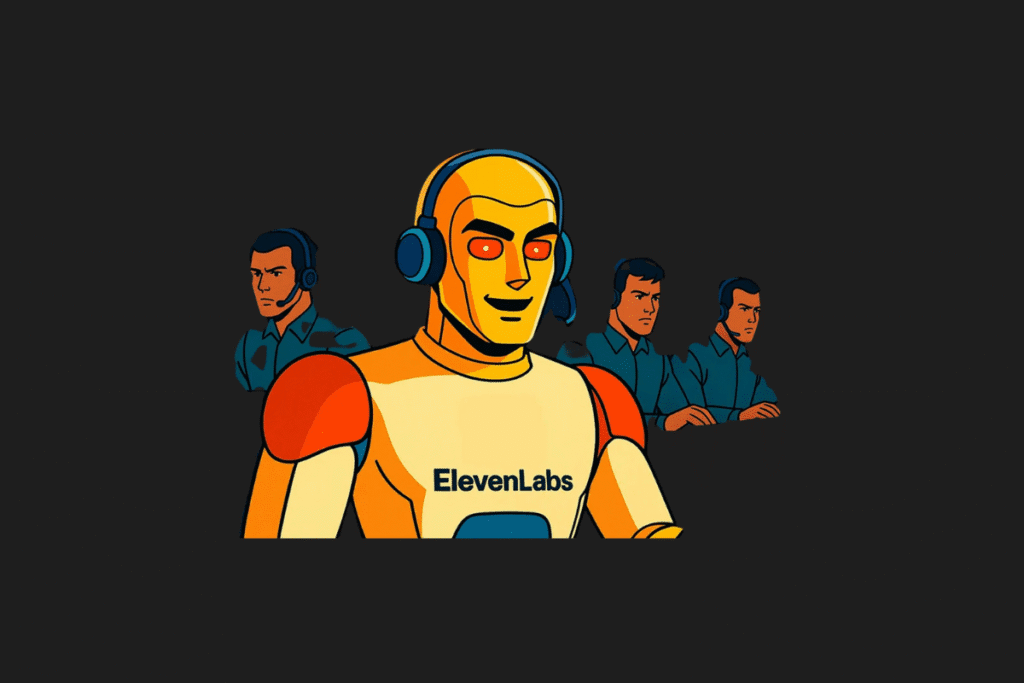
Call centers used to be massive warehouses filled with people wearing headsets.
- The Reality: Even the bots show empathy now. And that’s the scary part.
- The AI Edge: Today’s AI voice agents don’t sound like the robotic phone menus of the 2010s. They sigh, they pause, they use conversational fillers like “um” and “ah.” They handle furious customers without ever losing their temper, instantly accessing your entire purchase history to solve the problem while a human agent would still be asking for your order number.
3. Copywriters: A Thousand Words a Second


As someone who writes for a living, this hits incredibly close to home.
- The Reality: The blank page used to be a writer’s biggest enemy. Now, AI generates a thousand words a second.
- The AI Edge: Product descriptions, SEO blog posts, email marketing campaigns—AI can churn these out in dozens of different tones of voice instantly. The sheer volume of text a machine can produce makes human typing speed look like a joke.
2. Translators: Breaking the Language Barrier


Learning a second language used to be the ultimate professional advantage.
- The Reality: Instant voice translation has begun. The sci-fi dream of the universal translator is here.
- The AI Edge: You speak in English, and your phone speaks your exact words in flawless Mandarin a second later. AI doesn’t just translate word-for-word anymore; it understands cultural context, idioms, and slang, making the traditional human translator in business meetings increasingly rare.
1. Data Entry: The Perfect Machine Task


This was always a soul-crushing job for humans, and honestly, we shouldn’t be sad to see it go.
- The Reality: Done with zero errors.
- The AI Edge: Optical Character Recognition (OCR) and machine learning models can scan millions of physical documents, extract the relevant data, and populate databases flawlessly. There are no typos, no fatigue, and no misread handwriting.
Where Do We Go From Here?
Looking back at that diploma, I realized something important. The piece of paper on my wall represents a snapshot of the past, a proof that I learned how to learn. The tools have changed, and the speed of innovation is breathtaking. AI is ruthless, yes, but it is also a mirror showing us what parts of our jobs were robotic all along.
We can’t out-calculate, out-type, or out-translate these machines. What we can do is pivot. We have to become the directors, the editors, and the visionary minds that guide these powerful algorithms.
I wonder if your profession is on this list, Spartans? Let us meet in the comments.
You Might Also Like;
- Tactical Force: The Leaked Cost and Release Date of Star Wars Zero Company | Metaverse Planet
- The Silent Goodbye: Decoding the Sudden Loss of NASA’s MAVEN Mars Mission
- Revolutionizing Skyscrapers: The 100-Meter 3D Printing Crane
-

-
-
-

-

-

-
-

-

-

-
-