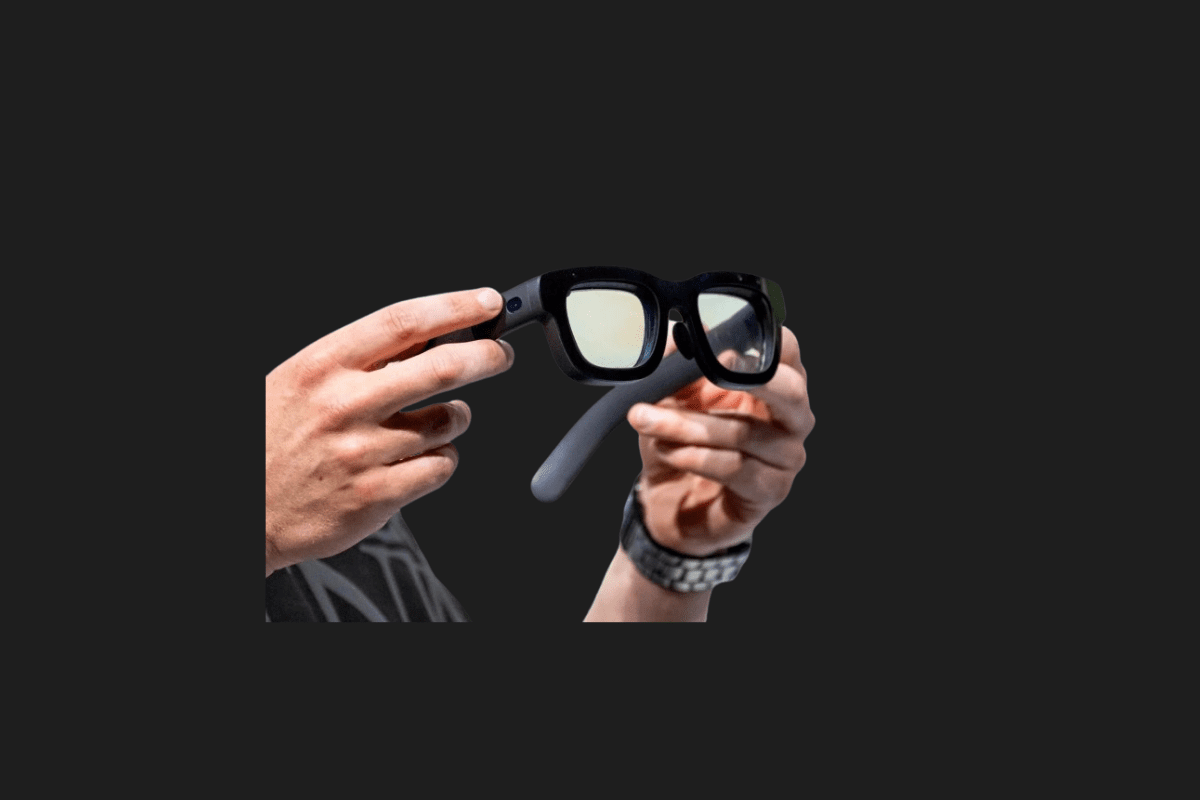
What a morning, Spartans. I was glued to the live stream for the Google I/O developer conference, anticipating the usual software updates and perhaps a new AI model tweak. Instead, Google and Samsung just dropped a hardware announcement that completely shattered my expectations of where augmented reality is heading next.
They officially unveiled their collaborative Android XR smart glasses, and they have taken a massive, incredibly risky, yet brilliant leap: They removed the screens entirely.
When I first heard this, I was skeptical. How can you have an XR (Extended Reality) device without a visual display? But as I dug deeper into the architecture and the sheer power of the AI driving these frames, it hit me. We are looking at the potential end of the smartphone era as we know it. Let’s break down exactly what makes these new glasses a monumental shift in personal technology.
The Death of the Screen: Pure Audio and AI

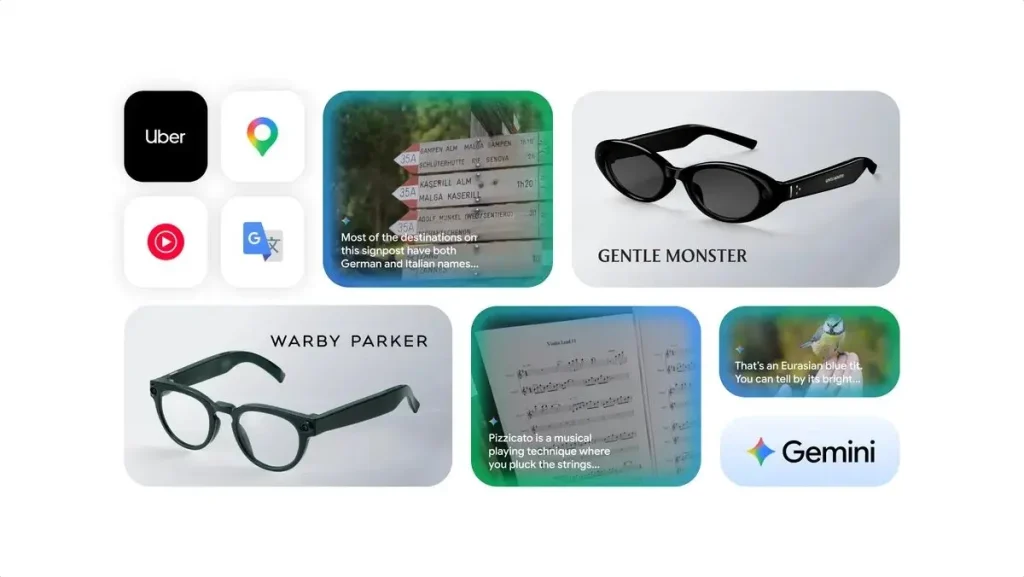
If you have been following my deep dives into the Metaverse and XR hardware, you know my biggest complaint is always form factor. Headsets are heavy, and augmented reality glasses often struggle with battery life and terrible field-of-view displays.
Google and Samsung solved this by offloading the visual output entirely.
- Advanced Sensory Input: The glasses are equipped with highly sophisticated, discreet cameras and microphones that constantly perceive the world exactly as you do.
- Immersive Audio Output: Instead of projecting holograms into your eyes, all information is delivered through ultra-clear, open-ear directional speakers built into the stems.
- The Brain of the Operation: The entire system is powered by Gemini. You interact with it via a simple tap on the frame or by just saying, “Hey Google.”
By removing the display, they have solved the weight, heat, and battery issues that have plagued the XR industry for a decade. It is a bold statement: The ultimate interface isn’t a screen; it’s an intelligent, omnipresent AI agent whispering in your ear.
What Can You Actually Do With Them?

I am not one to fall for pure hype without seeing practical utility. But the use cases Google showcased are exactly what a true “personal assistant” should be doing. Here is what blew my mind:
Hyper-Contextual Visual Queries
Imagine walking down the street, catching a waft of amazing food from a restaurant you’ve never seen. You don’t need to pull out your phone, open Maps, and type the name. You just look at the building and ask, “What are the reviews for this place?” Gemini instantly tells you.
Look at a weird parking sign, look at a strange cloud formation, or look at a broken appliance in your house—Gemini sees it and gives you the answers immediately. It is literally Google Search for your physical reality.
Next-Generation Navigation
Because the glasses know exactly where you are standing and exactly where your head is turned, the navigation is flawless. It’s not just a blue dot on a map anymore. It feels like a local guide walking next to you, giving you natural, step-by-step audio directions. It can even dynamically suggest a coffee shop on your route based on your past preferences.
True Hands-Free Agentic Capabilities
This is where the Gemini Intelligence running in the background shines. It doesn’t just answer questions; it acts as an agent.
- Hands full of groceries? You can manage incoming calls and dictate messages seamlessly.
- Got a massive block of text from a coworker? Gemini will read you a perfectly condensed summary.
- Background Execution: While you are walking, you can tell the glasses to order your usual coffee from DoorDash or call an Uber to your upcoming destination. You just say “Confirm,” and the AI handles the logistics.
The Ultimate Real-Time Translator
We have seen real-time translation before, but Google just raised the bar. If you are traveling abroad, the glasses will translate the foreign language directly into your ear. But the absolute killer feature? It mimics the speaker’s tone and emotional inflection. It doesn’t sound like a robotic text-to-speech engine; it sounds like the actual person talking to you. You can also look at foreign menus or street signs, and Gemini will whisper the translation to you.
Photography and Nano Banana AI Editing
Taking high-quality photos and videos is now as easy as a voice command or a quick gesture. But the post-processing is where it gets fun. Utilizing Google’s new Nano Banana technology, you can take a picture in a crowded tourist spot and simply say, “Erase the crowd in the background,” or get creative and say, “Put funny hats on everyone in this photo.” The AI does it instantly.
Overcoming the “Glasshole” Curse: High Fashion Meets Deep Tech

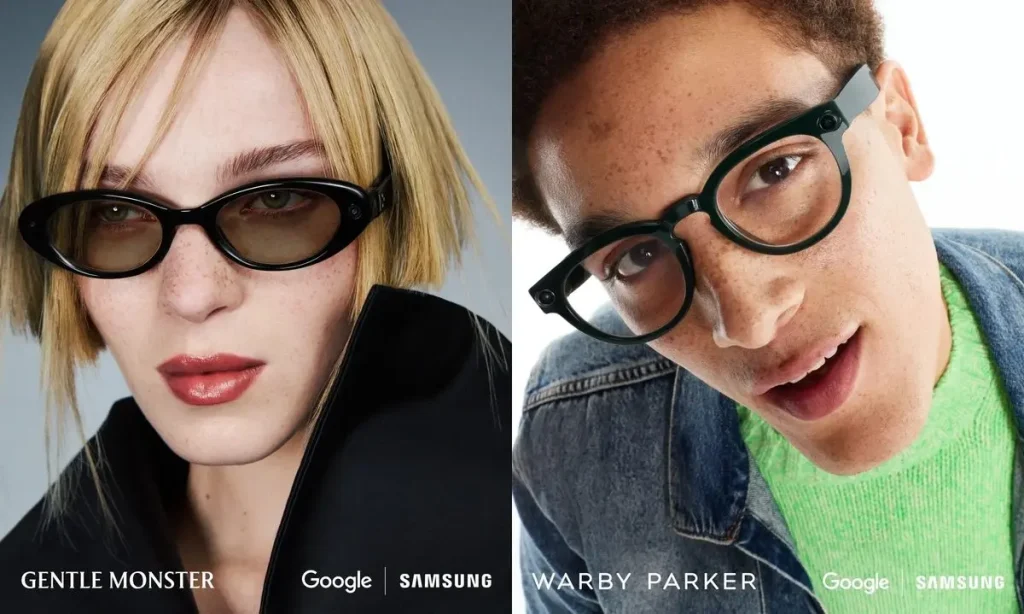
Let’s be honest. The biggest reason smart glasses haven’t gone mainstream is that nobody wants to walk around looking like a cyborg. The tech industry has a terrible track record with fashion.
Google and Samsung knew this, so they brought in heavy hitters to wrap around their Qualcomm chips.
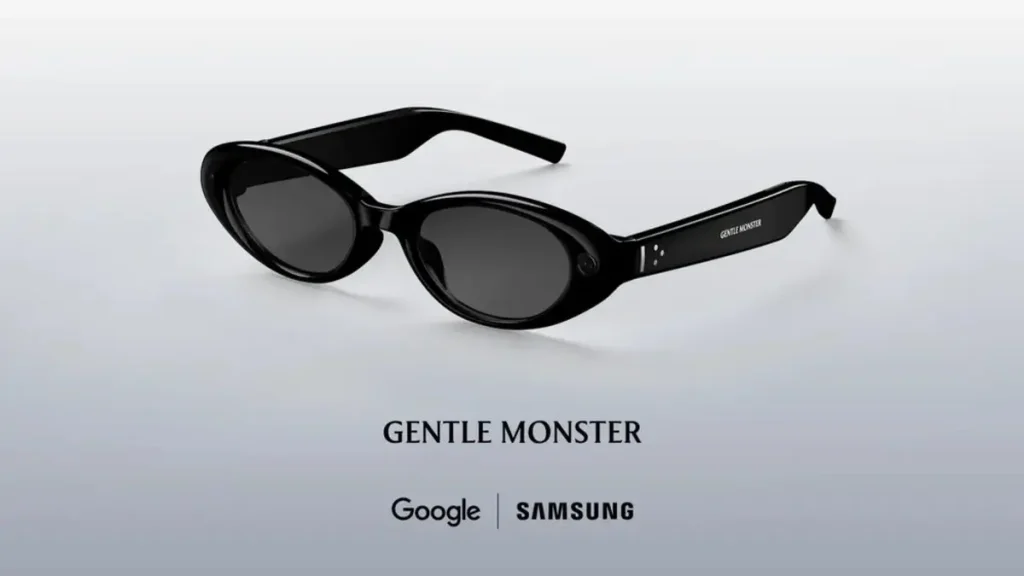
- Gentle Monster: The avant-garde, ultra-cool South Korean brand is providing designs for those who want an edgy, high-fashion statement piece.
- Warby Parker: For the rest of us who want something timeless, classic, and completely unassuming, Warby Parker’s frames make these look like standard, stylish prescription glasses.
You aren’t wearing a gadget; you are wearing designer eyewear that just happens to house the most advanced AI on the planet.
The iOS Surprise: A Trojan Horse into Apple’s Walled Garden
Here is the strategic masterstroke that genuinely shocked me: These glasses are fully compatible with iPhones.
Google and Samsung aren’t just trying to sell Android hardware. They are trying to make Gemini the default operating system for your life. By making these highly desirable glasses work flawlessly with iOS, Google is effectively sneaking its premier AI ecosystem right past Apple’s walled garden. It is a brilliant play for total market dominance.
Final Thoughts
Releasing this fall, these Android XR glasses represent a massive paradigm shift. We are moving away from looking down at glowing rectangles and moving toward looking up at the real world, augmented by an invisible, intelligent layer of audio data.
I’ve analyzed a lot of hardware on this platform, but this is the first device in a long time that makes me feel like I am genuinely living in the future.
So, I have to ask you: Are you ready to ditch the screen and trust an AI whispering in your ear all day, or does the idea of a camera constantly analyzing your point of view still feel a bit too dystopian? Drop your thoughts in the comments below, let’s get into it!
You Might Also Like;
- AI Diaries: Weekly AI News and Updates (July 28, 2026)
- Inside the Freelander 8: The Ultimate Luxury Tech Cabin Revealed
- The Era of Self-Healing Spacecraft: Surviving the Cosmos
-

-

-

-

-

-

-

-

-

-
-
-