
Ever looked up at the stars, marveled at the International Space Station streaking across the night sky, and wondered about the everyday logistics of living up there? I have to admit, while most people are obsessed with rocket propulsion and warp drive theories, I recently went down a massive rabbit hole researching something far more basic: how astronauts go to the bathroom.
I was completely shocked when I started digging into the high-tech vacuum toilets and life support systems on the ISS. It’s not just a matter of convenience; it’s a matter of absolute survival in one of the harshest environments imaginable. And yes, it brings us to that one crazy rumor everyone talks about: is it true that astronauts drink their own pee? Spoiler alert: Yes, they absolutely do. But before you click away in disgust, let me walk you through the mind-blowing technology that makes this possible. Trust me, by the time you finish reading this, you’ll have a newfound respect for aerospace engineering.
The Gravity of the Situation: Why Space Bathrooms Are Engineering Marvels

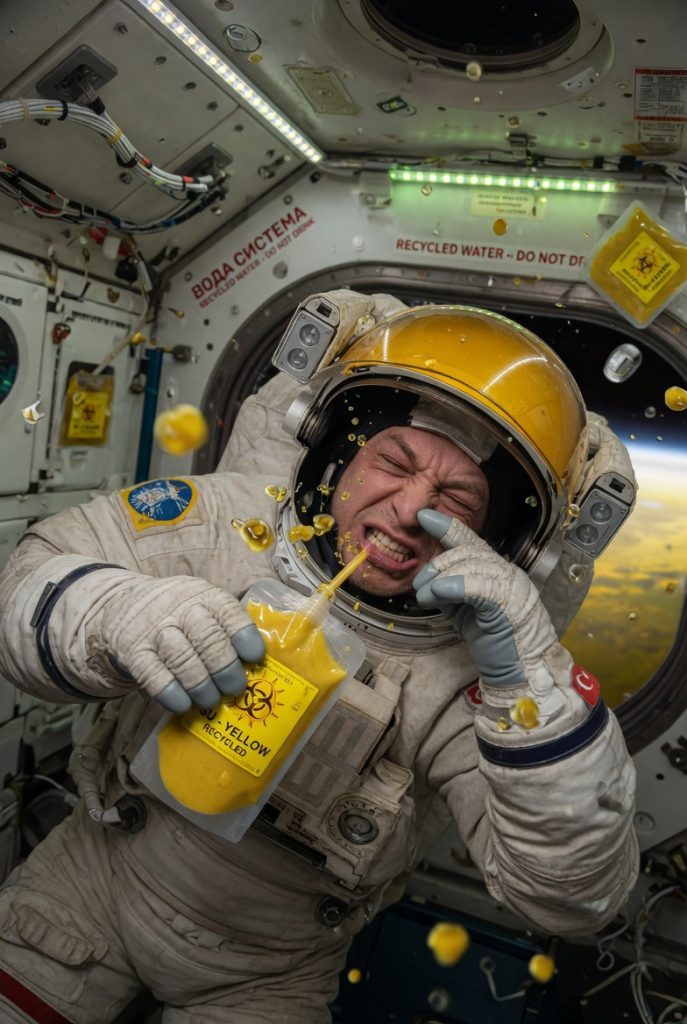
When I first thought about zero gravity, I pictured astronauts doing cool flips and eating floating water blobs. But think about zero gravity in the context of human waste. Without gravity to pull things down, everything—liquids and solids—just wants to float around.
In the early days of space exploration, this was a literal nightmare. During the Apollo missions, astronauts didn’t have fancy titanium space toilets. I was horrified to learn that they actually had to use a plastic bag system. They would tape a bag to their backsides, do their business, seal it, and then massage a germicide packet into the waste to prevent gas buildup. It was messy, time-consuming, and incredibly stressful.
Fast forward to today, and the situation is vastly different. NASA recently sent up the Universal Waste Management System (UWMS), a space toilet that cost a staggering $23 million to develop. But how exactly does a multi-million dollar toilet work?
The Mechanics of the UWMS
Instead of gravity, space toilets use air flow. Here is how the brilliant engineers at NASA solved the floating waste problem:
- For Liquid Waste: Astronauts use a specialized hose equipped with a funnel at the end. When they turn it on, a vacuum system kicks in, pulling the liquid directly into the hose. The funnel is ergonomically designed to accommodate both male and female anatomy, ensuring that nothing escapes into the cabin.
- For Solid Waste: There is a small seat, significantly smaller than a standard Earth toilet, positioned over a canister. Astronauts strap their feet into foot restraints and hold onto handlebars to stay seated. When they use it, strong suction pulls the waste down into a specialized bag inside the canister.
- Odor Control: The air that pulls the waste down is heavily filtered to remove bacteria and odors before being recirculated back into the ISS cabin. Nobody wants a smelly space station!
Once the solid waste canister is full, the bags are compacted and stored. Eventually, they are loaded onto a disposable cargo ship that burns up in Earth’s atmosphere. Yes, sometimes those shooting stars you see might just be astronaut trash incinerating upon re-entry.
The “Drinking Your Own Pee” Reality Check
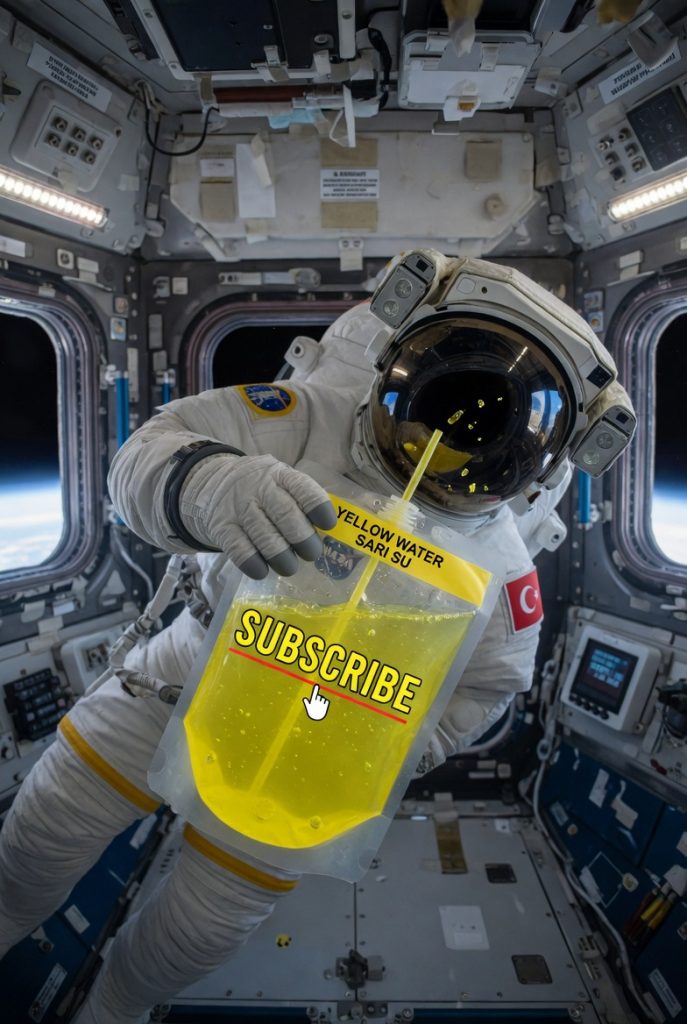
Now, let’s talk about the elephant in the room. The liquid waste isn’t thrown away. Launching a single gallon of water into space costs roughly $10,000 to $40,000 depending on the rocket. It is simply too expensive and inefficient to constantly send fresh water to the ISS.
This is where the Environmental Control and Life Support System (ECLSS) comes in. I honestly consider this one of the greatest technological achievements in human history.
The ECLSS is a complex network of hardware that acts as the space station’s artificial kidney. Its primary job is to recover moisture from every possible source and turn it into pristine, drinkable water. Here is the step-by-step breakdown of how yesterday’s coffee becomes tomorrow’s coffee:
1. Chemical Stabilization
As soon as the urine is collected, it is immediately treated with a chemical mixture—typically containing chromium trioxide and sulfuric acid. This stops the breakdown of urea into ammonia, which would be highly toxic and corrosive to the spacecraft’s plumbing.
2. The Urine Processor Assembly (UPA)
Because boiling liquids in zero gravity is incredibly difficult (the steam doesn’t separate from the liquid without gravity), the UPA uses a rotating distillation process. It spins a cylinder at high speeds to create artificial gravity, pressing the liquid against the walls while a heating element boils it. The clean water vapor is collected, leaving behind a highly concentrated brine.
3. The Water Processor Assembly (WPA)
This is where the real magic happens. The distilled water vapor from the urine is combined with condensation collected from the cabin air. And when I say condensation, I mean astronaut sweat, the moisture from their breath, and runoff from their hygiene routines. This mixed water is then pushed through a series of heavy-duty, multi-filtration beds that remove organic and inorganic impurities. Finally, a catalytic oxidation reactor burns off any remaining volatile organic compounds at high temperatures.
4. Mineralization and Testing
Before it ever reaches an astronaut’s lips, the water is checked by high-tech sensors for purity. Iodine is added to prevent microbial growth. The final result? Water that is objectively cleaner and purer than almost any municipal tap water you will find on Earth. —
The Psychology of Space Water
When I was reading up on this, I had to ask myself: could I mentally overcome the “yuck” factor? The astronauts seem completely unfazed by it. They often joke about it, using the famous phrase, “Yesterday’s coffee is tomorrow’s coffee.”
But from a psychological standpoint, it requires a complete shift in perspective. You aren’t drinking urine; you are drinking H2O that has been stripped down to its molecular base and rebuilt. The water molecules themselves have no memory of where they came from. They are just hydrogen and oxygen. Once you realize that the water we drink on Earth has been recycled through the global water cycle (and dinosaur digestive tracts) for billions of years, the ISS system just looks like a sped-up, highly efficient version of nature.
Why This Tech Matters for Earth

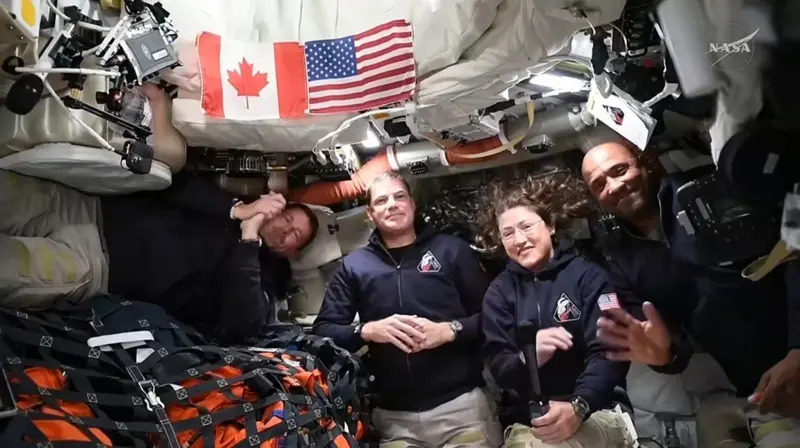
I think the most important takeaway from my research is that this isn’t just about keeping astronauts alive in orbit. This technology has profound implications for us right here on Earth.
- Disaster Relief: Variations of the ISS water filtration systems have been deployed in disaster zones where local water supplies have been contaminated.
- Developing Nations: Communities without access to clean drinking water are benefiting from reverse osmosis and chemical filtration systems pioneered for space travel.
- Sustainable Architecture: Forward-thinking architects are looking at the closed-loop systems of the ISS to design buildings that recycle all of their own greywater and blackwater, dramatically reducing municipal strain.
Final Thoughts
The more I dig into the reality of space exploration, the more I realize it’s less about the glamour of floating in zero gravity and more about extreme survival engineering. The systems required to keep humans alive in a vacuum are nothing short of miraculous. The UWMS and ECLSS are testaments to human ingenuity—proving that with enough science, we can create sustainable habitats anywhere in the universe.
I started off this research feeling a bit grossed out, but I’m walking away with absolute awe for what these engineers have accomplished. If humanity is ever going to set up permanent bases on the Moon or Mars, closing the loop on our water supply is the only way forward.
So, I have to ask… knowing how intensely pure and scientifically clean the final product is, would you be willing to drink recycled water on the ISS for a multi-million dollar astronaut salary? Drop your thoughts in the comments below, I’m genuinely curious to see who would take the deal!
You Might Also Like;
- The New Era of Space Mechanics: Extending Satellite Lifespans
- AI Discovers Groundbreaking Non-Opioid Painkiller
- Mind Over Matter: What Neuralink’s First Human Trial Really Means for Our Future
-
-

-

-
-
-

-

-

-

-

-

-

