I’ve been testing wearable tech for years, and let’s be honest: our wrists and fingers are getting a little crowded. Between the bulky smartwatches that disrupt our sleep and the smart rings that inevitably get scratched on the keyboard, I’ve been waiting for the next logical step in bio-tracking. When you’re pulling 14 or 15-hour workdays—juggling office hours at the bank and then immediately switching to the editing desk until dawn to get these articles out to you—monitoring stress, recovery, and sleep isn’t just a fun hobby; it’s absolute survival.
That’s why when I saw what just happened on Kickstarter, I was genuinely shocked. We are witnessing a massive shift in how we interact with health data, and it’s moving straight from the wrist to the earlobe.
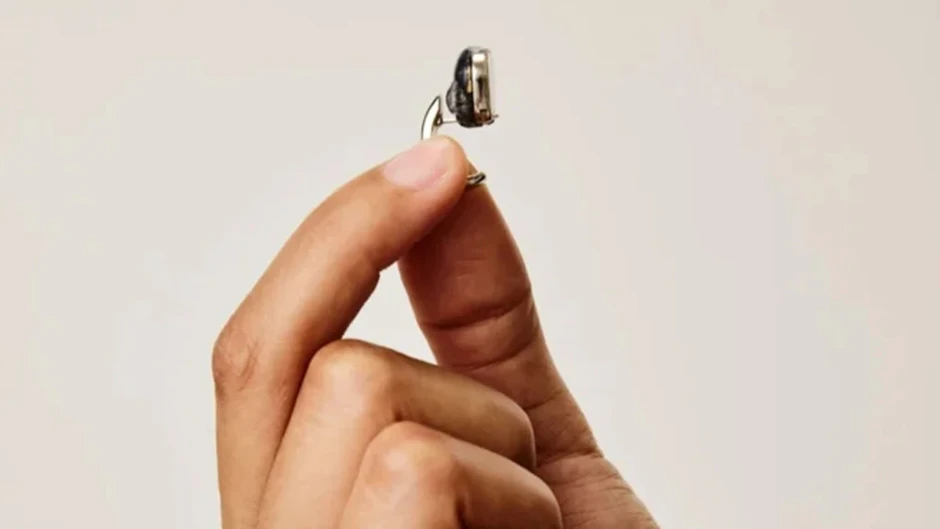
Let’s talk about the Lumia 2. This isn’t just another flashing gadget; it’s a piece of premium jewelry that might just make your smartwatch obsolete.
The Kickstarter Explosion: A $1.5 Million Statement

Normally, I look at crowdfunding campaigns with a healthy dose of skepticism. A lot of promises are made, and very few are kept. But the Lumia 2 campaign wasn’t just successful; it was an absolute flex.
- Funded in Minutes: The project hit its initial financial goal in exactly three minutes.
- Massive Backing: It quickly amassed around $1.5 million in support from early adopters.
This tells me something crucial about where our relationship with technology is heading. We are tired of screens flashing on our wrists during meetings or buzzing while we try to relax. We want the biometric data, but we want the hardware to be completely invisible. The incredible demand for the Lumia 2 proves that the market is starving for highly functional, discreet aesthetics.
Why the Earlobe? The Science of Superior Tracking


You might be wondering, “Why earrings?” It sounds like a futuristic fashion gimmick at first, but when you dig into the human anatomy, it actually makes terrifyingly good sense.
Think about your smartwatch. Every time you type, flex your wrist, wash your hands, or toss and turn in bed, the sensor shifts slightly on your skin. That movement creates “noise” and inaccuracies in the data. Smart rings solved some of this, but finger space is limited, and our fingers naturally swell throughout the day.
The earlobe, however, is prime real estate for biometric sensors for two major reasons:
- Shallow Veins: The blood vessels behind the ear are incredibly close to the surface of the skin. This allows optical sensors to get a much clearer, stronger, and more accurate reading of your blood flow.
- Ultimate Stability: Your earlobe doesn’t flex or bend like a wrist joint. The sensor stays flush and stable against the skin, providing uninterrupted data flow even when you are walking, running, or sleeping.
By utilizing this incredibly stable biological environment, the Lumia 2 tracks over 20 different health parameters, including continuous heart rate, blood flow, and deep sleep metrics. Previous companies, like Incora Health, toyed with this idea, but Lumia 2 seems to be the first to truly perfect the execution.
A 24/7 Invisible Health Assistant

What really caught my attention while researching this device is the “set it and forget it” philosophy behind its design. The goal is zero friction in your daily routine.
Here is what makes the daily experience with these smart earrings stand out:
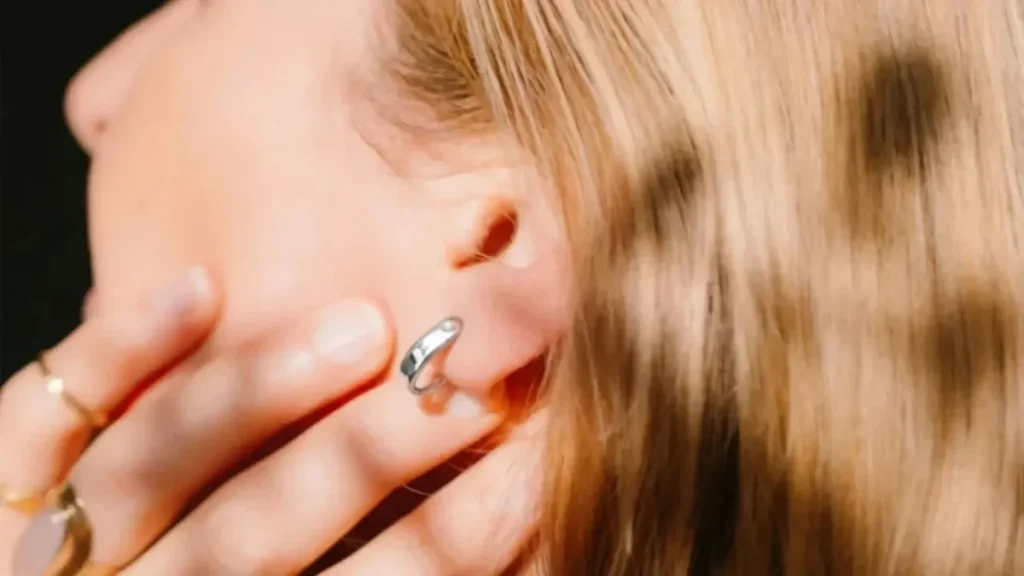
- Aesthetic Materials: These aren’t clunky plastic clip-ons that scream “tech nerd.” They are crafted from premium materials like gold, silver, and titanium. They look exactly like high-end jewelry, completely masking the advanced micro-sensors inside.
- Marathon Battery Life: One single charge gives you a full week of continuous use. No more taking your watch off every night to charge it.
- Advanced HRV Tracking: Heart Rate Variability (HRV) is the gold standard for measuring your body’s stress levels and nervous system recovery. The Lumia 2 quietly logs this throughout the day, sending a comprehensive map of your stress straight to your phone.
You can even customize how often the device pings for data, allowing you to build a highly personalized, granular health profile over time. Honestly, wearing a heavy watch to bed has always bothered me. Something as light as a titanium earring that tracks my sleep cycles without me even noticing its existence? That’s a game-changer for anyone trying to optimize their rest without compromising their comfort.
Data Privacy and The Price of Admission
With a device this intimate, collecting your most personal biological data 24/7, privacy is the massive elephant in the room.
Daniel Lee, the founder of Lumia Health, recently addressed this, noting that his motivation for the project was highly personal and that the company claims a strict stance on data security. Your biometric information is heavily encrypted, and you have the option to keep your profile completely anonymous. According to the brand, the data is only shared with secure, highly regulated servers strictly for storage purposes.
Now, let’s talk about the investment.
- Hardware Cost: The Lumia 2 is slated to hit retail shelves in December 2026 with an initial price tag of $249.
- The Subscription Catch: To unlock the full power of the mobile app and deep analytics, there is an ongoing $20 monthly subscription fee.
This subscription model is quickly becoming the frustrating standard in wearable tech, but it’s definitely something you need to factor into the long-term cost before taking the plunge.
The Future is Wearable, Yet Unseen
We are moving into a fascinating era where technology doesn’t look like technology anymore. The line between high fashion and bio-hacking is rapidly blurring, and the Lumia 2 is leading the charge. It represents a subtle shift toward a practical transhumanism—where our bodies are continuously monitored and optimized by powerful devices that seamlessly blend into our personal style.
I’m seriously considering ditching my smartwatch for a pair of these when they finally drop. The idea of getting hyper-accurate health data without feeling like I’m wearing a miniature smartphone on my arm appeals to me deeply.
But I want to turn this over to you, Spartans. Are we truly ready to move our tech from our wrists to our ears? Would you pay a monthly subscription for a piece of jewelry that tracks your every heartbeat, or does a device that intimate feel a little too invasive for your daily routine? Let me know what you think down in the comments!
You Might Also Like;
- The 10 Best Sci-Fi Shows on Netflix: A Deep Dive into Tomorrow
- The Unthinkable Happened: Why MicroStrategy Just Sold Bitcoin
- Nvidia Isaac GR00T: The Open-Source Humanoid Robot Revolution
-

-
-

-

-

-

-

-

-

-

-

-