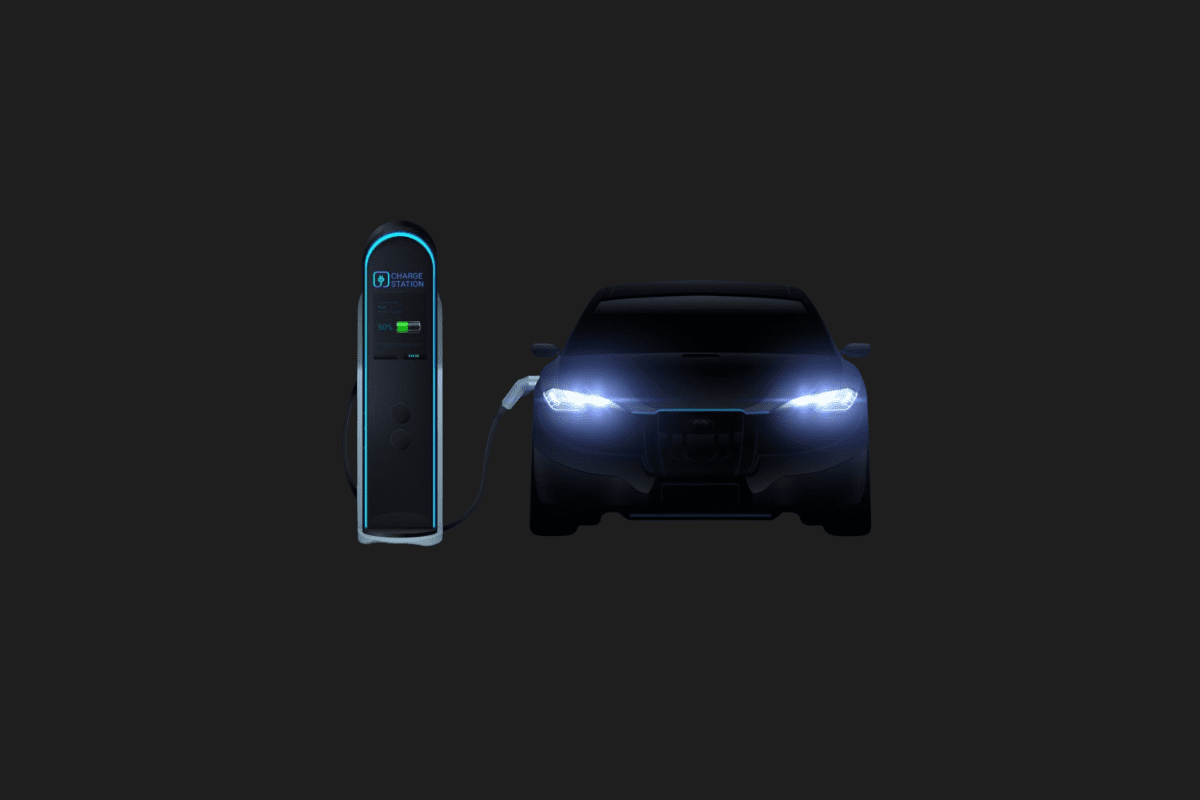
I have to admit, as much as I love the silent torque and the tech-heavy cabins of modern EVs, I’ve always had this nagging “battery anxiety” in the back of my mind. Not just range anxiety—I’m talking about degradation anxiety. We’ve all seen what happens to our smartphones after two years of fast charging; the battery just gives up.
When I saw the latest research coming out of Chalmers University of Technology in Sweden, I realized we might finally be looking at the solution. They aren’t just making batteries bigger; they are making them smarter. By integrating AI directly into the charging process, they’ve managed to extend battery life by a staggering 23%.
Let’s break down why this is a massive deal and how the chemistry of your car is about to get a “brain.”
The Hidden Enemy: What is Lithium Plating?

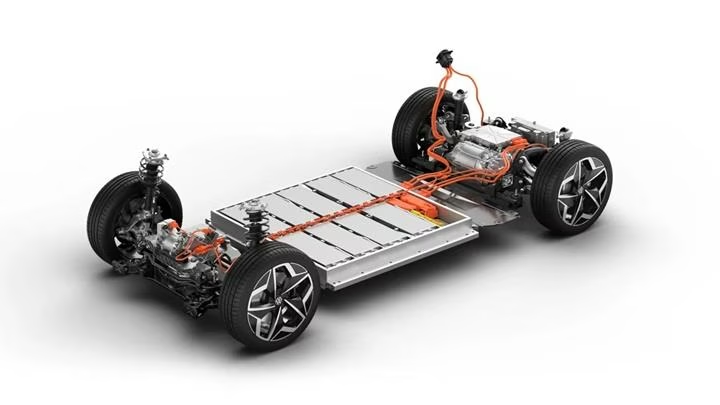
To understand the breakthrough, I had to look at what actually kills a battery during fast charging. When you pump high-voltage electricity into a battery quickly, the lithium ions sometimes can’t “soak” into the anode fast enough.
Instead of moving into the right place, they build up on the surface. Engineers call this lithium plating.
- It reduces the battery’s capacity.
- It creates internal resistance.
- In worst-case scenarios, it can lead to short circuits.
Standard Charging Management Systems (BMS) are usually “dumb”—they follow a pre-set curve. They don’t care if the battery is two years old or brand new; they just push the power. That’s where the Swedish team changed the game.
AI as a “Personal Trainer” for Your Battery


The researchers, Meng Yuan and Changfu Zou, didn’t just write a simple script. They used something called Reinforcement Learning (RL).
I like to think of this AI as a personal trainer that watches every single breath the battery takes. Instead of a fixed charging speed, the AI dynamically adjusts the current based on the real-time health and chemistry of the cells.
Here is what makes it different:
- Dynamic Optimization: The AI monitors the state of the anode and cathode constantly.
- Aging Awareness: As the battery gets older, the AI recognizes the wear and tear and adjusts the voltage levels to minimize further damage.
- No Speed Sacrifice: Usually, to save a battery, you have to charge it slower. The researchers claim this system achieves the life extension without increasing charging time.
Doing the Math: What Does 23% Actually Mean?


I did some quick calculations based on current industry standards to see how this impacts a real-world user. Let’s take a high-end EV like a Tesla or a long-range Hyundai:
| Metric | Standard Battery | AI-Optimized Battery |
| Typical Lifespan | ~500,000 km | ~615,000 km |
| Full Charge Cycles | ~570 Cycles | ~703 Cycles |
| Extra Distance | – | +115,000 km |
Think about that. That’s an extra 115,000 kilometers of life. For most drivers, that’s an additional 5 to 7 years of usage before the battery needs replacing. This doesn’t just save the owner money; it massively increases the resale value of used EVs, which is currently a major pain point in the market.
My Take: Is This the End of the “Battery Fear”?
While I’m incredibly excited, I have to stay grounded. This research was conducted in a laboratory setting. As I’ve learned from years of following tech, what works in a controlled lab in Sweden doesn’t always translate perfectly to a heatwave in Arizona or a freezing winter in Istanbul.
However, the fact that this is a software-based solution is the real “win.” Manufacturers wouldn’t necessarily need to invent a new battery chemistry (which takes decades). They could potentially implement these AI-driven charging algorithms through Over-the-Air (OTA) updates.
Imagine waking up to a software update that suddenly makes your car last five years longer. That is the power of AI that I actually care about.
What do you think? Would you trust an AI to manage your car’s “heart” if it meant keeping it on the road for an extra 100k kilometers, or are you still worried about the long-term reliability of these systems?
You Might Also Like;
- Google Unveils Pics: The Canva Killer Built Directly into Workspace
- Turning Your Real Neighborhood Into a Video Game
- Android Halo: Tracking AI Agents in Real Time
-

-

-
-

-

-
-
-

-
-

-

-