
I opened an old digital wallet of mine the other day. It was like walking into a haunted house.
There, sitting in the dusty corners of the blockchain, were tokens I had completely forgotten about. Projects that promised to “change the world,” “revolutionize finance,” or simply “go to the moon.” Now? They are worth absolutely nothing. Zero.
I’m not alone in this. If you have been in the crypto space for more than a few years, you are probably holding a digital bag of ghosts, too.
Recent data has confirmed what many of us suspected but were too afraid to admit: The crypto graveyard is expanding at a terrifying rate. It turns out that creating a digital currency is easy, but keeping it alive is harder than keeping a houseplant alive in a dark room.
Let’s dive into the anatomy of a dead coin, why 2025 became the year of the “mass extinction,” and what this means for your portfolio.
What Does a “Dead” Coin Look Like?
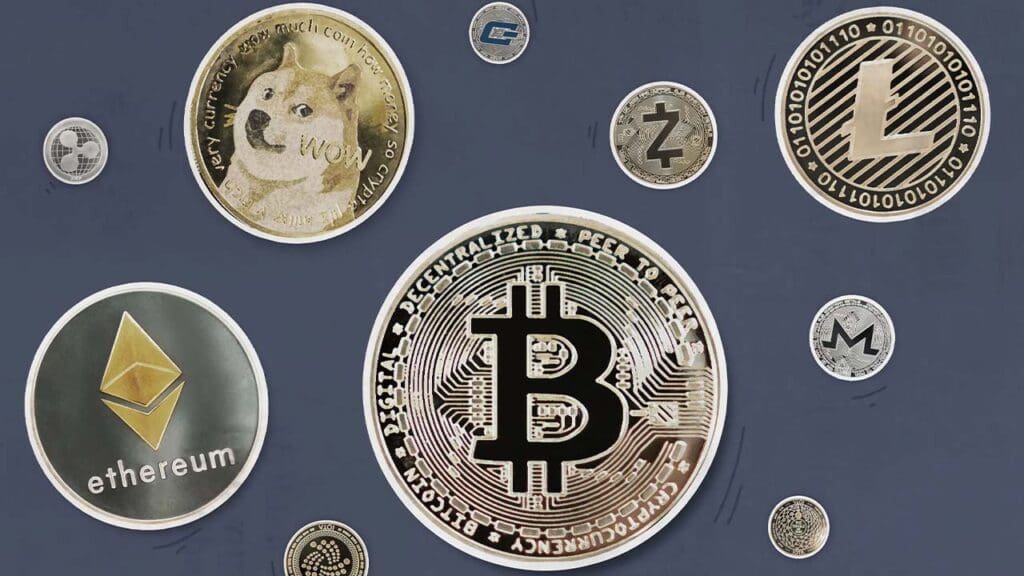
When we talk about a company going bust, we imagine a “Closed” sign on the door. But in the blockchain world, death is stranger.


A cryptocurrency doesn’t physically disappear. The code still exists. The blockchain might even still be running. You can technically send the token from Wallet A to Wallet B. But it is economically dead.
The Golden Rule of Economics:
If nobody wants it, it doesn’t matter if it exists. It is dead.
The most famous example of this is TerraUSD and its sibling Luna. I remember the chaos when that ecosystem collapsed. It was supposed to be a stable giant, pegged to the dollar. In the span of a week, it became the financial equivalent of a nuclear wasteland.
Even though “Luna Classic” still exists and people still trade it like a lottery ticket, the original vision is gone. It’s a zombie. It walks, but there is no soul inside.
The Shocking Statistics of the 2025 “Purge”

I was reading a report by CoinGecko this morning, and the numbers made my jaw drop.
Since 2021, nearly 20.2 million tokens have launched on various networks. That number alone is insane. But here is the kicker: More than half of them (53.2%) are now dead.
Let that sink in. If you picked a random new crypto project in the last few years and threw money at it, you had a worse-than-a-coin-flip chance of seeing that project survive.
The data suggests that the last year was particularly brutal. It wasn’t just a bear market; it was a cleanup crew sweeping away millions of useless projects.
The Culprit: The “Memecoin” Factory

Why is the death rate so high? Is the technology failing? No. The barrier to entry has just disappeared.
I blame platforms like Pump.fun.
Don’t get me wrong, I love innovation. But these platforms turned token creation into a joke—literally. They made it possible to launch a new cryptocurrency in seconds for the price of a sandwich.
The result? A flood of garbage.
- We saw tokens created because a lawyer drank alcohol on a live stream.
- We saw tokens created for viral TikTok trends that lasted 48 hours.
- We saw tokens created just because someone was bored.
It turned the market into a casino where the slot machines were rigged to break after one spin. These “memecoins” don’t have roadmaps, developers, or utility. They are born from a joke, and when the laughter stops, the token dies.
The Anatomy of a Silent Death

Unlike the spectacular crash of TerraUSD, most of these coins don’t go out with a bang. They go out with a whimper.
Here is the typical lifecycle I’ve observed:
- The Hype: A token launches. Influencers shill it. The price pumps.
- The Stall: The joke gets old. The “community” moves to the next shiny object.
- The Freeze: Liquidity dries up. You try to sell, but there are no buyers.
- The Ghost Town: The Twitter account stops posting. The Telegram group fills with spam bots.
It’s actually quite sad. Every one of those “dead” coins in the graveyard represents real money. Someone, somewhere, bought that token hoping for a miracle. Maybe they were scammed, or maybe they just wanted to be part of the joke. But now, they are left holding a cryptographic string of numbers that validates nothing but their own loss.
My Take: The Market is Healing

This might sound harsh, but I think this “extinction event” is actually good for the industry.
We cannot build a future financial system on jokes and “pump and dump” schemes. The fact that 50% of tokens are dying shows that the market is efficient. It is rejecting the noise.
As we move forward, I believe (and hope) that investors will become pickier. The era of “throwing money at anything with a funny dog logo” needs to end. We need to focus on utility, infrastructure, and real-world value.
The survivors of this purge will be the giants of the next decade.
I want to know your story: Have you ever checked an old wallet and found a “zombie” coin? What was the most ridiculous token you ever bought that is now worth zero?
Tell me your “crypto graveyard” stories in the comments!
You Might Also Like;