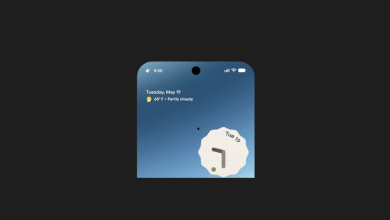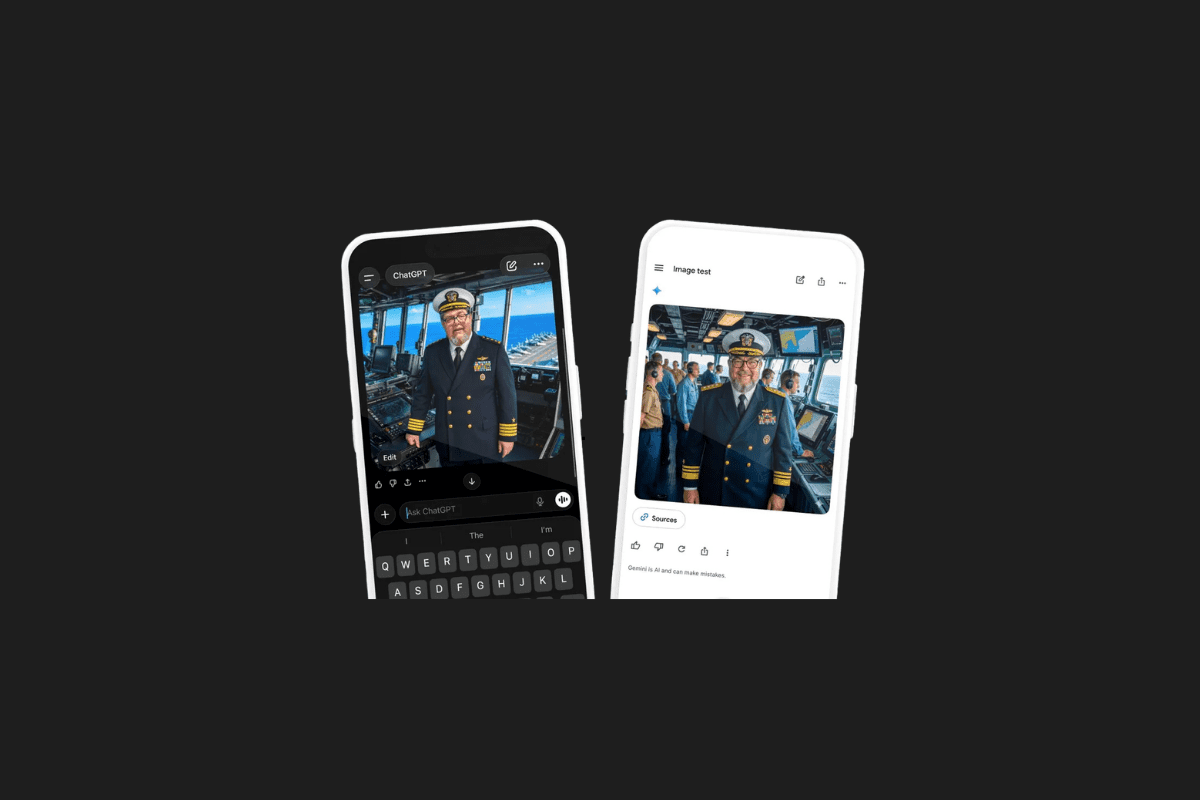
OpenAI has officially unveiled the ChatGPT Images 2.0 model. The next-generation image generation tool stands out with enhanced accuracy, multi-language support, breathtaking photorealism, and a brand-new “thinking” feature. This model brings powerful innovations designed for both individual creators and professional workflows.
The era of AI image generation simply “making pretty pictures” has long passed. With ChatGPT Images 2.0, OpenAI is aggressively re-entering the AI image generation race. Visuals are now a precise language of expression—allowing users to create content that doesn’t just look good, but explains, teaches, and presents complex ideas.
Moreover, this new iteration is significantly “smarter” than its predecessors. It doesn’t just process your prompt; it analyzes it, fills in logical gaps, and delivers a directly usable result. The days of “roughly correct” are over; the era of “spot-on” visuals has officially begun.
Key Features & Major Upgrades

Pinpoint Accuracy
The biggest leap in ChatGPT Images 2.0 is undeniably its precision. The model understands and executes complex instructions far better than before.
- Details Matter: Significant improvements have been made in traditionally problematic areas like small text, icons, and UI details.
- Professional Grade: Instead of settling for “passable,” users now receive assets that can be dropped straight into a project. On the API side, support for up to 2K resolution elevates the output to a professional standard.
Natural Multi-Language Support
One of the most striking developments is the model’s linguistic capability. It is no longer restricted to English; it performs exceptionally well with languages like Japanese, Korean, Chinese, and Turkish.
- Native Typography: This isn’t mere translation. The text rendered within the image looks entirely natural and blends seamlessly with the design. Typography on posters, banners, and infographics no longer suffers from that “artificial” look.
Unprecedented Photorealism
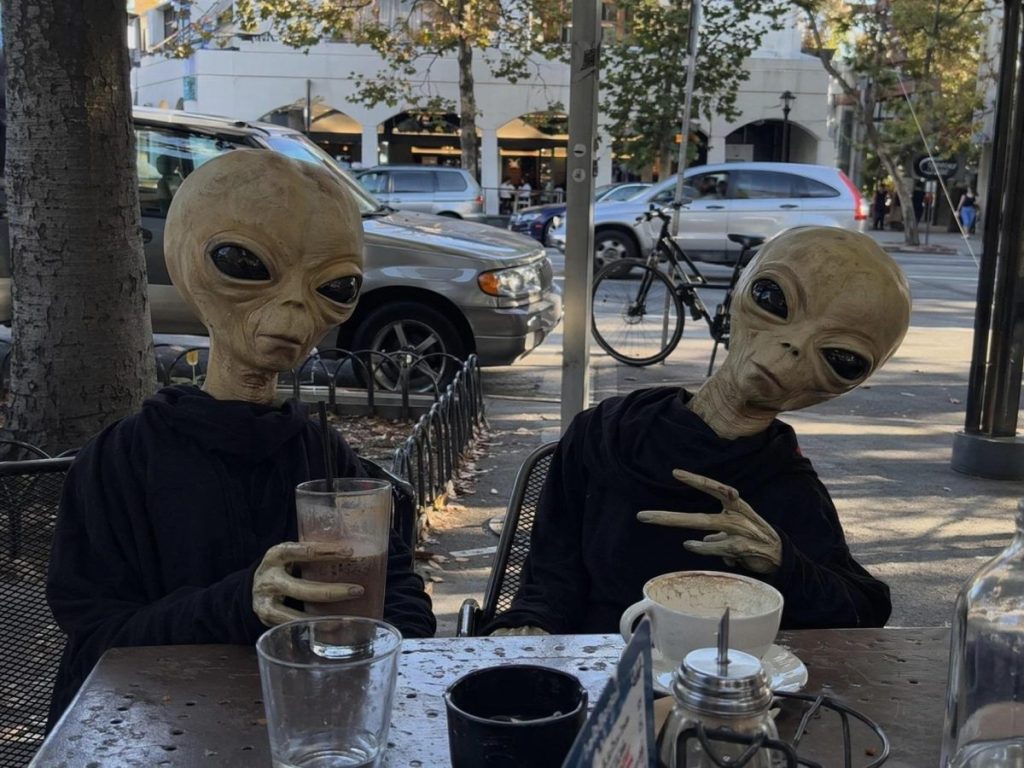
The level of photorealism achieved by the new model makes it increasingly difficult to distinguish its outputs from real photography. By incorporating minor, natural imperfections, accurate lighting details, and realistic textures, the model produces highly authentic visuals—a massive advantage for advertising and social media campaigns.
Versatile and Consistent Styling
ChatGPT Images 2.0 isn’t locked into a single aesthetic. It is highly capable across a broad spectrum of styles, from pixel art to manga. Most importantly, it maintains style consistency. You won’t experience visual disconnects between different images generated for the same project, which is crucial for maintaining brand identity.
Tailored for Every Platform
Aspect ratio support has seen a major overhaul. Whether you need a horizontal banner or a vertical mobile screen layout, the model can generate visuals ranging from 3:1 down to 1:3. This flexibility makes it incredibly easy to create custom-tailored content for social media feeds, presentations, or printed posters.
Updated Knowledge Base
Equipped with up-to-date knowledge up to December 2025, the model brings a new level of accuracy to informational graphics. When creating educational content, explanatory diagrams, or summary charts, the data represented is both visually appealing and factually relevant.
The “Thinking” Model: Your New Design Partner

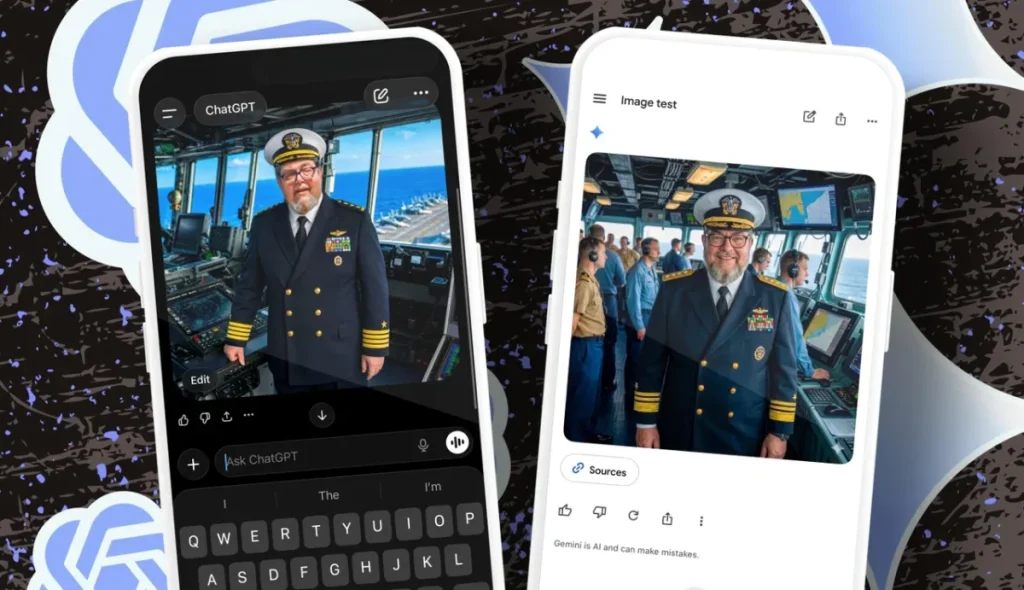
When the new “thinking model” mode is activated, the workflow transforms entirely. The AI can conduct its own research, analyze the context of your request, and meticulously plan the visual before generating it.
- Serial Production: With a single prompt, it can generate up to 8 different images that are visually and thematically consistent with one another, offering incredible convenience for bulk content creation.
Seamless Integration & Development

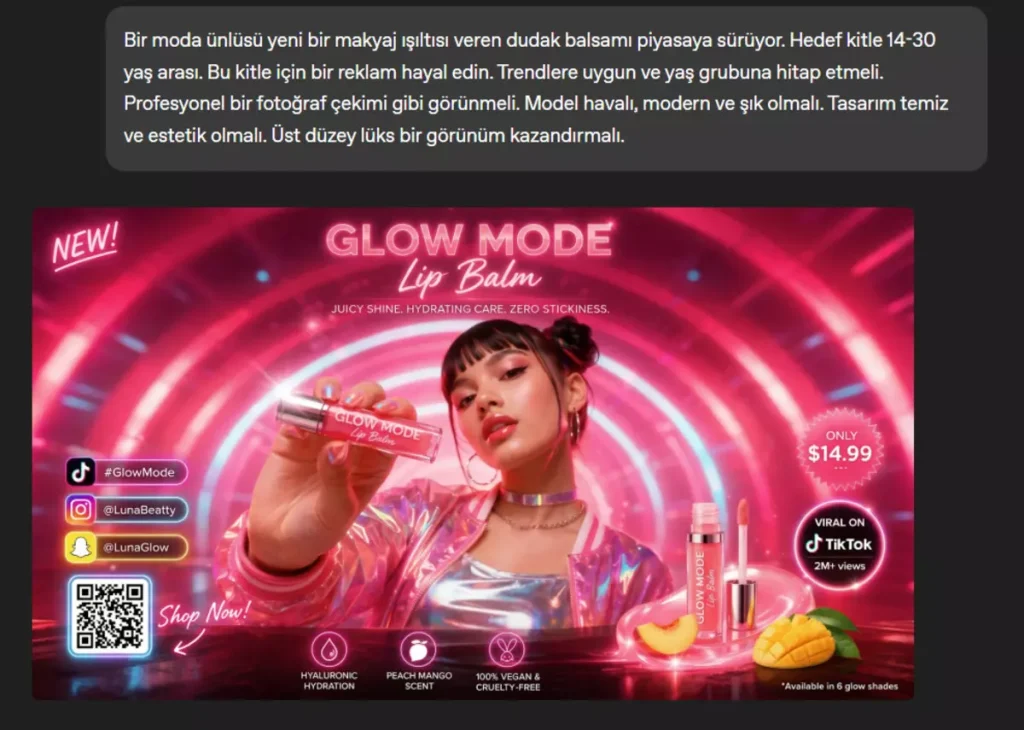
- Codex Integration: Visual generation is now deeply embedded into the software development lifecycle. UI designs, rapid prototypes, and creative concepts can be generated on the same platform where you code, allowing developers to turn a visual concept into a working product much faster.
- API Accessibility: The newly released
gpt-image-2model allows developers to integrate this cutting-edge technology directly into their own applications. Whether for ad-tech tools, educational platforms, or design software, the API’s multi-language support and advanced text rendering provide a serious competitive edge.
It Isn’t Flawless (Yet)

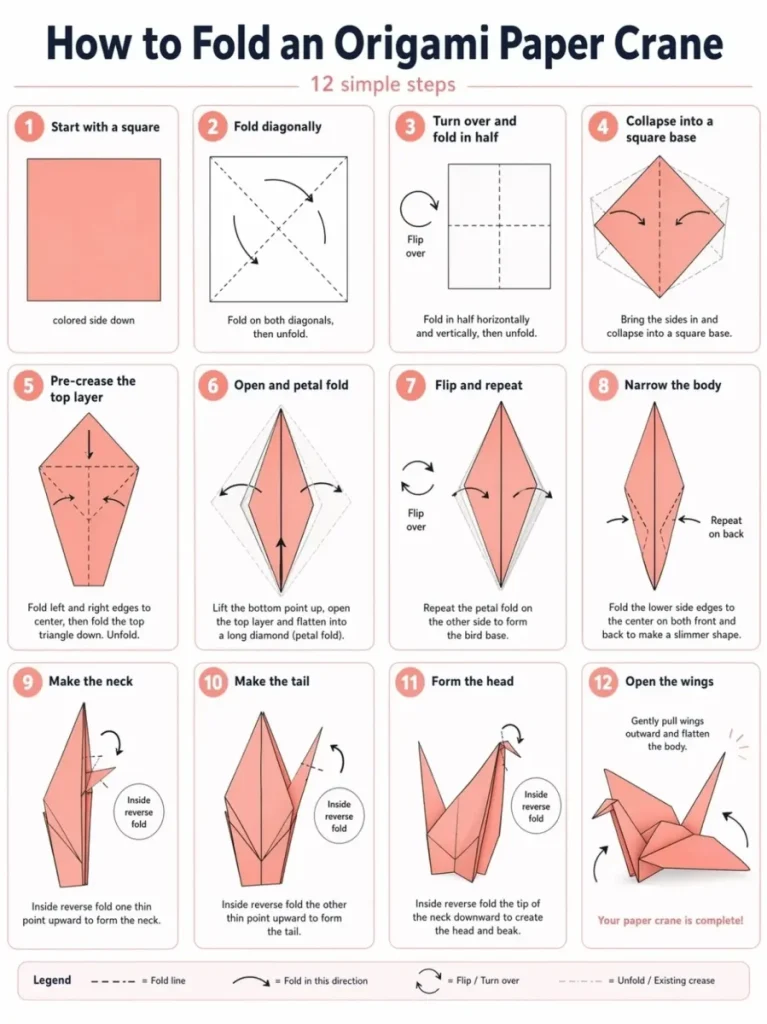
While highly advanced, the model still has limitations:
- It struggles with perfectly modeling complex real-world physics.
- Highly intricate schematics (like precise origami folding steps) or complex 3D structures (like a fully solvable Rubik’s cube) can still trip it up.
- Extremely dense diagrams may contain minor structural errors, meaning human oversight is still necessary for highly technical outputs.
Pricing and Availability
- General Access: ChatGPT Images 2.0 is currently rolling out to all ChatGPT and Codex users.
- Premium Features: The advanced “thinking” capabilities are strictly reserved for Plus, Pro, and Business subscribers.
- API Pricing: The
gpt-image-2API features variable pricing based on the requested quality and resolution. Note that image generation at resolutions of 2K and above is currently in the beta phase.
You Might Also Like;
- Unmasking the Sky: The Bizarre Science of UFOs and Weather Balloons
- Alien: Isolation 2 is Officially Announced: Why I am Thrilled (and Terrified)
- Chasing the Ultimate Power Source: The World’s Largest Private Laser Fires Up for Commercial Fusion
-
-
-
-
-

-

-

-
-

-

-
-