Valve introduces new VR headset Steam Frame: Here are its features

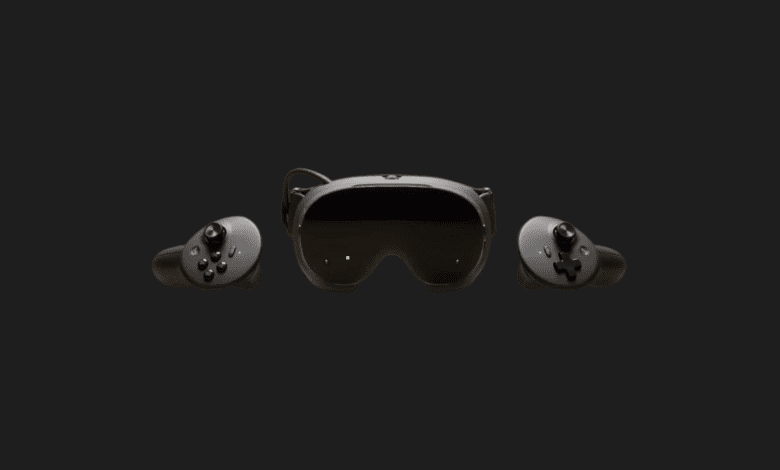

After a long hiatus, Valve has introduced its new VR headset. The device, named Steam Frame, which can also operate as a standalone unit, promises an advanced VR gaming experience.
After making a strong return to the hardware market with the Steam Deck and its OLED model, Valve is now returning to the virtual reality space with its new headset, Steam Frame.
Alongside the VR headset, the company also introduced the new Steam Controller and a desktop computer called the Steam Machine. All three products are set to release in early 2026, but Valve has not yet announced pricing or specific release dates. Pre-release kits of the Steam Frame have begun shipping to developers.
What does Steam Frame offer?

Valve is positioning the fully wireless Steam Frame as a game-streaming-first device. As soon as you put on the headset, you can instantly jump into games from a PC or Steam Machine. A special wireless adapter operating on the 6 GHz band has been developed for this. The adapter uses a dual-radio system to reduce interference: one is dedicated to video and audio transmission, the other to the Wi-Fi connection.
You don’t need to be connected to a PC to use Steam Frame. Similar to Meta Quest models, the device can also run games standalone. The headset features a Snapdragon 8 Gen 3 processor, 16 GB of RAM, and up to 1 TB of UFS storage. It also includes a microSD card slot, Wi-Fi 7, and Bluetooth 5.3 support. It uses SteamOS as its operating system.
Valve will also launch a new verification system called “Steam Frame Verified,” so users can easily see which games run standalone on the headset. The device also supports Android games. The goal is to bring games and experiences developed for Android-based headsets, like Meta Quest, to Steam.


Steam Frame is powered by a 21.6 Wh lithium-ion battery. There is a single USB-C 2.0 port on the back for charging and data transfer, supporting 45W fast charging. The battery is located in the back of the device’s headband. This eliminates the need to carry an external battery connected by a cable. This headband can be swapped with a larger battery version if desired. Despite all this, the headset weighs only 440 grams. The front module (optical part) is 185 grams, and the headband is 245 grams.
Valve has developed a new image optimization system called Foveated Streaming. This system uses data from eye-tracking cameras to apply more detail to the area being looked at. Valve claims this technology can increase image quality and bandwidth efficiency by up to 10 times. This feature works on all games in the Steam library.
The headset features two LCD panels, each with a 2160 x 2160 pixel resolution. The panels offer a 144 Hz refresh rate and a 110-degree field of view. The interpupillary distance (IPD) is adjustable between 60 mm–70 mm. Thanks to the new “pancake lens” design, the image remains sharp to the edges.

On the audio side, the headset has dual stereo speakers. The speakers are positioned in opposite directions to reduce vibration, which helps the tracking system operate more stably.
The device uses four high-resolution monochrome cameras for both headset and controller tracking. Additionally, infrared LEDs facilitate tracking in dark environments. Video passthrough (monochrome passthrough) support is also available.
The Steam Frame controllers included with the headset feature 6-degree-of-freedom (6-DOF) tracking and IMU sensors. The controller design is like a pair of gamepads: D-pad, analog sticks, ABXY buttons, triggers, and shoulder buttons. Valve has used magnetic analog sticks that support capacitive finger tracking. Each controller runs for about 40 hours on a single AA battery. It can also be used with the new Steam Controller if desired.
Valve previously produced the Valve Index headset in 2019 and worked with HTC during the early days of the HTC Vive series. However, these devices did not reach as wide an audience as Meta’s Quest series or Sony’s PlayStation VR platform.
Still, Valve stands out as the studio that developed Half-Life: Alyx, considered the best game in VR history. Considering the success of SteamOS on the Steam Deck and the desire of other manufacturers to use this operating system on their own portable devices, the potential for Steam Frame to be a serious competitor to Meta Quest seems quite high.
You Might Also Like;