Ray-Ban Display International Launch Delayed: What Went Wrong?

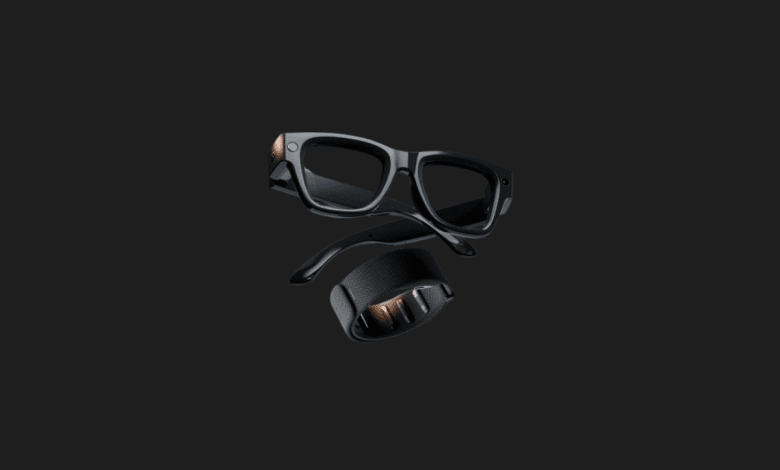

I have been following the evolution of smart glasses since the clunky days of Google Glass, waiting for that one product that finally blends style with serious tech. When the Ray-Ban Display was first teased, it felt like we were finally getting there. A heads-up display (HUD) that doesn’t make you look like a cyborg? Count me in.
But if you are living in the UK, France, Italy, or Canada, I have some disappointing news for you.
Meta dropped a bombshell announcement at CES this week: The international rollout is officially on hold.
I’ve been digging into the press releases and the murmurs from the tech floor, and honestly, this situation is more than just a shipping delay. It’s a fascinating look into how hard it actually is to mass-produce the future.
The “Velvet Rope” Strategy?

Meta’s official explanation is a classic: “Unexpectedly high demand and limited stock.”
They stated that while they re-evaluate their international strategy, they are circling the wagons to focus entirely on fulfilling orders in the United States. Originally, we were expecting these to land in Europe and Canada in early 2026. Now? There is no date. Just a “we’ll let you know.”

As a tech lover, I find this incredibly frustrating, but also telling.
- Is it poor planning? Perhaps.
- Is it manufacturing difficulty? Almost certainly.
- Is it marketing genius? Maybe.
By making the product scarce, Meta is inadvertently (or intentionally) making it the most coveted gadget of the year.
The Hunt: Buying One is a Mission

I looked into what it actually takes to buy a pair right now in the US, and it’s not as simple as clicking “Buy Now” on Amazon. It feels more like trying to get a reservation at a Michelin-star restaurant than buying consumer electronics.
Currently, the Ray-Ban Display is:
- Not sold online: You can’t just order it to your doorstep.
- In-Store Only: You have to physically visit specific retailers like Ray-Ban, Sunglass Hut, or Best Buy.
- Appointment Required: You can’t just walk in. You need to book a demo slot online.
And here is the kicker: Those demo slots are booked out weeks in advance.
This level of friction in the buying process tells me that yields on these displays are low. This isn’t just plastic and glass; it’s delicate projection technology. If they rush it and the quality drops, the product dies. Delaying the international launch is likely a desperate move to keep quality control from collapsing under the pressure.
Why We Are Willing to Wait (The Specs)

So, why are people jumping through hoops for this? Why am I still checking for updates every morning? Because the tech inside these frames is genuinely exciting.
At $799, it’s not cheap. But it’s the first device that effectively packages a HUD into a form factor people actually want to wear.
1. The HUD (Heads-Up Display)
Unlike previous “smart” glasses that were just cameras, the Ray-Ban Display actually puts information in your field of view. Directions, notifications, translation—it’s all there, floating in front of you.
2. The Neural Band Control
This is the feature that blew my mind. The glasses come with a wristband that detects neural signals from your brain to your fingers.
- No more awkwardly tapping the side of your head in public.
- You make tiny “micro-gestures” with your fingers to scroll or click.
- It feels like telepathy.
3. Audio and Connectivity
Meta didn’t skimp on the basics either. We are looking at Wi-Fi 6 support for blazing-fast data transfer, stereo speakers that direct sound straight into your ear, and a six-microphone array. This suggests they are doubling down on the AI voice assistant capabilities.
My Perspective: Is it Worth the Hype?
I’ve seen a lot of “vaporware” in this industry. Products that promise the world and deliver a buggy mess. The Ray-Ban Display delay makes me nervous, but it also gives me hope.
If Meta was just trying to make a quick buck, they would have shipped inferior units globally. The fact that they are halting expansion suggests they care about the experience. They know that if the HUD flickers or the Neural Band lags, users will reject it.
However, there is a risk. Tech moves fast. If this delay stretches too long, competitors like Snap or even Apple might swoop in.
For now, if you are outside the US, you are stuck in the waiting room. We have to watch the reviews roll in from across the ocean and wonder if the reality matches the marketing.
Final Thoughts
The Ray-Ban Display represents a bridge between our phones and a fully AR future. It’s messy, it’s expensive, and right now, it’s impossible to get. But I can’t help but want one.
I will update this article the moment a new date for Europe and Canada is confirmed. Until then, stay tuned.
What do you think? Is this delay a dealbreaker for you, or does it make you want the glasses even more because they are so “exclusive”? Let me know in the comments below!
You Might Also Like;