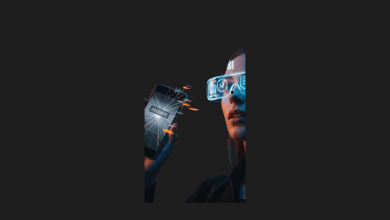

Google is officially stepping up its game in the spatial computing war. The tech giant has unveiled Android XR, a dedicated operating system designed specifically for Extended Reality (XR) headsets. But this isn’t just a boring software update—Google revealed a killer feature called “System Autospatialization” that promises to change how we consume content forever.
What Actually is Android XR?
Think of Android XR as the “Android for headsets.” Just as Android became the standard operating system for smartphones, Android XR aims to be the universal engine powering the next generation of VR, AR, and MR (Mixed Reality) devices.
Unlike Apple’s closed “Vision Pro” ecosystem, Android XR is an open platform. This means major hardware manufacturers—like Samsung—can build their own high-end headsets powered by Google’s software.
Key pillars of the platform include:
- Massive App Compatibility: It brings the entire Android ecosystem (Gmail, Maps, Photos, and millions of mobile apps) into the virtual world.
- Open Ecosystem: It gives users choice, allowing various brands to compete on hardware while running a unified, powerful OS.
The Game Changer: System Autospatialization
The most hype-worthy announcement for gamers and content consumers is the new “System Autospatialization” feature.
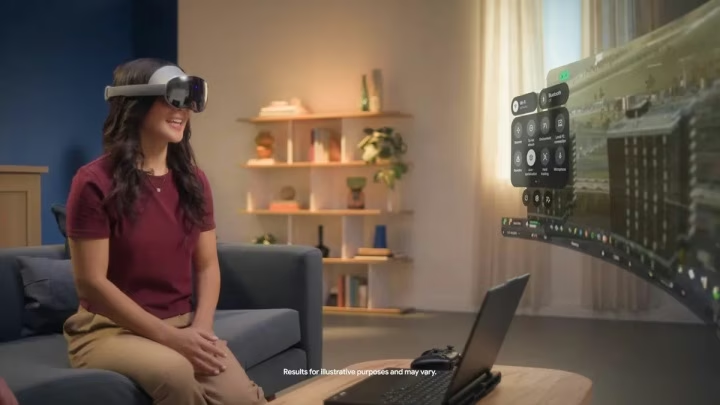
Google announced that Android XR can take standard 2D content from existing apps and transform it into 3D images in real-time. This creates a significantly more immersive experience without developers needing to rewrite their code.

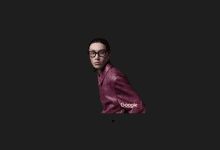
Because this feature runs at the operating system level, it works on almost everything. Whether you are scrolling through social media, watching YouTube videos, or playing standard mobile games, Android XR will be able to upscale that content into 3D. Google confirmed that the rollout for this feature will begin next year.
Next-Gen Control: Xreal Project Aura
The announcement also showcased live footage of Xreal Project Aura. Google demonstrated intuitive hand gestures to control virtual menus and launch applications seamlessly.
Additionally, Aura will function using a dedicated small controller device that doubles as a trackpad, giving users precise input options alongside gesture controls.
With Android XR, Google isn’t just porting phone apps to a face computer; they are bridging the gap between flat screens and the spatial web, making the transition seamless for gamers and general users alike.
You Might Also Like;