Sci-Fi Masterpieces That Bombed at the Box Office but Became Legends


Have you ever walked out of a movie theater completely blown away, only to find out the rest of the world completely ignored the film? I’ve been there more times than I can count. When it comes to science fiction, timing is a brutal master. Sometimes the audience just isn’t ready for a visionary concept, or a studio completely drops the ball on marketing.
The result? A massive box office flop.
But true quality has a funny way of surviving. Thanks to home video, streaming, and passionate word-of-mouth, many of these initial “failures” are now considered absolute pillars of the genre. I spent some time revisiting the history of sci-fi cinema, and it honestly blew my mind how some of my all-time favorite movies were initially considered financial disasters.
Let’s dive into five brilliant sci-fi movies that failed at the box office but eventually earned their rightful cult status.
1. The Thing: A Horror Classic Released at the Worst Possible Time
When John Carpenter released The Thing in 1982, it was a masterpiece of paranoia, isolation, and groundbreaking practical effects. Starring Kurt Russell, the story of an alien entity perfectly imitating its victims in an isolated Antarctic research base is, in my opinion, one of the greatest tension-builders in cinema history.
So, why did it fail so miserably in theaters?

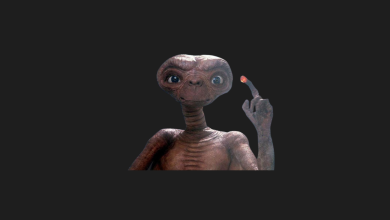
- The E.T. Factor: It came out exactly two weeks after Steven Spielberg’s E.T. the Extra-Terrestrial.
- A Shift in Tone: Audiences in the summer of ’82 wanted friendly, heartwarming, Reese’s Pieces-eating aliens. They did not want a dark, cynical, horrifying creature that ripped apart sled dogs.
- Critical Backlash: Believe it or not, critics at the time hated it, calling it overly gory and bleak.
My Take: I still get chills thinking about the iconic “blood test” scene. Today, it’s universally recognized not just as a sci-fi legend, but as the gold standard for practical effects.
2. Strange Days: A Tech Warning Ahead of Its Time
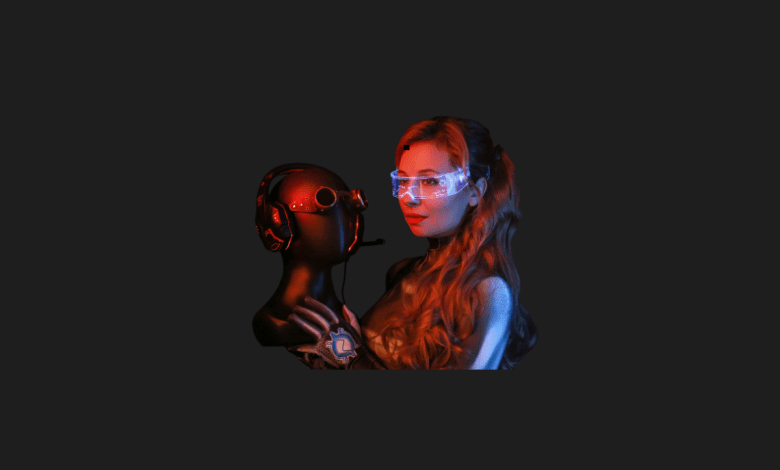
Directed by Kathryn Bigelow and written by James Cameron, Strange Days (1995) revolves around a controversial piece of black-market tech: a device that records human memories and emotions, allowing others to experience them firsthand.
Starring Ralph Fiennes and Angela Bassett, the film plunged into themes of voyeurism, police brutality, and technological addiction.
- Too Complex for the ’90s: The narrative was incredibly dense, and the concept of “virtual reality memories” was a bit too abstract for a mainstream 1995 audience.
- Financial Flop: It failed to recoup even a fraction of its budget, leaving the studio incredibly disappointed.
My Take: Watching it now is surreal. It practically predicted the ethical dilemmas we are currently having about VR, neural implants, and digital privacy. It laid the groundwork for the mind-bending concepts we’d later see in The Matrix and Minority Report.
3. The Iron Giant: A Massive Heart, Terrible Marketing
The Iron Giant (1999) is the beautiful story of a young boy in the 1950s who befriends a colossal, weaponized alien robot. Directed by Brad Bird (who later gave us The Incredibles), and featuring the voice of Vin Diesel as the Giant, it is a perfect movie.
Yet, it tanked. Hard.
- Studio Neglect: Warner Bros. had just suffered a massive flop with Quest for Camelot and essentially gave up on The Iron Giant before it even hit theaters.
- Invisible Promo: There were barely any trailers, posters, or tie-in toys. Families simply didn’t know it existed.
My Take: I genuinely believe this is one of the greatest animated films ever made. It’s emotionally devastating but incredibly uplifting. It found its audience entirely through DVD sales and TV broadcasts. “Superman…” still gets me every time.
4. Dredd: High-Octane Action Left in the Shadows
I will never forgive moviegoers for sleeping on Dredd (2012). Written by Alex Garland, this film threw us right into the gritty, hyper-violent dystopia of Mega-City One. Karl Urban plays Judge Dredd perfectly—he keeps the iconic helmet on the entire movie, respecting the source material.
- Marketing Mishaps: The promotion was weak, and the 3D gimmick it was pushed with alienated some viewers.
- Stallone Baggage: Many people associated it with the poorly received 1995 Sylvester Stallone version and decided to skip it.
My Take: It’s a masterclass in contained, relentless action. The “Slo-Mo” drug sequences are visually intoxicating. Once people finally rented it or found it on streaming, they realized it was exactly the unapologetic, hard-R comic book adaptation they had been craving.
5. Blade Runner 2049: A Visual Masterpiece That Asked Too Much
Denis Villeneuve’s Blade Runner 2049 (2017) had an impossible task: make a sequel to a 35-year-old cult classic. Starring Ryan Gosling and Harrison Ford, it dove deep into what it means to be human, wrapped in a neon-soaked, post-apocalyptic Los Angeles.
- The Runtime: Pushing nearly three hours, it was a slow-burn, atmospheric epic in an era of fast-paced superhero blockbusters.
- Vague Trailers: To avoid spoilers, the marketing team hid almost the entire plot, which left casual viewers confused about what the movie was actually about.
My Take: Every single frame of this movie could be printed and hung in a modern art gallery. It won Oscars for its breathtaking cinematography and visual effects, but its philosophical depth made it a tough sell for mass audiences looking for a quick thrill.
At the end of the day, these films prove one crucial point: Box office numbers measure popularity, not quality. Timing, marketing, and the cultural mood can make or break a movie’s opening weekend, but true art always finds its audience eventually.
I’m curious—which of these movies do you think deserved better at launch? Or better yet, what’s a massive box office flop that you personally consider a masterpiece? Let me know in the comments, I’d love to check out your recommendations!
You Might Also Like;