
I was staring at my screen this morning, nursing my first cup of coffee, when the Bloomberg notification popped up. It’s one of those headlines that makes you stop whatever you are doing and read it twice. Another massive wave of layoffs has hit the tech industry, and this time, the epicenter is Meta.
I’ve been covering the tech space for years, and I’ve seen companies pivot, downsize, and restructure. But there is something distinctly unsettling about this specific move. Meta isn’t just trimming the fat because of a bad financial quarter; they are fundamentally rewiring their entire corporate DNA. They are laying off humans to buy servers. They are firing developers to fund artificial intelligence.
Let me break down exactly what happened, why it’s happening, and what this radical shift means for the future of the internet—and perhaps, the future of our own jobs.
The Cold, Hard Numbers: A Calculated Cleansing
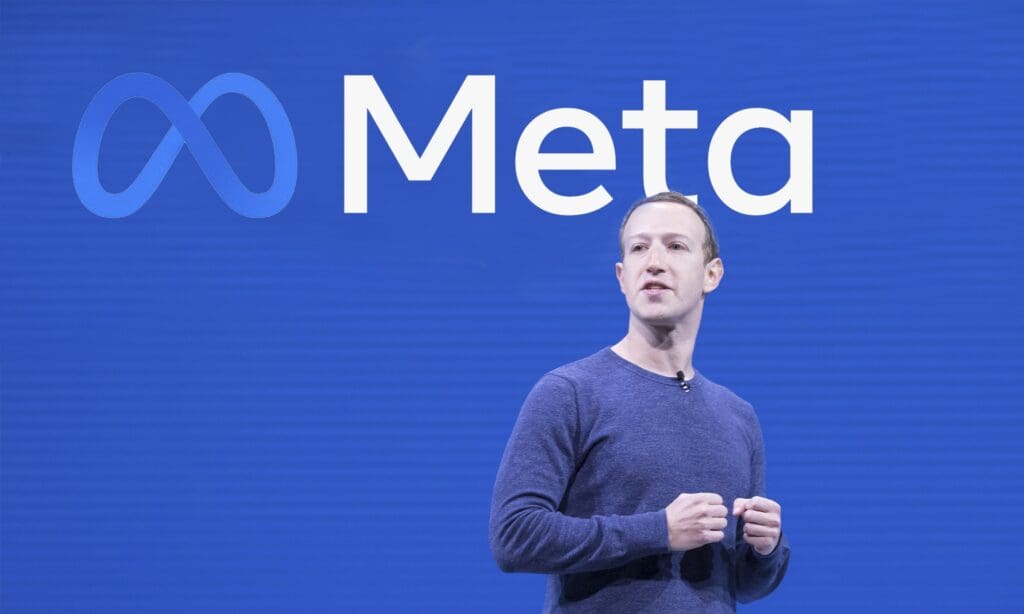
When we talk about “restructuring” in Silicon Valley, it usually involves vague corporate jargon. But the internal memo shared by Meta’s Head of Human Resources, Janelle Gale, was brutally clear. The core motivation is “efficiency” and “generating resources for new investments.”
Here is the stark reality of this latest operational shift:
- 8,000 people are losing their jobs: This represents roughly a 10% reduction in Meta’s total workforce. These aren’t just entry-level positions; these cuts are cutting deep into established teams.
- 6,000 open roles have been instantly canceled: If you were in the middle of interviewing for a job at Meta, that position simply no longer exists.
- 14,000 total roles wiped from the board: When you combine the layoffs with the canceled vacancies, you see the true scale of this maneuver.
I can’t help but think about the human cost here. Eight thousand incredibly talented individuals, people who helped build the platforms billions of us use daily, are now updating their resumes in an industry that is rapidly freezing human hiring to prioritize machine learning.

Feeding the Machine: Why AI is So Insanely Expensive
So, where is all this saved salary money actually going? The short answer is: Compute power. I’ve spent a lot of time digging into the economics of artificial intelligence, and it is a terrifyingly expensive game to play. Building world-class, proprietary AI models requires unimaginable amounts of capital. You need massive data centers, tens of thousands of specialized Nvidia GPUs, and the energy infrastructure to keep it all running.
Mark Zuckerberg is making a massive, all-in bet. He isn’t just looking to integrate a cute chatbot into WhatsApp or Instagram. Meta wants to own the underlying foundational models of the next computing era.
Here is what they are actively funding with the money saved from these layoffs:
- Next-Generation LLMs: Meta is pouring billions into training smarter, faster, and more capable open-source and proprietary language models.
- Smart Wearables: The push to make their smart glasses the ultimate AI-hardware interface is aggressive. They want the AI to see what you see and hear what you hear, requiring massive backend processing power.
- Algorithmic Automation: They are actively replacing human moderation, coding, and administrative tasks with the very AI they are building.
It is a fascinating, yet slightly dystopian cycle. It seems entirely plausible to me that Meta is now opening the door to a new era using AI models that were trained on the workflows, code, and data generated by the very employees they just let go.
The Fading Metaverse Dream?

As the writer behind a site literally called Metaverse Planet, this specific wave of layoffs hits a very specific nerve for me.
We have to look at the timeline. This isn’t an isolated incident. Reports from last March predicted a shrinkage of up to 20% across the company. But more importantly, look at how this year started. In early 2026, Meta quietly closed three major Virtual Reality (VR) studios and heavily pruned their Reality Labs division, laying off hundreds of hardware and spatial computing experts.
For years, Zuckerberg told us that the Metaverse was the inevitable future. He changed the name of his trillion-dollar company to reflect that absolute certainty. But watching these moves, I have to ask myself: Is the Metaverse dream dead, or just on pause?
From my perspective, the priorities have definitively shifted. The grand vision of us all hanging out in immersive, 3D digital avatars has taken a back seat. The immediate, urgent, and hyper-competitive battleground is AI. Artificial intelligence isn’t an abstract concept waiting for consumer adoption; it is seeping into every aspect of our lives right now. Meta realized that if they lose the AI race today, there won’t be a company left to build the Metaverse tomorrow.
They are pivoting from building a virtual world you step into, to building an invisible intelligence that lives around you.
The Automation Paradox: Are We Architecting Our Own Replacements?
This brings me to the philosophical core of what I think is really happening here. We are witnessing the first major “AI Earthquake.”
For the past decade, the tech worker was the most prized asset in the global economy. Companies offered free massages, gourmet cafeterias, and massive stock options just to keep software engineers happy. But the math has changed. If an advanced AI model can write code, debug software, generate marketing copy, and manage ad campaigns at a fraction of the cost of a human team, corporate boards will always choose the algorithm.
I am a massive tech enthusiast. I love seeing the boundaries of human innovation pushed forward. When I test a new AI model that can generate a stunning video from a text prompt or translate complex code in seconds, I am genuinely in awe. But I am also a realist.
When a company as profitable and powerful as Meta decides that 8,000 humans are less valuable than the servers required to train a neural network, it sends a chilling signal to every other boardroom on earth. It reignites the debate we’ve been whispering about for years: Is human labor becoming obsolete in the knowledge economy?
My Final Thoughts
I honestly didn’t expect the transition to be this sharp or this ruthless. I thought AI would be a co-pilot, a tool to make workers more productive, rather than a direct replacement that triggers mass layoffs.
Meta is leaner now. They are aggressively focused, hyper-efficient, and armed with billions of dollars previously allocated to payroll, ready to dump into the AI arms race. They might build the most incredible technology the world has ever seen in the next few years. But as I sit here looking at the news, I can’t shake the feeling that the tech industry has permanently crossed a threshold. The golden age of the tech worker might be ending, making way for the age of the algorithm.
I’m really curious to know how you are reading this situation. Do you think Meta is just making a necessary, painful business decision to survive the AI revolution, or are we watching the beginning of a terrifying trend where companies systematically replace human creativity with cold, hard code? Let me know your thoughts in the comments below!
You Might Also Like;