
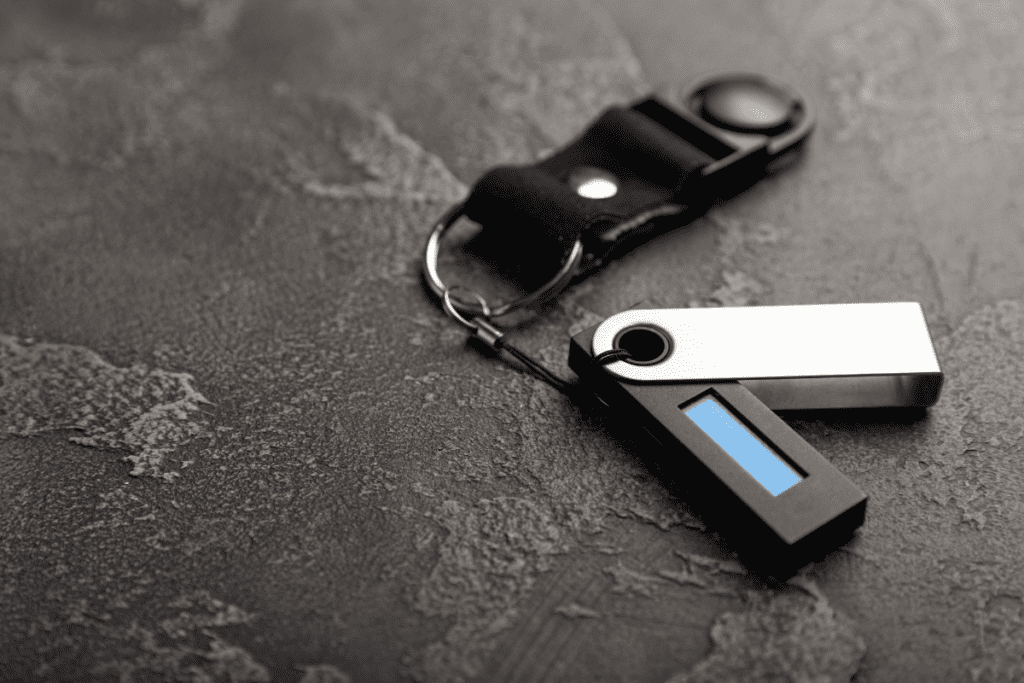
Imagine staring at a small, unassuming USB drive sitting on your desk. It looks like a piece of junk you might find at the bottom of a drawer. But inside, there is a digital fortress holding a fortune that could change the fate of generations. There is just one problem: You have forgotten the password.
This isn’t the plot of a cyberpunk thriller; it is the agonizing reality of Stefan Thomas, a San Francisco-based programmer. His story has been circulating the internet again recently, and every time I read it, I get a knot in my stomach.
Thomas is sitting on an encrypted hard drive containing 7,002 Bitcoins. At today’s market rates, that stash is worth approximately $600 million. But here is the terrifying catch that keeps the crypto world on the edge of its seat: He has a maximum of ten attempts to guess the password.
He has already used eight.
The Origins of a Digital Tragedy

To understand how someone loses half a billion dollars, we have to rewind to 2011. Back then, Bitcoin wasn’t the financial titan it is today; it was an experimental currency discussed by geeks in obscure forums.
Stefan Thomas, being an early enthusiast, created an animated educational video titled “What is Bitcoin?”. As a reward for his work, he was paid 7,002 BTC. At the time, the coins were worth just a few dollars each. It was nice pocket money, but nothing life-changing.


He did what any security-conscious person would do:
- He stored the private keys on an IronKey (a military-grade encrypted USB drive).
- He wrote the password on a piece of paper.
And then, life happened. He lost the paper. For years, it didn’t matter much. But as Bitcoin climbed from $10 to $1,000, then to $20,000, and eventually to its dizzying current heights, that USB drive transformed from a piece of plastic into the most expensive lottery ticket in history.
The IronKey: A Fortress Without a Back Door

You might be asking, “Ugu, why can’t he just take it to a computer genius to crack it?”
That is where the hardware comes in. The IronKey is not your standard USB stick. It is designed specifically to thwart hackers and brute-force attacks.
Here is the brutal mechanism Thomas is up against:
- Limited Attempts: The device allows only 10 password guesses.
- The Nuclear Option: After the 10th incorrect guess, the device’s internal circuitry is designed to permanently encrypt or wipe the data.
Thomas has already tried his eight most likely passwords. None of them worked. He is now standing on a precipice. He has two attempts left. If he gets it wrong two more times, $600 million vanishes into the digital void forever.
Note: This highlights the double-edged sword of crypto security. The very encryption that protects your assets from thieves can also lock you out of your own fortune if you aren’t careful.
The Psychology of Losing Millions

I can’t even imagine the psychological toll this would take on a person. For years, Thomas lay awake at night, running through password combinations in his head, desperate for a breakthrough. It’s a unique kind of torture—the wealth is right there, physically in his hand, yet completely unreachable.
However, in a recent interview with the New York Times, Thomas revealed a surprising shift in his mindset. He seems to have reached a state of stoic acceptance.
“Time heals all wounds,” he said. “I’ve made peace with it.”
It seems he has decided that for the sake of his mental sanity, he has to let go. He has even placed the IronKey in a secure facility to remove the temptation of using those final two guesses in a moment of panic.
There are, of course, external pressures. Groups like Unciphered (a crypto recovery firm) have publicly claimed they have the technology to crack the IronKey without triggering the data wipe. But so far, Thomas has been hesitant, citing security risks and handshake agreements he has already made with other parties.
The “Lost Coins” Phenomenon

Stefan Thomas’s story is the most famous example, but he is far from alone. This situation shines a spotlight on a massive, often ignored aspect of the crypto ecosystem.
According to data from Chainalysis:
- Approximately 20% of all Bitcoin currently in existence is lost or stranded in dormant wallets.
- That amounts to roughly $140 billion in inaccessible wealth.
In the traditional banking world, if you forget your PIN or lose your debit card, you call customer service. You verify your identity, and they reset it. In the world of decentralized finance (DeFi), there is no customer service.
The philosophy of “Be Your Own Bank” offers incredible financial freedom and privacy, but it comes with a heavy burden of responsibility. If you lose your keys, there is no central authority to save you.
What Can We Learn From This?
As I reflect on Thomas’s situation, I realize this is a wake-up call for all of us involved in digital assets, whether you have $100 or $100 million.
- Redundancy is Key: Never rely on a single piece of paper or a single memory. Use metal seed plates that withstand fire and flood.
- Legacy Planning: If something happens to you, does your family know how to access your assets?
- Digital Hygiene: Regularly check your backups.
Final Thoughts
Stefan Thomas is walking around with a GDP of a small country locked in a device the size of a thumb. Whether he ever decides to use those last two guesses remains one of the tech world’s greatest cliffhangers.
Part of me hopes he finds the password and writes the greatest comeback story in history. But another part of me respects his decision to simply walk away and choose his peace of mind over the chaos of fortune.
I have to ask you: If you were in Stefan’s shoes, would you risk the final two guesses right now, or would you wait for future technology to possibly find a backdoor?
You Might Also Like;