Recent data indicates that the world’s largest Ethereum whales are accumulating various metaverse coins. At Metaverseplanet.net, we have collated the details for a closer look at this trend.
Whales, or large-scale investors, are notably accumulating these metaverse coin projects. WhaleStats recently updated its list of the most purchased cryptocurrencies by whales in the past 24 hours.
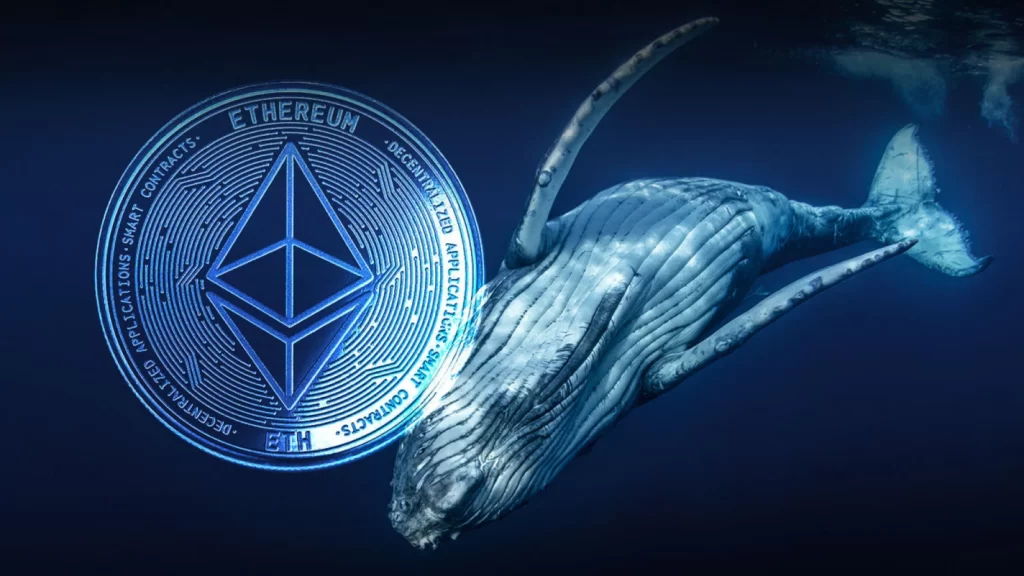
This list includes several altcoins, with a few metaverse coins catching attention.
The cryptocurrencies being stockpiled by these whales are:
- Ethereum (ETH): A decentralized, open-source blockchain platform that pioneered smart contract functionality. It allows developers to build and deploy decentralized applications (dApps). ETH is the native currency used to pay for transaction fees (known as “gas”) on the network.
- US Dollar Coin (USDC): A stablecoin pegged 1:1 to the US dollar. It is a digital token fully backed by reserved assets (like cash and U.S. Treasuries), designed to provide price stability and serve as a reliable bridge between traditional finance and the crypto world.
- Tether (USDT): The largest and most widely used stablecoin, also pegged 1:1 to the US dollar. Like USDC, it provides liquidity and a stable store of value for traders, allowing them to move in and out of more volatile cryptocurrencies.
- Gala (GALA): The main utility token for the Gala Games ecosystem, a blockchain-based platform focused on “play-to-earn” (P2E) games. GALA is used for in-game purchases, peer-to-peer payments, and rewarding network node operators.
- Polygon (MATIC): A “Layer 2” scaling platform for Ethereum. It aims to improve the speed and reduce the cost of transactions on the Ethereum network by using sidechains and other scaling solutions. The MATIC token is used for paying transaction fees, network security (staking), and governance.
- Quant (QNT): A project focused on interoperability, aiming to connect different blockchains and enterprise software. Its core technology, Overledger, is designed to allow applications to function across multiple blockchains (e.g., Bitcoin, Ethereum, and private chains) simultaneously.
- Chainlink (LINK): A decentralized oracle network that securely connects smart contracts on the blockchain with real-world, off-chain data (such as financial market prices, weather data, or sports scores). The LINK token is used to pay for these oracle services.
- Enjin Coin (ENJ): A token for the Enjin platform, a social gaming ecosystem. ENJ is an Ethereum-based token used to “mint” (create) and back the value of in-game assets as NFTs (Non-Fungible Tokens), allowing them to be bought, sold, and traded with real-world value.
- Polymath (POLY): A platform designed to facilitate the creation, issuance, and management of “security tokens.” These are digital representations of traditional financial assets (like stocks, bonds, or real estate) that must comply with financial regulations.
- Axie Infinity (AXS): The governance token for Axie Infinity, a highly popular “play-to-earn” blockchain game. Players collect, breed, and battle digital creatures called “Axies” (which are NFTs). AXS holders can vote on the game’s future development and stake their tokens to earn rewards.
- The data reveals that about 30% of the whales’ investments are directed towards the gaming industry, with GALA, for instance, ranking fourth in recent acquisitions.
Enjin Coin accounts for 1.2% of the total Ethereum whale assets valued at over $128.9 million. Sandbox (SAND) is currently not on the radar of hungry whales, while Axie Infinity is subject to whale purchases.
You may also like this content

Follow Us