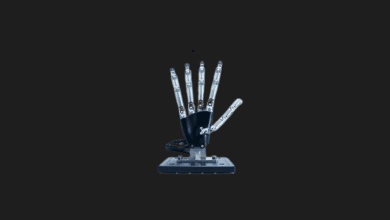
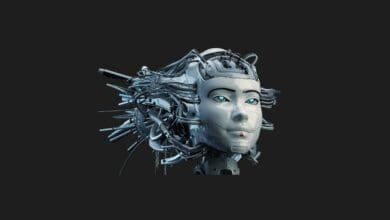
Humanoid robots are no longer a vision of science fiction. In 2025, companies around the world are pushing the boundaries of robotics, aiming to create machines that can interact, assist, and even work alongside humans. Among the most talked-about humanoid robots today are Tesla Optimus, Figure 03, and XPeng IRON — each representing a unique approach to the future of robotics.
Tesla Optimus: The Visionary General-Purpose Robot

Tesla’s Optimus is the brainchild of Elon Musk, designed as a general-purpose humanoid robot capable of performing repetitive or dangerous tasks. Optimus aims to support factories, warehouses, and even domestic environments by handling tasks that humans may find tedious or hazardous.
What makes Optimus stand out is Tesla’s ambitious vision. The robot is designed with advanced AI, capable of navigation, object recognition, and task automation. While it is still in the development phase, the concept embodies the idea of a fully integrated humanoid assistant that could revolutionize the way humans work and live. In essence, Optimus is not just a robot — it’s a glimpse into the future of human-robot collaboration.
Figure 03: Practicality Meets Precision
On the other side of the spectrum is Figure 03, developed by Figure AI, a U.S.-based robotics company. Unlike Optimus, which emphasizes broad capabilities, Figure 03 focuses on practical application. It is optimized for home and office environments, featuring highly precise movements, natural interaction with humans, and the ability to perform everyday tasks.
Figure 03’s advanced camera systems, articulated hands, and sensory feedback make it particularly adept at delicate operations, such as picking up fragile objects or assisting with household chores. In short, Figure 03 represents the most “ready-to-use” humanoid robot for everyday life, blending functionality with user-friendly design.
XPeng IRON: Agile and Commercial-Ready
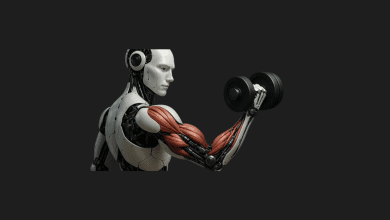
From China comes XPeng IRON, a humanoid robot engineered for commercial and semi-industrial environments. With a bionic skeleton, artificial muscles, and 82 degrees of freedom in its joints, IRON moves with astonishing agility and human-like balance. Its design is intended for applications in stores, reception areas, and other customer-facing environments.
Unlike home-focused robots, IRON excels in scenarios where interaction with people, fast movement, and precise coordination are essential. Its human-like mobility and robust frame make it a strong contender for workplaces seeking automation without sacrificing human-like presence and responsiveness.
Comparing the Three Robots
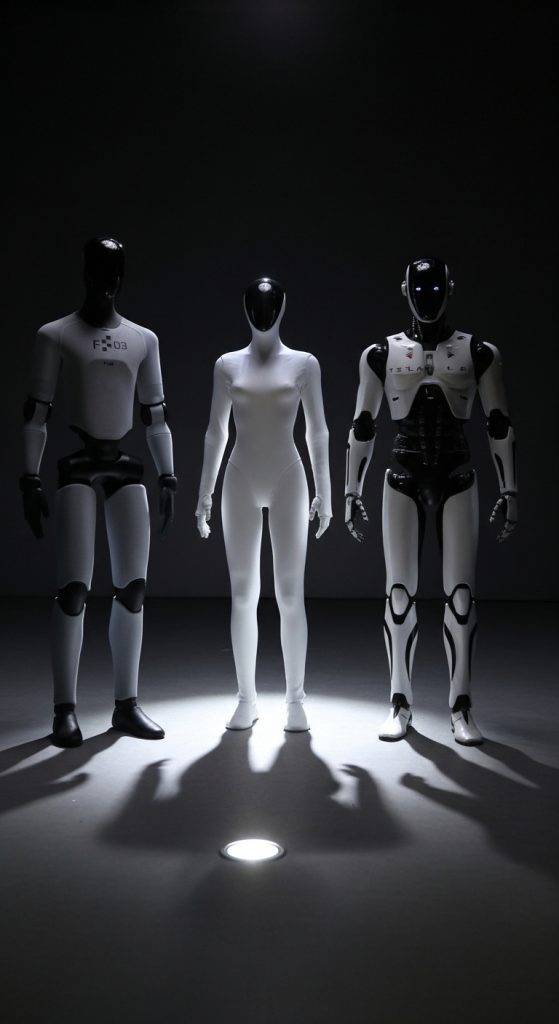
Each of these robots serves a distinct purpose:
- Tesla Optimus is about vision and ambition, promising a future where robots can handle a variety of human tasks.
- Figure 03 focuses on real-world usability, delivering precision, intelligence, and home-ready functionality.
- XPeng IRON targets commercial and semi-industrial environments, combining human-like agility with task-specific design.
The question then becomes: which robot is right for you? For home use, Figure 03 may be the most practical. For general-purpose tasks or long-term vision, Optimus offers promise. For commercial spaces, IRON is arguably the most capable today.
The Future of Humanoid Robotics
As these humanoid robots continue to evolve, the line between human and machine will blur further. They may one day become indispensable partners in homes, workplaces, and public spaces. While each robot has strengths and limitations, collectively, they signal a new era in which human-robot collaboration could become the norm rather than the exception.
Humanoid robots like Tesla Optimus, Figure 03, and XPeng IRON are no longer just tech experiments — they are the blueprint for a future where robots are practical, intelligent, and omnipresent.
You Might Also Like;
- We Selected 10 Series Similar to Stranger Things for Those Who Love It
- Where and How is Silver Used in Electric Vehicles?
- Hyundai Unveils Its Multi-Purpose Wheeled Robot
Follow us on TWITTER (X) and be instantly informed about the latest developments…