The reduction in air pollution in Guangzhou, China, with electric buses and taxis.

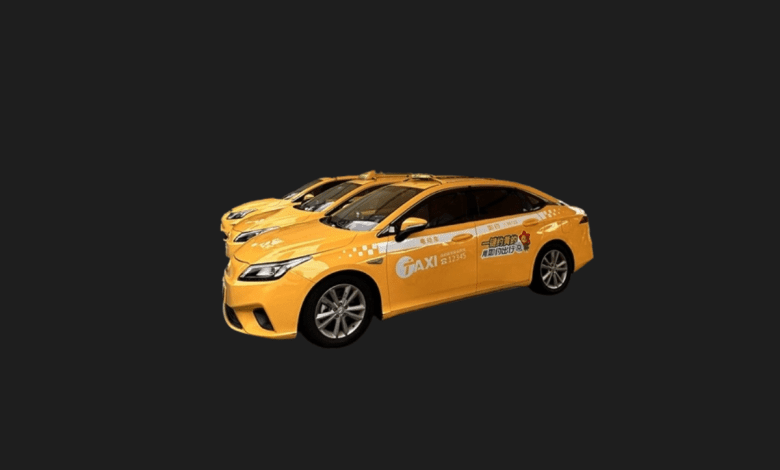

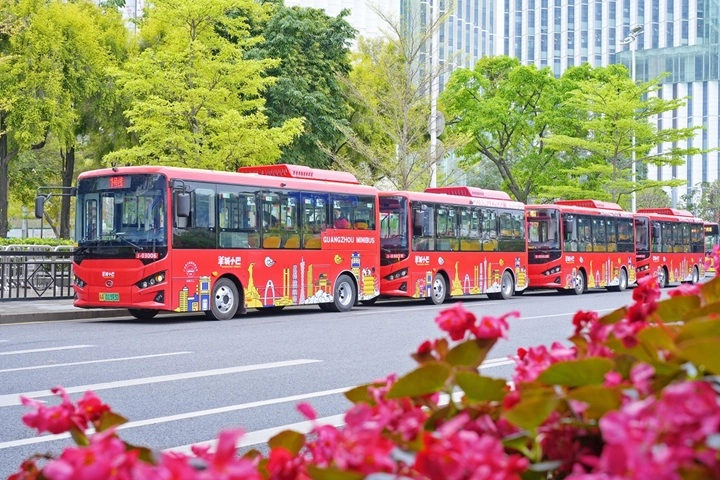
The municipality in Guangzhou, China, which is battling air pollution, has taken a significant initiative, putting 12,000 electric buses and 10,000 electric taxis into service.
One of the main causes of air pollution in our cities is fossil fuel-powered vehicles. Fossil fuel vehicles are responsible for 27% to 43% of harmful particulates in cities. Municipalities are responsible for carrying out their duty and reducing these levels. Western municipalities generally opt to allow electric vehicles free entry into the city while charging a substantial fee for fossil fuel vehicles. Chinese administrations, on the other hand, encourage the use of electric vehicles by issuing license plates to them while denying or severely restricting license plates for fossil fuel vehicles.
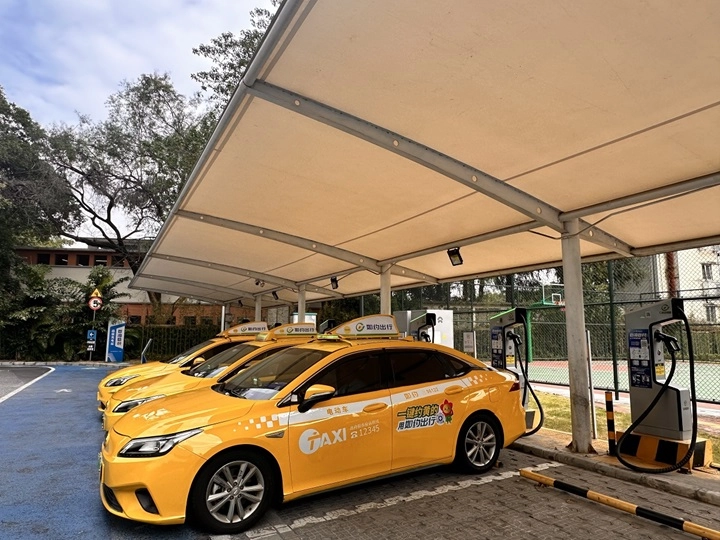
Guangzhou, China, has managed to reduce carbon emissions and establish a quiet, clean transportation infrastructure by fully transitioning to electric buses in its public transport system. 12,000 electric buses and 10,000 electric taxis have been put into service. 50% of the city’s taxi fleet has been electrified. In a city of 24 million people, there are twice as many buses as Istanbul (12,000), while the number of taxis is equal to Istanbul with 20,000 in total. A total of 8,000 charging piles at 400 charging stations have been installed for electric vehicles and electric public transport within the city. Istanbul, in contrast, has a total of 12,000 sockets.
With the transition to electric vehicles in the city, PM2.5 particulate levels have decreased by 40%, and the total energy consumed for public transport has decreased by 50%. An annual reduction of 1 million tons of carbon emissions has been achieved. Another major advantage of the electric buses has been the significant reduction in urban noise pollution. Aging and degraded electric bus batteries are being used as stationary storage for times of excess solar and wind energy. This is managed by the municipality’s “Battery Hospital”.
Bus batteries that have reached the end of their service life are recycled at centers called the “Battery Hospital” and are put back into service in stationary energy storage systems for use during periods of high solar and wind energy production.
Batteries with an average capacity of 200 kWh provide enough energy for a day’s use with a range of 300 km. Although electric buses are expensive in initial investment, they offer a 10% lower operating cost per kilometer. The municipality’s plans for integration with solar energy systems could make this transformation even more economical. An average electric bus battery with a 200 kWh capacity provides enough energy for a day’s journey with a 300 km range. According to sources, although electric buses are expensive in initial investment, they offer lower operating costs in the long run. Furthermore, municipalities can make this investment even more profitable in the long term by establishing solar power plants on facility rooftops or their own vacant lands.

You Might Also Like;