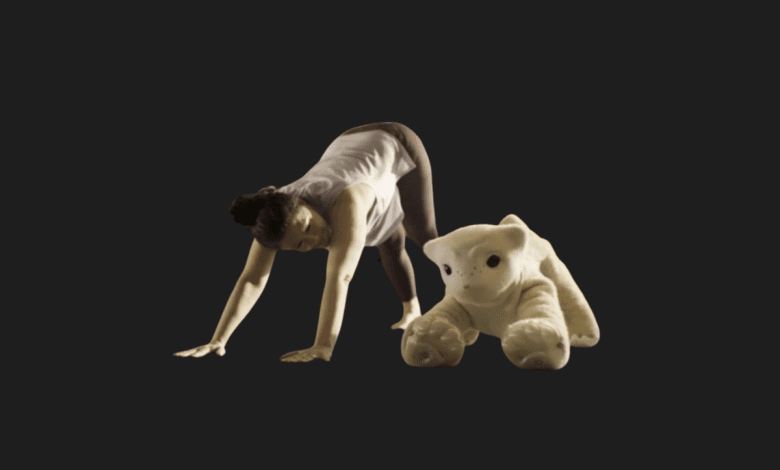

For years, I’ve watched robots master the art of vacuuming our floors, but it seems their next target is our hearts. Colin Angle, the mastermind who brought the iRobot Roomba into millions of homes, has officially pivoted from dust to emotions. When I first looked into his new venture, “Familiar Machines & Magic,” I was genuinely fascinated. We are stepping out of the era where machines are just obedient tools, and entering a phase where they are designed to be our companions.
A Shift from Chores to Companionship
Let’s be honest, the tech world is currently obsessed with physical labor and humanoid robots. I’ve covered enough of them here to know the drill. But Angle is taking a refreshingly different route. Speaking at a recent Wall Street Journal conference, he argued that the future of robotics isn’t just about physical strength or looking like a human. It’s about social reasoning.
His new “Familiar” systems are built around forming deep, sustainable emotional bonds. Instead of just following a command to clean the kitchen, these “artificial pets” are designed to:
- Understand Context: They don’t just hear your words; they analyze your mood and tone.
- Remember Conversations: They build a consistent personality based on your shared history and past interactions.
- Adapt to Habits: Just like a real pet, they learn your daily routines and adjust to your lifestyle over time.
The Anatomy of an Artificial Pet
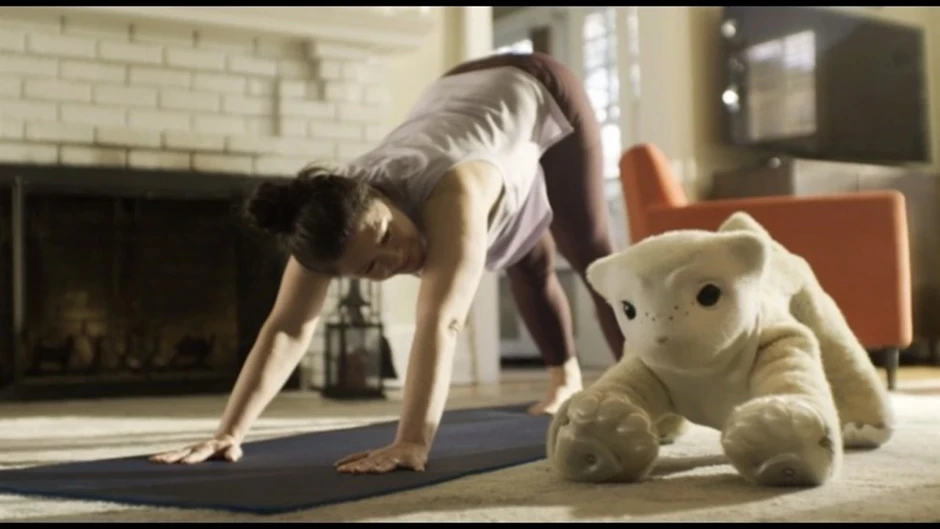
What really caught my attention is the physical design strategy. This isn’t a rigid, cold piece of metal or a humanoid covered in silicone.
The current prototype is built with a flexible architecture, allowing it to express intent and awareness through its entire body. Wrapped in a soft, touch-sensitive layer, it physically resembles a cute animal rather than a machine. Inside, it is packed with cameras and microphones, all feeding data into a multi-layered AI model dedicated entirely to social interaction. It is, essentially, an attempt to compress the loyalty and warmth of a dog into a highly advanced algorithm.
Can Code Replace Comfort?
Right now, this project is more of a high-tech demo than a commercial product. There is no official release date or price tag yet. However, it’s already sparking a massive philosophical debate in the tech community.
Some critics are reasonably asking: Why spend a fortune on a complex robotic pet when animal shelters are overflowing with real living creatures that desperately need homes? I completely understand that skepticism. As much as I love advanced tech, replicating the genuine warmth of a living being is a tall order.
So, Spartans, I have to ask you: Would you ever welcome an “artificial pet” into your home for emotional companionship, or is an algorithmic friend a line you just won’t cross? Let me know your thoughts!
You Might Also Like;