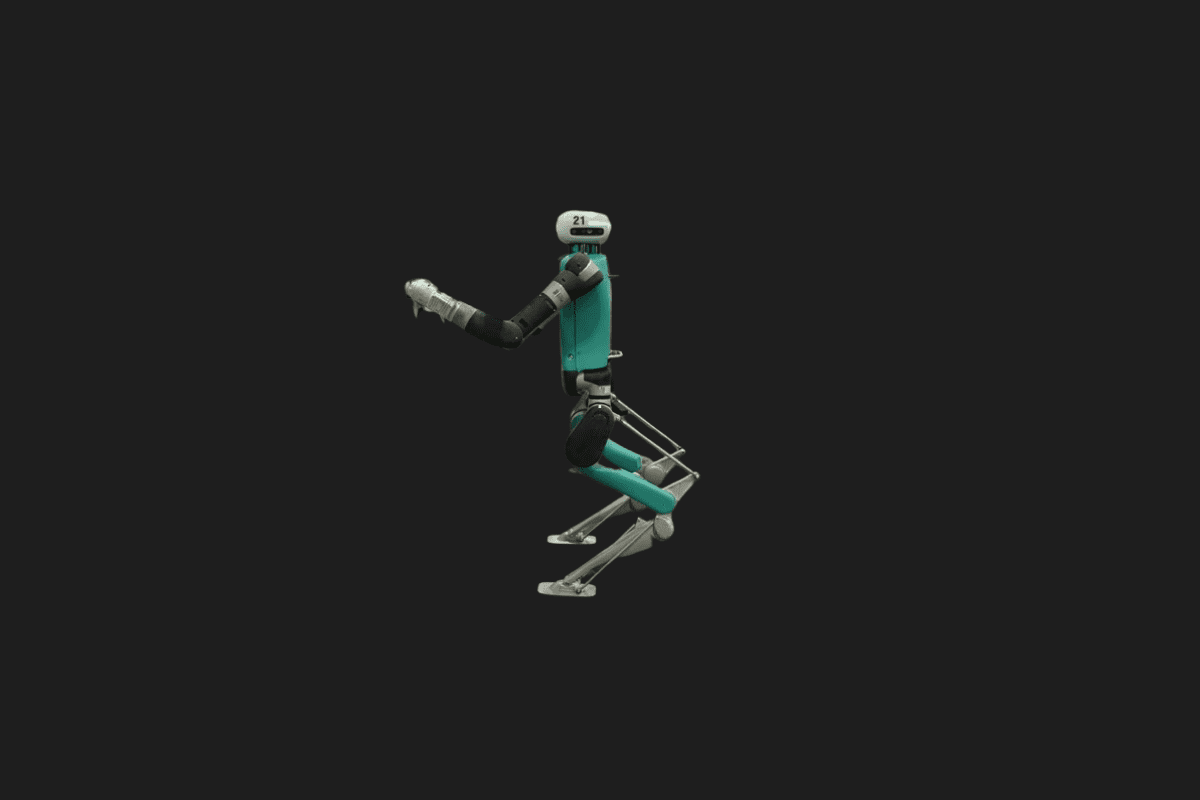
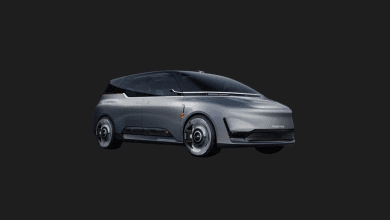
I’ve been watching the tech sector closely for years, and if there’s one thing I’ve learned, it’s that history loves to repeat itself—just with upgraded hardware. Think back to the early days of electric vehicles. American companies, spearheaded by Tesla, completely dominated the narrative. But look at the streets today. The EV market has undeniably transformed into a playground for Chinese manufacturers, shifting the entire global balance of production and export.
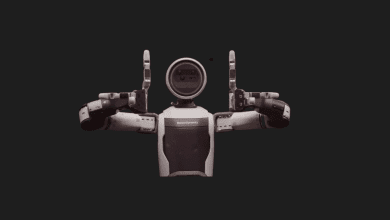
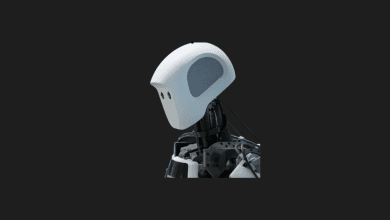
When I was digging through the latest research from Morgan Stanley analysts, I realized something massive is happening right under our noses. We are seeing the exact same playbook being rolled out again, but this time, the stakes are walking on two legs. China is actively maneuvering to establish global dominance in the humanoid robot sector.
Here is my deep dive into how they are doing it, the roadblocks they face, and why this shift matters to all of us.
The EV Playbook Reborn: Why Humanoid Robots Are Next

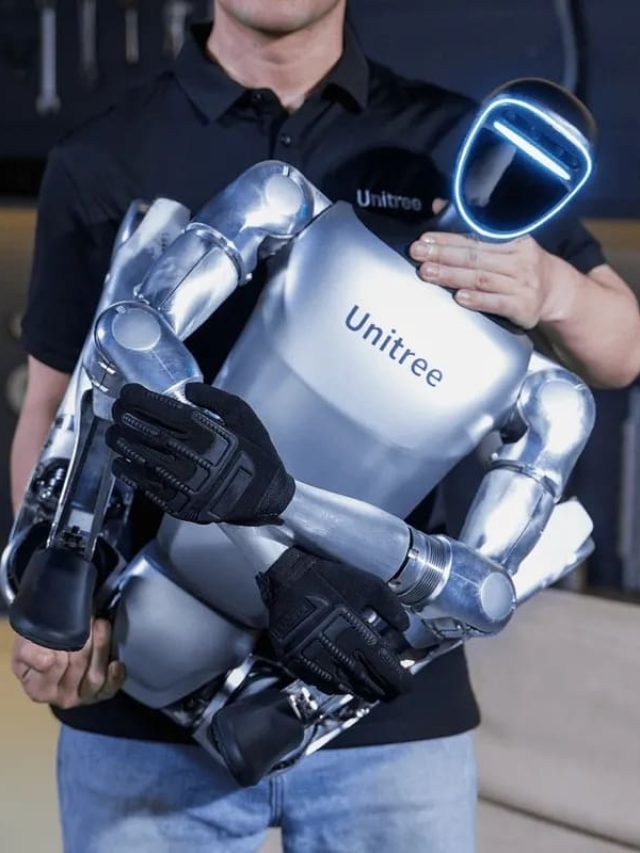
While most humanoid robots are still in the development phase, experts are placing massive bets on their potential to completely overhaul global manufacturing. The Morgan Stanley report explicitly draws a direct parallel between China’s aggressive investments in EVs a decade ago and their current strategy for humanoid robotics.
They aren’t just participating in the race; they are building the track. According to the economists at Morgan Stanley, China’s early advantage in this sector is going to significantly boost its weight in global manufacturing. Right now, China holds about a 15% share of global production. By 2030, analysts predict that number will jump to 16.5%, largely driven by the integration and export of these robotic workforces.
Follow the Money: Where the Investments Are Flowing


What really caught my attention was the sheer volume of capital moving into this space. Global investors aren’t just interested; they are throwing money at the sector at an unprecedented rate.
- Shattering Records: Since the beginning of 2026, global investment in humanoid robot startups has already surpassed the entirety of 2025.
- The Lion’s Share: A staggering 46% of these global investments are going directly to Chinese companies.
This isn’t just a hype cycle. China is securing advantages in the most critical, unglamorous parts of the supply chain. We are talking about sensors, motor systems, high-capacity batteries, and complex mechanical components. By controlling the building blocks, Chinese companies can scale up far faster than their rivals in the US, Japan, and South Korea.
Real-World Data: The Export Dominance Has Already Begun


If you think this is all just projections and theory, the current export data tells a very different story. China is already quietly embedding its robotic tech around the globe.
In just the first quarter of 2026, China’s total robotics exports hit a massive 11.32 billion yuan. What blew my mind is that these parts and products are already shipping to 148 different countries and regions.
- Industrial Boom: Their industrial robot exports saw a massive 42% year-over-year increase, reaching 3.16 billion yuan.
- Net Exporter Status: China is now a net exporter of industrial robots. They aren’t just building for their own massive domestic market anymore; they are supplying the world.
Morgan Stanley heavily revised its sales forecasts upward, predicting around 28,000 humanoid robots will be sold in China alone in 2026. TrendForce backs this up with an even wilder global projection: global shipments could surpass 50,000 units this year, representing a mind-bending 700% year-over-year growth.
US vs. China: A Clash of Tech Philosophies


As I see it, the most fascinating part of this race isn’t just the hardware; it’s the underlying philosophy of how these robots are developed.
- The American Approach (The Perfectionists): US companies tend to focus on building highly advanced, technically flawless, and expensive prototypes. They want the robot to be perfect before it leaves the lab.
- The Chinese Approach (The Pragmatists): Chinese manufacturers, on the other hand, push their products out into the field much earlier. They prefer to test “good enough” robots in real-world manufacturing environments.
I honestly believe this pragmatic approach gives China a massive edge. You can’t replicate the chaos of a real factory floor in a sterile lab. Plus, China’s massive internal market serves as the ultimate, giant sandbox for testing and iterating these machines at breakneck speeds.
The Bottlenecks: Batteries, Bankruptcies, and Bans

Despite the explosive growth, the humanoid robot revolution isn’t without its massive headaches. According to Morgan Stanley, only about 23% of companies are genuinely satisfied with the humanoid robots currently available.
Why? It comes down to stamina.
The two-hour limit: Right now, the biggest technological hurdle is battery life. Many of the top models can only run for about two hours before needing a charge. If you are running a 24/7 manufacturing plant, a robot that needs a nap every two hours just isn’t going to cut it.
Furthermore, there is a brutal market correction on the horizon. There are currently over 150 humanoid robot startups operating in China. Morgan Stanley warns that intense competition and aggressive price-cutting will squeeze profit margins so hard that a significant portion of these companies will be wiped out in the coming years. We are seeing this exact “survival of the fittest” scenario play out in the EV market right now.
Finally, just like with EVs and telecommunications, Chinese robot manufacturers are going to hit geopolitical walls. Concerns over data collection, security risks, and technological dependency will almost certainly lead to new trade restrictions and tariffs from Western nations.
My Final Take
Even with the looming threat of trade wars and battery bottlenecks, the momentum is undeniable. Dropping production costs and an ocean of investment capital mean China has already secured a formidable lead in the humanoid robotics race. We are watching the next industrial revolution being built, piece by piece, motor by motor.
I’m curious to hear your take on this. Do you think the US focus on high-end perfection will eventually win out, or will China’s “test in the real world” strategy crown them the undisputed kings of robotics? Drop your thoughts below and let’s discuss!
You Might Also Like;
- Extracting Memories After Death: Sci-Fi Dream or Imminent Reality?
- The Unsolved Mystery of Lightning Energy: Why We Can’t Catch It
- The Terrifying Reality of Flying Nuclear Bombers
-
-
-

-
-
-

-

-

-

-
-

-