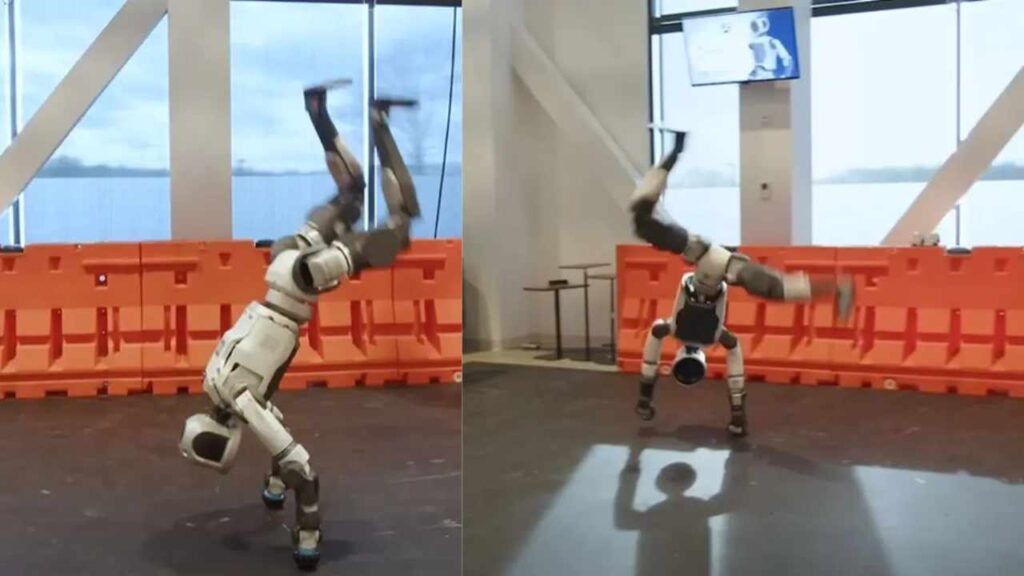
For years, I’ve been absolutely mesmerized by Boston Dynamics. We all have. Every time they dropped a new video of the Atlas robot doing parkour, running through the woods, or perfectly executing a backflip, it felt like we were getting a sneak peek into a sci-fi movie. But while diving into the latest industry reports, I was genuinely shocked to see what’s happening behind closed doors.
The studio that builds the world’s most advanced humanoid robots isn’t making headlines for its acrobatic feats right now. Instead, it is drowning in a massive management crisis. The core issue? Their parent company, Hyundai, wants to turn this legendary research lab into a relentless mass-production factory, and the friction is tearing the company apart.
Here is my breakdown of why the creators of Atlas are facing the toughest period in their history, and why building a great robot is entirely different from building thousands of them.
The Culture Clash: R&D Lab vs. Assembly Line

When Hyundai took control of Boston Dynamics back in 2021, the writing was on the wall. A global automotive giant doesn’t buy a robotics company just to make cool YouTube videos; they buy it to revolutionize their supply chain and manufacturing lines.
For decades, Boston Dynamics operated almost like an academic research center. Their engineers obsessed over perfecting prototypes, tweaking algorithms, and pushing the boundaries of physics and AI. But Hyundai’s management stepped in with a drastically different vision: commercialization at scale.
This deep philosophical clash between the automotive giant’s commercial expectations and the studio’s scientific, perfectionist approach has led to a breaking point. We are now seeing high-level executives and key engineers resigning one by one.
The Massive Gap: Promised Thousands, Delivering Four
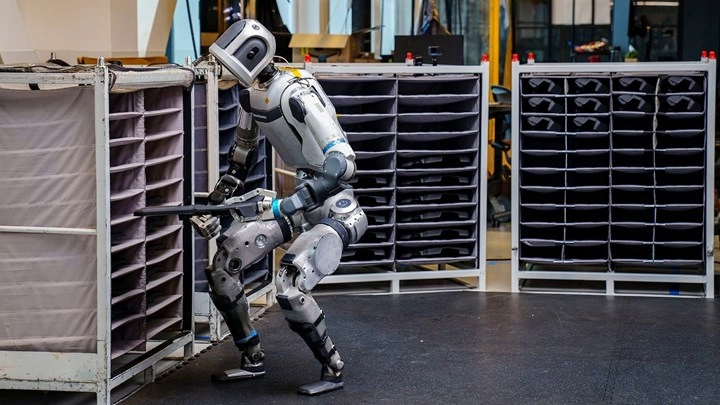
Earlier this year, at major tech expos, the narrative pushed by management was incredibly ambitious. We were told that the new, fully electric Atlas robot was ready for mass production and that massive, dedicated factories would soon be operational.
However, the reality on the manufacturing floor tells a completely different story.
- The Hyundai Demand: Hyundai management expects tens of thousands of Atlas robots to be delivered to work in their own automotive facilities.
- The Production Reality: Leaked reports and industry rumors suggest that with their current infrastructure, Boston Dynamics can only produce about four Atlas robots a month.
- The Fallout: The terrifying gap between a promised 30,000 units annually and the actual output has caused severe boardroom tension. It strongly fuels the rumors that the recent “retirement” of CEO Robert Playter and his core team was actually a forced exit due to this immense production pressure.
The Tesla Optimus Effect: Panic in the Boardroom

So, why is Hyundai pushing so aggressively right now? Why the sudden panic to rush Atlas out the door? From where I sit, watching the broader AI and robotics space, the answer is obvious: The competition is moving at lightning speed.
I’ve written a lot about the rise of other humanoid robots on this site, and Hyundai is looking directly at them:
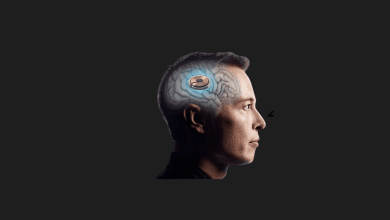
- Tesla Optimus: Elon Musk is notorious for pushing through “manufacturing hell.” Tesla isn’t just building Optimus; they are already deploying them in their own car factories to test real-world utility.
- Figure 02 & Unitree G1: Agile startups like Figure (partnered with BMW) and incredibly fast-moving Chinese companies like Unitree are proving that you don’t need decades of R&D to build a commercially viable, AI-driven humanoid.
Hyundai realizes that if they don’t transition Boston Dynamics from a “cool research project” into a “production machine” immediately, they will lose the humanoid robotics race to companies that didn’t even exist five years ago.
Can Boston Dynamics Survive the Transition?
I honestly think the engineers at Boston Dynamics are right about one thing: the robotics world is at a massive turning point where generative AI and physical capabilities are finally merging. But having a brilliant theory and a breathtaking prototype doesn’t automatically mean you can fulfill factory orders.
Transitioning from building bespoke, million-dollar prototypes to stamping out reliable, affordable robots on an assembly line is brutal. It requires a completely different skill set, one that heavily focuses on supply chain logistics, cost-cutting, and manufacturing efficiency rather than pure innovation.
Boston Dynamics is undergoing a painful, forced evolution. The company that emerges from this crisis will likely look entirely different from the one that gave us those iconic dancing robot videos.
What do you guys think? Will Hyundai’s aggressive mass-production demands completely destroy the innovative spirit of Boston Dynamics, or is this the tough love the company needs to finally bring humanoid robots into our daily lives? Let me know your thoughts in the comments!
You Might Also Like;
- The Unsolved Mystery of Lightning Energy: Why We Can’t Catch It
- The Terrifying Reality of Flying Nuclear Bombers
- How Long Does It Really Take to Travel to Mars?
-
-
-
-

-
-

-
-
-

-
-

-