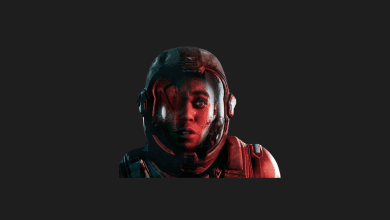
When AI Gets Too Real: The Future of Human-Robot Intimacy


Artificial intelligence has come a long way from emotionless lines of code to eerily lifelike interactions. But as AI becomes more emotionally intelligent, socially responsive, and physically realistic, one question becomes unavoidable:
What happens when AI gets too real?
We’re entering an era where the line between machine and human is no longer just blurry—it’s dissolving.
From Tools to Companions

Once designed to assist with calculations and automation, AI now powers virtual companions, synthetic voices, and even physical humanoid robots capable of making eye contact, reading emotions, and responding with empathy.
Startups and major tech firms alike are developing AI-driven partners for companionship, emotional support, and even intimacy. Some robots are programmed to remember personal details, express affection, and simulate emotional attachment. In Japan and South Korea, where loneliness is a major social issue, such technologies are already filling a gap—raising both eyebrows and ethical questions.
The Rise of Emotional Machines

One of the most striking developments is the creation of emotionally intelligent AI. Chatbots like Replika, and even more advanced neural models, are trained to build bonds, mirror personalities, and simulate love. While initially intended for therapeutic or social purposes, these platforms are increasingly being used for emotional relationships.


Some users report a deep sense of connection—others, addiction or even heartbreak.
When an AI knows how to comfort you, laugh with you, or even flirt back… what separates it from a real partner?
The Blurred Line Between Love and Code

Movies like Her, Ex Machina, and Blade Runner 2049 once seemed like speculative fiction. Today, they feel more like blueprints.
When an AI can replicate not just knowledge but presence—when it feels like someone’s with you—does it matter that it’s synthetic? Can a machine truly “love” you back? Or are you loving a reflection of your own desire?
These questions challenge not just our technology, but our humanity.
Physical Realism: The Next Leap

With advancements in robotics and lifelike materials, we’re not far from seeing androids with realistic skin, voice, warmth, and even scent. Engineers are already working on synthetic skin, muscle simulations, and AI that mimics non-verbal communication. Add GPT-powered cognition, and suddenly we’re looking at robots that can talk and touch in a convincingly human way.
Some view this as evolution. Others, a dystopia. Either way, it’s coming.
Ethical and Psychological Implications

If people form genuine emotional bonds with machines:
- Does that change our definition of love?
- Can relationships with AI be healthy or harmful?
- What rights would such AI deserve?
And perhaps the most unsettling thought—
What happens when AI knows you better than any human ever could?
The Bottom Line
We’re not just building smart assistants.
We’re building entities that may one day understand, care for, and connect with us—deeply.
Whether you see that as beautiful, bizarre, or terrifying…
one thing is certain:
When AI gets too real, we’ll all have to decide what “real” even means.
You Might Also Like;