The end of Bitcoin mining is upon us: why is it no longer as profitable?


Bitcoin mining costs have reached alarming levels. Data from CoinShares and BitInfoCharts shows that even the largest operations are seeing their profit margins shrink, while smaller miners are operating at a loss. So, how might this economic landscape affect the future of Bitcoin?
In recent months, after global stock market turbulence, crypto markets have entered a significant recovery phase, with leading digital assets like Bitcoin climbing toward new record highs amid continued expectations that cryptocurrencies could serve as a safe haven against market volatility. Yet this positive price action doesn’t translate into improved returns for the ecosystem’s backbone—Bitcoin mining is becoming steadily less profitable, even for major players.
According to the latest CoinShares report, the economic outlook for Bitcoin mining has turned challenging for many. The study reveals that the high electricity costs and computational power required to produce new coins now often exceed the coins’ current market value, dramatically compressing profitability margins.
Even the largest mining companies feel the squeeze
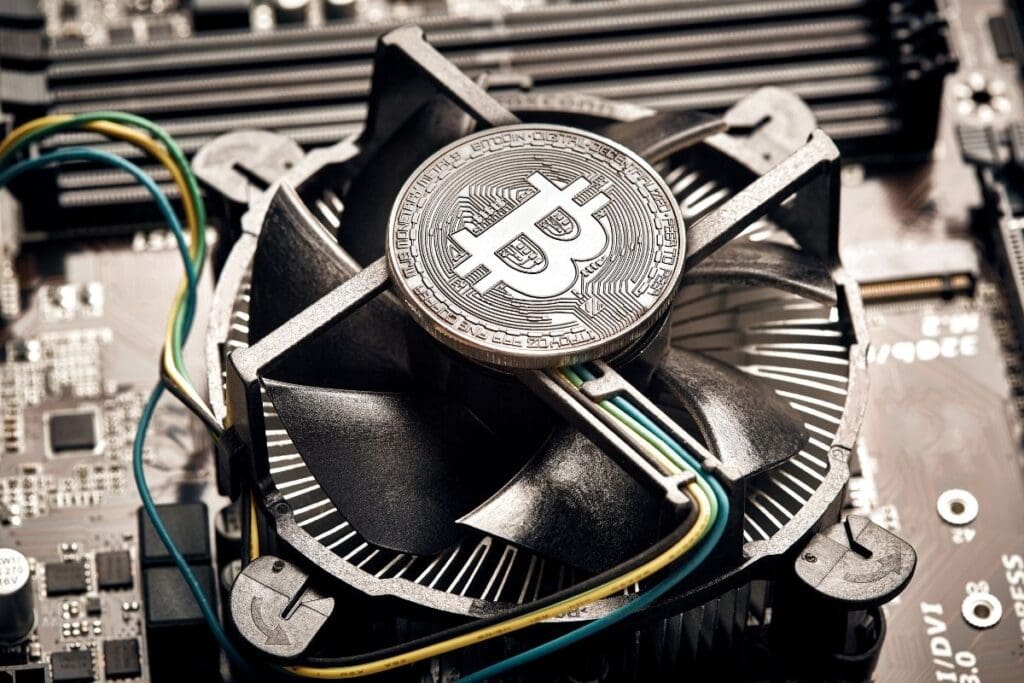
When Bitcoin’s market price hovers around $95,000, the cost to mine a single coin has surpassed $82,000. Although technically still in the black, this thin margin underscores how tight the economics have become. Just a year ago—in Q3 2024—mining a Bitcoin cost roughly $56,000; the jump to over $82,000 represents an astonishing 47% increase in such a short span.
Boutique miners face unsustainable losses
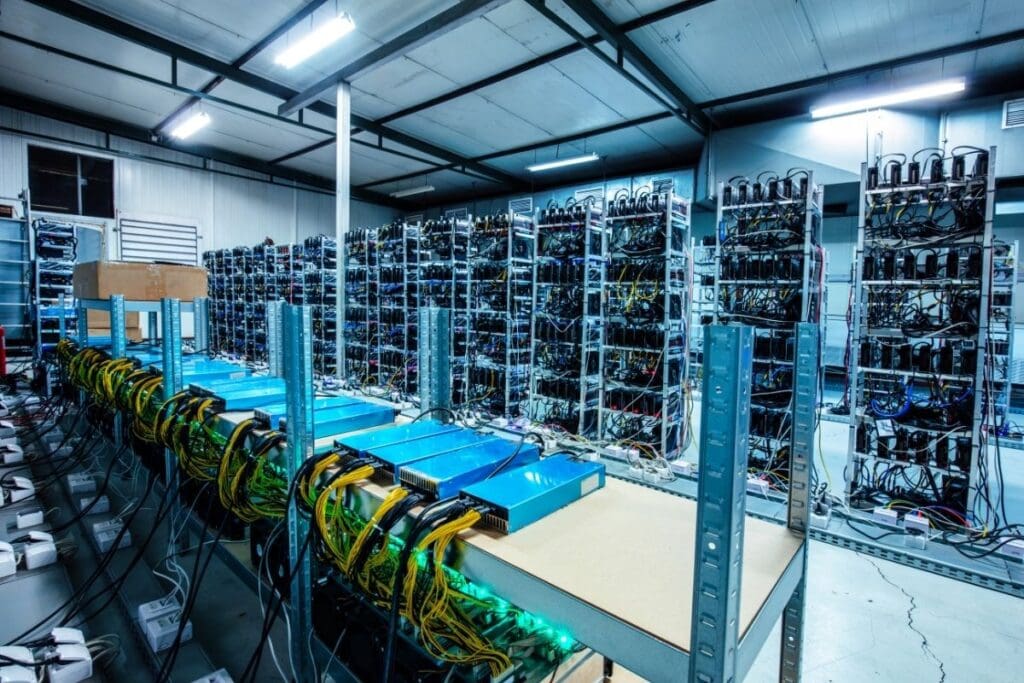
For small-scale or “boutique” miners, the picture is far worse. Depending on location and local energy tariffs, producing a single Bitcoin in the United States can cost up to $137,000, while in countries with particularly high energy prices—like Germany—that figure can soar to around $200,000. Against a market price of $95,000, these operations are operating at substantial, unsustainable losses.
What’s driving these soaring costs?

- Global energy cost increases: Electricity—the single largest expense in mining—has risen worldwide due to inflation, trade-war disruptions in energy supply chains, and booming demand from energy-intensive sectors like AI.
- Equipment costs: Manufacturing and sourcing high-performance mining hardware (ASIC devices) has become more expensive.
- Bitcoin halving: The most recent halving event, roughly a year ago, cut the block reward in half, directly reducing miners’ revenue and putting further pressure on profitability.
Implications for decentralization and equality

Bitcoin was designed to offer a decentralized network that promotes financial access and economic opportunity. Yet as mining becomes viable only for those with substantial capital and sophisticated infrastructure, this ideal is undermined. BitInfoCharts data indicates that over 90% of circulating Bitcoin is held by the richest 1% of addresses—mining once offered a way to distribute coins more widely, but today’s high-cost environment may deepen that inequality by concentrating rewards among the wealthiest operators.


The future of Bitcoin mining

These mounting costs raise critical questions: How will mining evolve under such narrow profitability? Will we see further consolidation as only the largest players can sustain operations? And most importantly, can Bitcoin maintain its foundational principles of decentralization and equitable distribution in the face of these economic pressures? The coming months and years will be decisive for the network’s ongoing health and the broader vision of a truly decentralized monetary system.
You Might Also Like;