Cinematic Code: The Best Movies About Cyber Attacks You Need to Watch

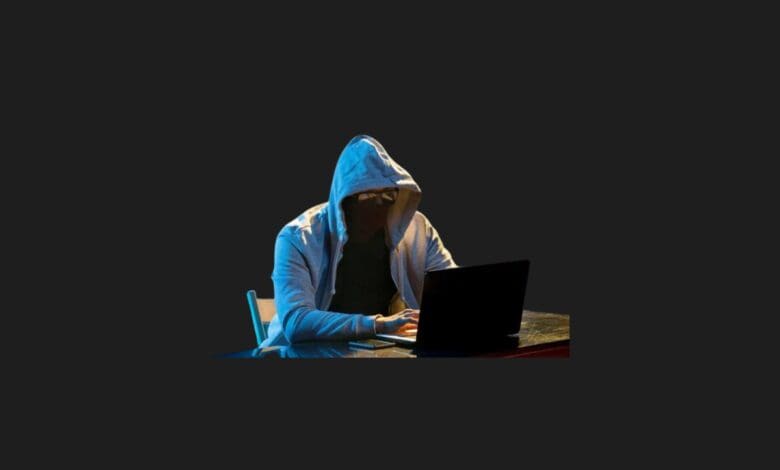

I’ve always found it fascinating how cinema tries to capture the invisible world of bits and bytes. When you think about it, showing someone typing on a keyboard isn’t inherently “cinematic,” yet some directors manage to make a line of green code feel as tense as a high-speed car chase.
Lately, as I spend more time exploring the Metaverse and seeing how integrated our lives are with digital infrastructure, these films feel less like “science fiction” and more like “cautionary documentaries.” We aren’t just using technology anymore; we are living inside it. If the security fails, the impact is physical, global, and immediate.
I’ve gathered a list of films that, in my opinion, best capture the thrill, the danger, and the sheer genius behind cybersecurity and hacking. Whether you’re a terminal-dwelling pro or just curious about how a single exploit can change the world, these are my top picks.
1. Who Am I (2014) – The Modern Masterpiece
If you haven’t seen this German gem yet, you’re missing out on what I consider the most visually creative representation of hacking.
The story follows Benjamin, a lonely computer whiz who finds a sense of belonging in a subversive hacker group called CLAY. What I love about this film is how it visualizes the “Darknet” as a physical subway train where masked hackers exchange info. It moves away from the cliché of scrolling text and focuses on the social engineering aspect—the idea that the biggest vulnerability in any system isn’t the software, it’s the human behind it.
- My Take: The “No system is safe” mantra stays with you. The plot twists left me staring at the screen for ten minutes after the credits rolled.
2. WarGames (1983) – The Granddaddy of Cyber Thrillers
It’s wild to think that a movie from 1983 predicted so much of what we discuss today regarding Artificial Intelligence and autonomous defense systems.


When a young hacker accidentally breaks into a military supercomputer thinking it’s a game studio, he nearly triggers World War III. Watching this today, I’m struck by how it mirrors our current fears: what happens when we give an algorithm control over life-and-death decisions?
- Ugu’s Note: This film actually influenced real-world US policy. After President Reagan watched it, he asked his advisors if this could actually happen. The answer led to the first major federal directive on computer security. Talk about the power of film!
3. The Imitation Game (2014) – Where It All Began
I know, I know—this isn’t a “hacker” movie in the sense of hoodies and energy drinks. But to understand cyber warfare, you have to understand Alan Turing.
This film tells the story of the team at Bletchley Park trying to crack the Nazi Enigma code. This is the birth of the computer age. Every time we talk about end-to-end encryption or brute-force attacks today, we are standing on the shoulders of the concepts explored in this movie.
- Why it matters: It reminds us that “hacking” is essentially problem-solving under extreme pressure. Benedict Cumberbatch’s portrayal of Turing is heartbreaking and brilliant.
4. Sneakers (1992) – The “Physical” Side of Security
This is probably the most “fun” movie on the list. It features an incredible ensemble cast playing a team of “penetration testers” (people paid to break into buildings to test their security).
The plot revolves around a “black box” that can decrypt any system. While it’s a tech-thriller, it’s really a movie about privacy and surveillance. There’s a line in the film: “It’s not about who has the most bullets, it’s about who controls the information.” In 1992, that was a cool movie quote. In 2026, it’s the fundamental truth of geopolitics.
5. Blackhat (2015) – The Gritty Reality
While critics were split on this one, I actually appreciate Blackhat for its commitment to technical realism. Director Michael Mann worked closely with actual security consultants to ensure the hacking didn’t look like “magic.”
The film follows a furloughed convict (Chris Hemsworth) helping authorities track down a high-level cybercriminal attacking nuclear plants and bank exchanges. It captures the global scale of cybercrime—how a person in a basement in one country can cause a physical explosion in another.
Why We Should Care
Watching these films makes me realize that we are currently in a transition period. We are moving from “connected devices” to a “connected existence.” As we build the Metaverse, the stakes of a “cyber attack” shift from losing your credit card info to losing control of your digital identity or even your perceived reality.
I often wonder if we are becoming too reliant on systems we don’t fully understand. We trade privacy for convenience every single day, and these movies serve as a great (and entertaining) reminder that the “firewall” is often thinner than we think.
If you had to disappear from the digital world tomorrow—no social media, no bank accounts, no digital footprint—do you think you could actually do it, or is the “system” already too deep in our DNA?
You Might Also Like;