Self-Operating Medical Pods: Science Fiction or Future Reality?


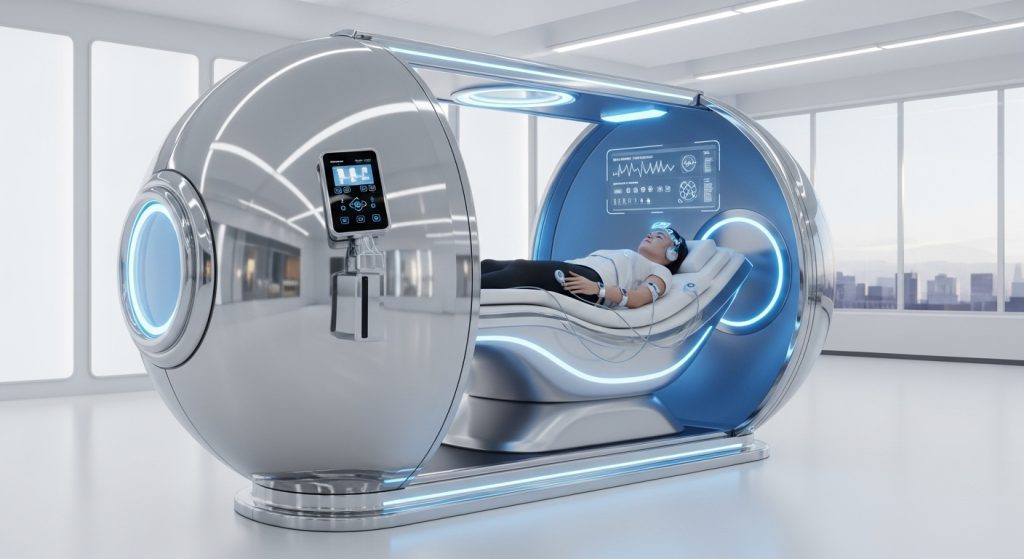
Imagine stepping into a small capsule, the door closes, and a fully autonomous medical system performs surgery on its own. This scenario, once reserved for sci-fi movies, is slowly moving toward reality. While fully self-operating surgical capsules do not yet exist, rapid advancements in robotics, artificial intelligence, and biosensors are bringing the concept closer to real-world applications.
The Current State of Medical Technology
Robotic Surgery
Robotic surgery systems, such as the da Vinci Surgical System, have revolutionized the operating room. These robots allow surgeons to perform extremely precise operations with minimal invasiveness. Procedures like prostatectomies, cardiac surgeries, and complex laparoscopic operations have become safer and faster thanks to robotic assistance.
Artificial Intelligence in Diagnostics
AI is rapidly transforming medical diagnostics. Machine learning algorithms can detect tumors, vascular blockages, and other medical conditions from imaging scans with higher speed and sometimes greater accuracy than human doctors. For instance, AI models can analyze thousands of MRI and CT scans in minutes—a task that would take humans hours.
Biosensors and Real-Time Monitoring
Advanced biosensors can continuously monitor vital signs, blood chemistry, and other health indicators in real time. These devices enable early detection of complications and provide data that can guide treatment decisions—even remotely.
The Challenge of Full Autonomy
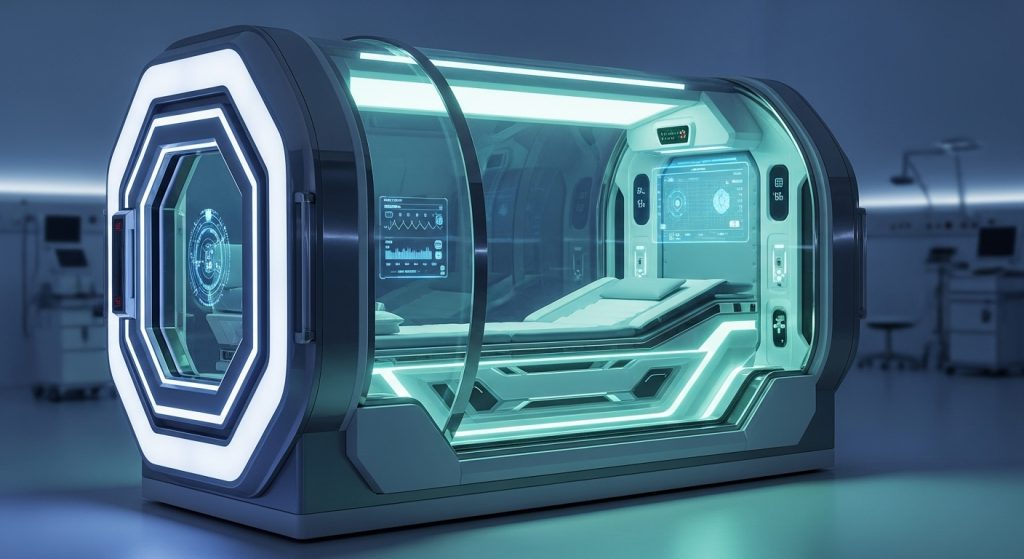
Combining these technologies into a single, fully autonomous capsule is the biggest hurdle. Safety, reliability, and ethical considerations are paramount. The system must flawlessly perform complex surgical procedures without human oversight while responding to unexpected complications. Regulatory approval for such devices would also be extremely stringent, adding another layer of difficulty.
The Road Ahead

Experts suggest that semi-autonomous surgical pods capable of performing simple procedures could emerge around 2035. These pods might assist surgeons in minimally invasive operations or provide emergency care in remote locations. However, fully autonomous surgical capsules that can handle complex surgeries entirely on their own remain firmly in the realm of science fiction—for now.

Conclusion

While self-operating medical pods may seem like futuristic fantasy, the building blocks are already in place. Robotics, AI, and real-time biosensors are each evolving rapidly. The integration of these technologies into autonomous capsules could redefine healthcare in the coming decades, offering faster, safer, and more accessible medical interventions. The dream of stepping into a pod and receiving surgery without a human doctor is still distant—but the future is closer than we might think.
You Might Also Like;
- We Selected 10 Series Similar to Stranger Things for Those Who Love It
- Where and How is Silver Used in Electric Vehicles?
- Hyundai Unveils Its Multi-Purpose Wheeled Robot
Follow us on TWITTER (X) and be instantly informed about the latest developments…