If you’ve been following my deep dives into generative AI and robotics, you know I’ve been waiting for a specific “iPhone moment” for the robotics industry. Up until now, building a humanoid robot was an incredibly fragmented nightmare. You had to source hardware from one company, build a custom software stack from scratch, and figure out how to simulate training data in isolated, proprietary environments.
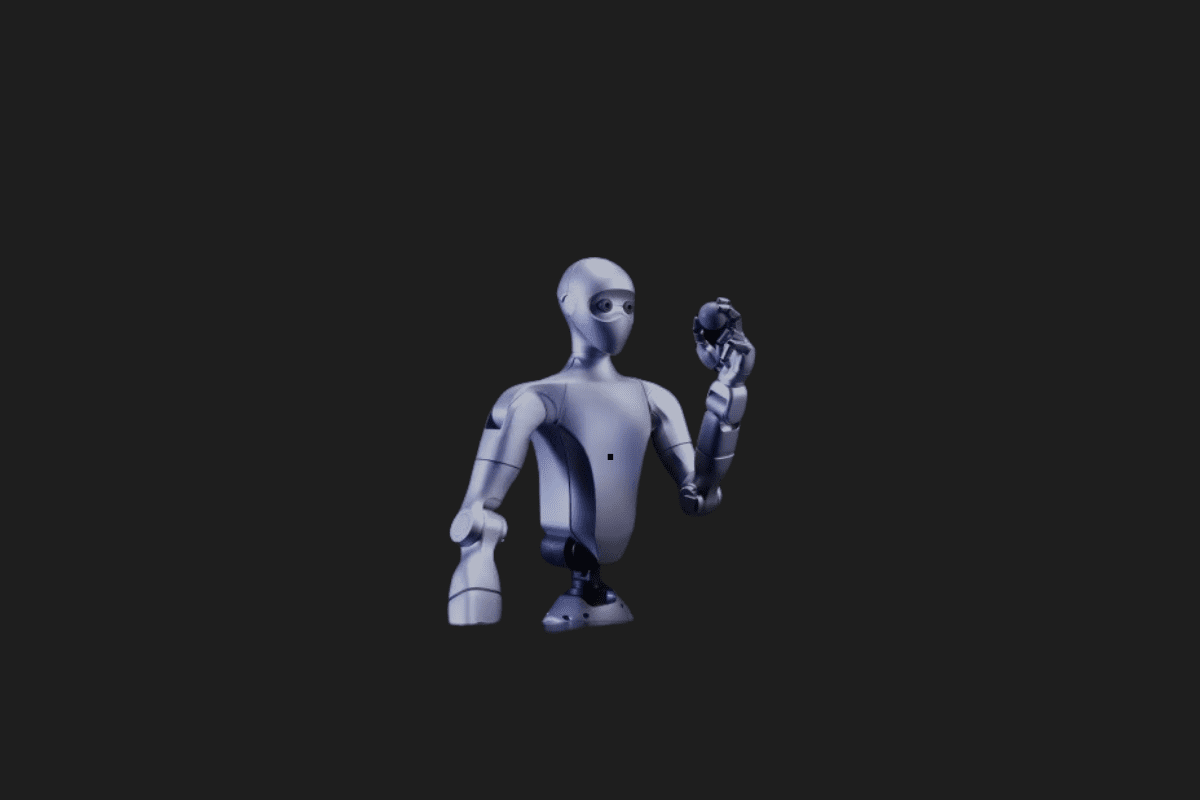
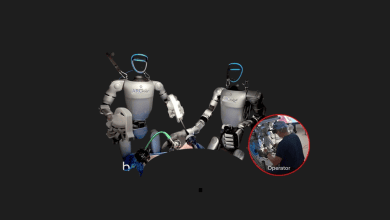
Well, Jensen Huang just stepped onto the stage at GTC Taipei and essentially handed the keys to the kingdom to developers worldwide. Nvidia has officially unveiled the Isaac GR00T Reference Humanoid Robot, an open-source platform powered by Jetson Thor that combines hardware and software into one unified, incredibly powerful ecosystem.
When I was analyzing this announcement, it became immediately clear: Nvidia isn’t just trying to sell chips anymore; they are positioning themselves as the foundational operating system for the next trillion-dollar industry—Physical AI. Let’s break down exactly what this means and why it’s a massive leap forward.
Democratizing Physical AI: The End of Fragmented Robotics

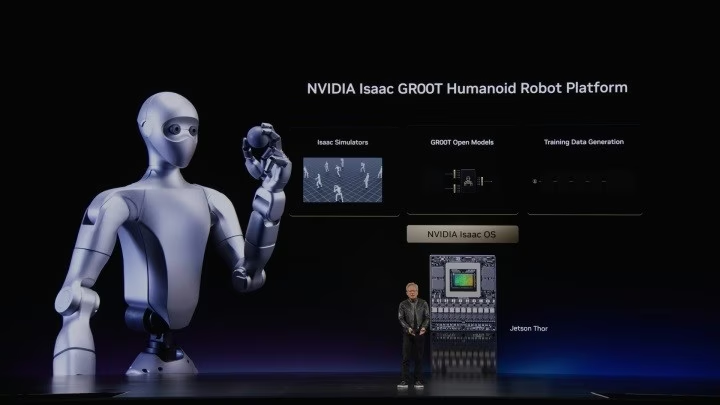
Before this announcement, if a university or an independent research lab wanted to develop advanced physical intelligence, they were severely bottlenecked. They had to deal with closed ecosystems and spend months just trying to get the sensors to talk to the actuators.
The Isaac GR00T Reference Design changes everything. It completely consolidates the disjointed workflows of robotic development—hardware integration, data collection, simulation, training, testing, and deployment—into a single, accessible platform.
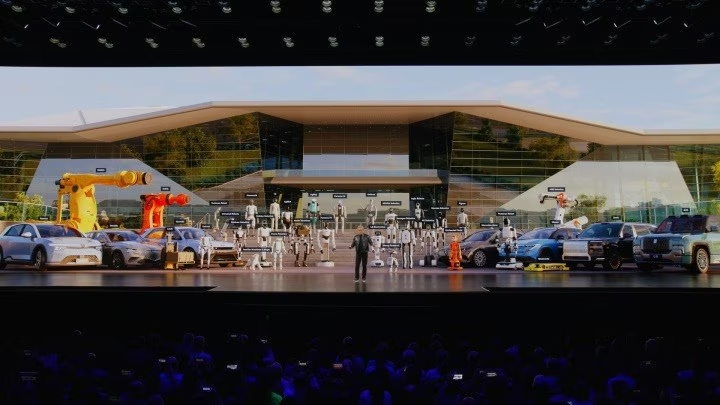
Jensen Huang stated that bringing physical AI to the world’s largest industries represents a “trillion-dollar economic opportunity.” By open-sourcing this reference design, Nvidia is allowing research laboratories to bypass the painful hardware setup phase and jump straight into training models for general-purpose physical intelligence.
Deep Dive into the Hardware: A Unitree Masterpiece
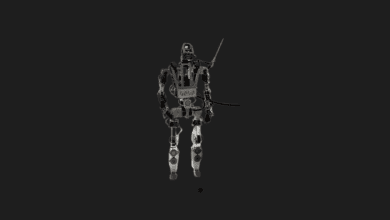
Let’s get into the specs because this is where my inner tech geek really lights up. Nvidia didn’t build the physical shell from scratch; they wisely partnered with some of the best in the business. The reference robot integrates the Unitree H2 Plus humanoid body with Sharpa Wave tactile-feedback hands, all driven by Nvidia’s computational ecosystem.
Here is what this beast looks like under the hood when it launches this October:
- Human-Scale Dimensions: Standing at about 180 centimeters (roughly 5’11”) and weighing in at 70 kilograms (154 lbs), it is designed specifically to navigate environments built for humans.
- Insane Dexterity: The robot boasts a total of 75 degrees of freedom (DOF). The core body has 31 DOF, but the real magic is in the hands. Each Sharpa Wave five-fingered robotic hand adds an extra 22 DOF. This allows for incredibly delicate object manipulation, meaning this robot can handle tools designed for human hands.
- Sensory Array: For vision, it uses a stereo camera system offering a massive 140-degree horizontal and 102-degree vertical field of view. But it doesn’t stop there—it features dedicated cameras on the wrists for close-range manipulation and an Inertial Measurement Unit (IMU) for precise motion tracking.
- Raw Power and Payload: The actuators in the arms can generate up to 120 Newton-meters of torque, while the legs push out a staggering 360 Newton-meters. It can comfortably carry a nominal payload of 7 kilograms, peaking at 15 kilograms for heavy lifting.
The Brains of the Operation: Jetson Thor and Blackwell
You can have the best hardware in the world, but it’s useless without a brain fast enough to process the physical world in real-time. This is where Nvidia flexes its absolute dominance.
The “brain” of the GR00T reference robot is the Nvidia Jetson AGX Thor T5000, built on their bleeding-edge Blackwell GPU architecture.
Let me put this computational power into perspective. This system delivers 2,070 FP4 teraflops of AI performance, paired with a 14-core Arm processor and 128 GB of unified memory. Because physical robots need to operate without being tethered to a supercomputer, power efficiency is critical. The Jetson Thor consumes anywhere from 40 to 130 watts depending on the configuration, which is incredibly efficient for real-time sensor processing and AI inference.
Powered by a 15 Ah battery (storing 0.972 kWh of energy), the robot can operate continuously for about three hours before needing a charge. It also comes fully loaded with connectivity options, including Ethernet, Wi-Fi 6, Bluetooth 5.2, USB support, and integrated microphones and speakers for voice interaction.
The Software Ecosystem: Everything in One Place
What truly makes this an “iPhone moment” is the software stack. Huang emphasized that the Isaac GR00T developer platform brings every single software layer required for humanoid robotics into one unified structure.
Instead of researchers pulling their hair out trying to connect different software programs, they now have a streamlined pipeline:
- Isaac Lab: For building highly accurate, physics-based simulation environments.
- Isaac Teleop: A tool to record human demonstration data to teach the robot how to move.
- Omniverse and Cosmos: To generate massive amounts of synthetic data. If we want robots to learn fast, we have to train them in virtual worlds before putting them in the real one.
- Isaac ROS: The deployment layer that runs the trained AI policies directly on the Jetson Thor hardware.
It’s no surprise that top-tier institutions like Ai2, ETH Zurich, the Stanford Robotics Center, and UC San Diego are already lining up to use this platform. Nvidia also confirmed that the GR00T developer platform will soon support the incredibly popular Unitree G1 humanoid, which many research labs already own.
My Takeaway
I’ve been tracking humanoid robots for a while now, and the biggest hurdle has always been the software-hardware divide. Nvidia is doing for robotics exactly what they did for generative AI with their CUDA platform: they are building the indispensable infrastructure that everyone else will rely on. By making the GR00T Reference Robot accessible, we are about to see a massive acceleration in how quickly these machines learn to interact with our world.
What do you think, Spartans? Are we moving too fast, or is an open-source humanoid robotics platform exactly what we need to solve global labor shortages and push into the future? Let me know your thoughts in the comments below—I’ll be hanging out there to read your takes!
You Might Also Like;
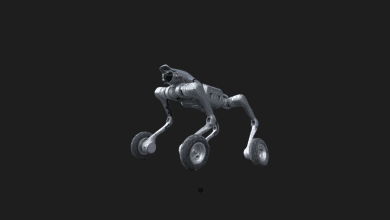
- The Hybrid Robot Revolution: Unitree’s AS2-W Blurs the Line Between Industry and the Battlefield
- AI Diaries: Weekly AI News and Updates (July 28, 2026)
- Inside the Freelander 8: The Ultimate Luxury Tech Cabin Revealed
-
-
-

-

-
-
-
-

-

-
-
-