
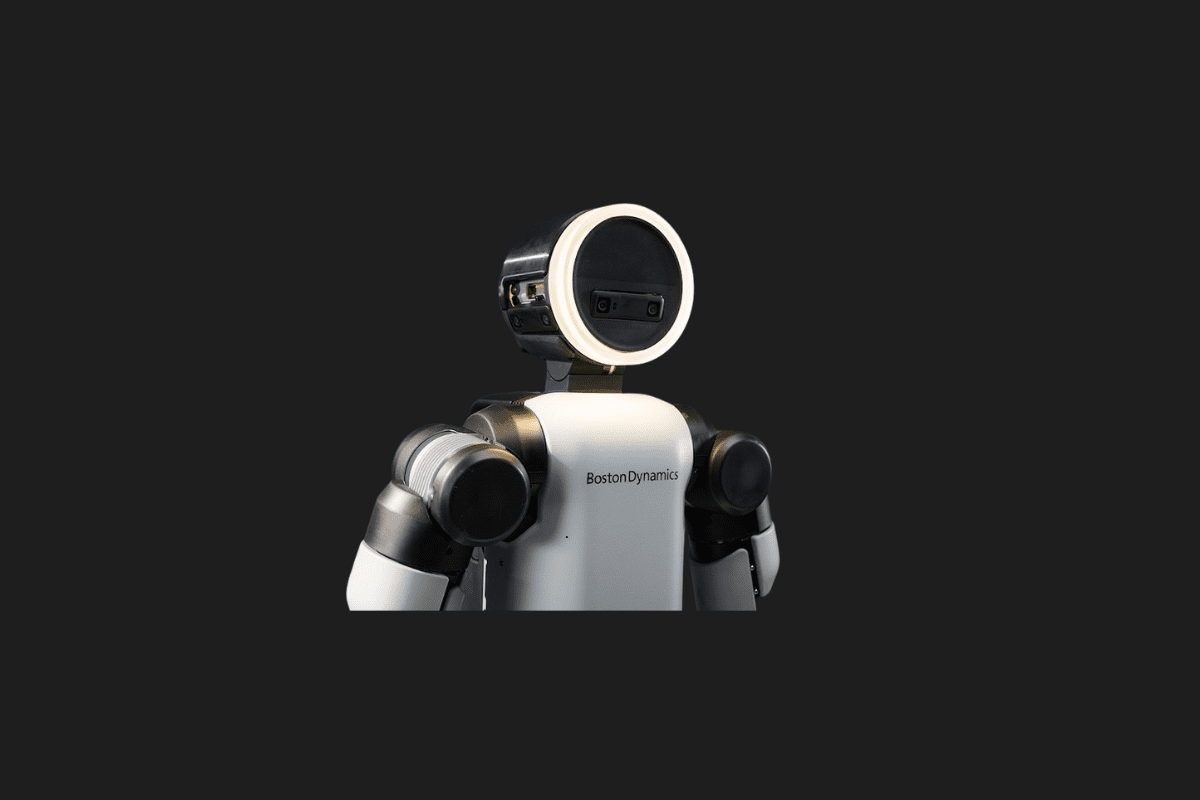
I still remember watching those early Boston Dynamics videos where their robots were clumsily stumbling over boxes or doing awkward backflips. Fast forward to today, and those same robots are about to become full-time factory employees. Hyundai has just made a massive move that proves the humanoid robotic era isn’t just a sci-fi concept anymore—it’s our immediate reality.
I’ve been digging into the details of Hyundai’s latest acquisition, and honestly, the implications for both the tech industry and the everyday worker are staggering. Let’s break down exactly what this means and why it’s going to change the manufacturing landscape forever.
The Final Piece of the Puzzle: 100% Ownership

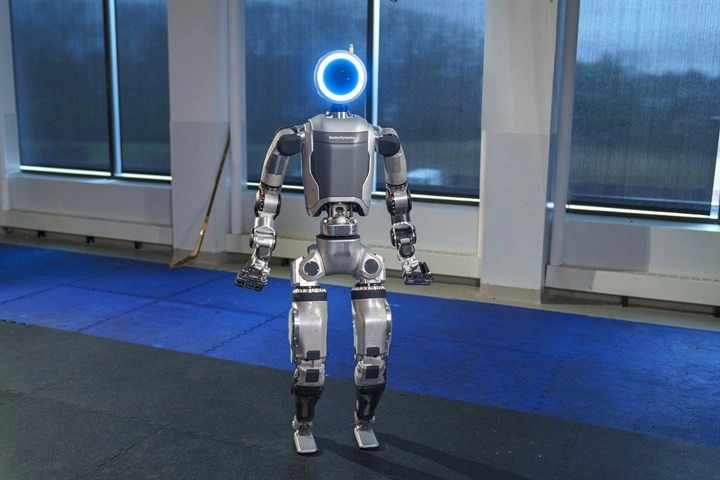
Hyundai Motor Group is no longer just “investing” in Boston Dynamics; they are locking it down entirely. By snapping up the remaining 10% stake held by SoftBank Group, Hyundai is turning the iconic robotics company into a wholly-owned subsidiary.
- The Financials: While official numbers are kept under wraps, reports suggest this final transaction is valued at around $335 million (500 billion won).
- The Timeline: Hyundai originally bought an 80% chunk back in 2021. This final move gives them absolute strategic control.
For me, this signals a massive shift. Hyundai isn’t buying Boston Dynamics just for R&D flexes; they are buying it to completely overhaul their production lines.
Meet Your New Co-Worker: Atlas


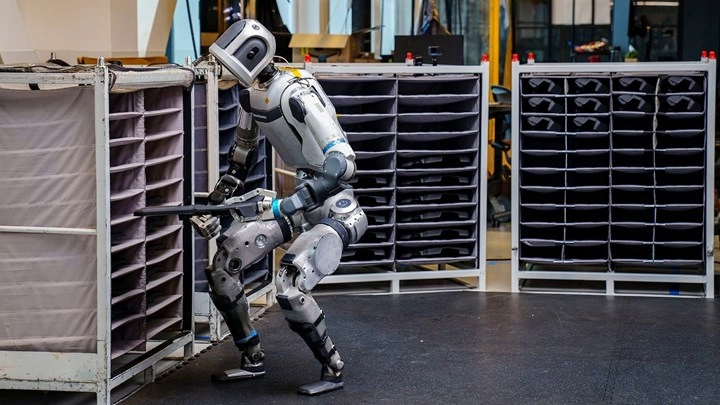
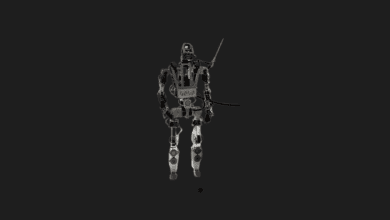
The undisputed star of this takeover is Atlas, the highly advanced humanoid robot. If you thought Atlas was just built for viral parkour videos, think again. Hyundai has a very clear, aggressive roadmap for integrating these machines into their workforce:
- 2028 – The Initiation: Atlas will officially clock in at Hyundai’s production facility in Georgia, USA. Its first gig? Sorting parts.
- 2030 – Full Assembly: Within two years of deployment, Hyundai plans to upgrade Atlas’s job description to include complex component assembly alongside human workers.
I find it fascinating that we now have concrete timelines for humanoid robots hitting the factory floor. It forces us to stop asking if this will happen and start dealing with how it’s happening right now.
The Human Cost: Automation Anxiety and Union Pushback

Of course, you can’t drop an army of tireless, hyper-efficient robots into a factory without making the human workforce incredibly nervous. And this is where the story gets deeply real.
This historic acquisition drops right in the middle of heated wage negotiations with Hyundai’s labor union. The workers are pushing back, and frankly, I completely understand their anxiety. Here is what is happening on the ground:
- Active Strikes: The union already staged partial strikes recently and scheduled four-hour walkouts between July 20-22.
- Demands: They aren’t just asking for job security; they want 30% of the company’s net profit allocated as bonuses.
- The Demographic Cliff: The union’s math paints a grim picture. Out of nearly 25,000 members, about 2,000 are set to retire every year until 2032. If Hyundai replaces those retirees with Atlas robots instead of human hires, union membership will plummet by 40% (around 10,000 people) in less than a decade.
My Takeaway
We are watching a real-time collision between cutting-edge automation and traditional labor rights. Hyundai’s full acquisition of Boston Dynamics is a monumental leap for technology, but it’s also a harsh wake-up call for the global workforce. We are moving past the “wow” factor of robotics and entering the messy, complicated phase of integration.
If robots like Atlas are going to build our future cars, how do we ensure the workers who built the company’s legacy aren’t left behind in the dust?
I’d love to hear your thoughts on this. Would you feel comfortable working on an assembly line right next to a humanoid robot, or do you think the unions are right to sound the alarm?
You Might Also Like;
- Samsung Enters the Robotics Arms Race: Inside the New RX Unit
- The Danger of AI Confidence: Why We Are More Wrong Than Ever
- The Hidden Threat Above Us: Are We Facing a Nuclear Arms Race in Space?
-

-
-
-
-
-

-
-
-
-
-
-

