I’ve been closely tracking the Artemis program since its inception, and the recent announcement regarding Artemis III just completely flipped the script on what we expected. If you thought this was the mission where humanity finally steps back onto the lunar surface, think again.
The newly revealed crew won’t be heading to the Moon’s surface—or even its orbit. Instead, they are gearing up for one of the most complex, high-stakes orbital rehearsals in spaceflight history right here in Low Earth Orbit (LEO). Let’s dive into what this massive pivot means, who is flying, and why I think this might actually be the smartest (and most nerve-wracking) decision NASA has made in a while.
Meet the Artemis III Crew

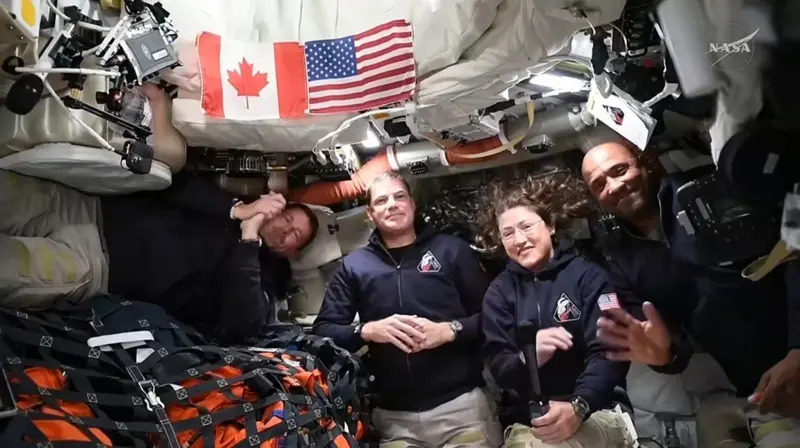
NASA isn’t taking any chances with this test flight. They’ve selected a highly experienced, military-background roster to bridge the gap between Artemis II (the lunar flyby) and Artemis IV (the actual lunar landing).
Here is the elite four-person crew assigned to the mission:
- Randy Bresnik (NASA): Commander
- Luca Parmitano (ESA): Pilot
- Andre Douglas (NASA): Mission Specialist
- Frank Rubio (NASA): Mission Specialist
Seeing Luca Parmitano on this list is fantastic; it highlights the deep collaboration with the European Space Agency. But what exactly are these four going to be doing if they aren’t going to the Moon?
The Pivot to Low Earth Orbit: Why Bother?


A few months ago, NASA quietly slipped this LEO mission into the Artemis schedule. Under the leadership of NASA Administrator Jared Isaacman, the agency recognized a brutal reality: trying out untested, multi-billion-dollar docking procedures in deep space for the very first time is a recipe for disaster.
By testing these critical systems in actual flight conditions closer to home, they are drastically minimizing operational risks. If something goes wrong in Earth’s orbit, the crew has a much safer and faster abort trajectory back home compared to being stranded out near the Moon.
A High-Stakes Orbital Dance: The Three-Launch Plan

This is where the mission profile gets wild. I was analyzing the flight plan, and it honestly reads like a sci-fi movie script. Artemis III isn’t just one launch; it will require three separate launches and two major docking operations. Here is how it will play out over roughly two weeks:
- The Blue Origin Lander: First, a Blue Moon lander (developed by Blue Origin) will launch into space. It will essentially park itself in Earth orbit, where it can wait for up to 90 days.
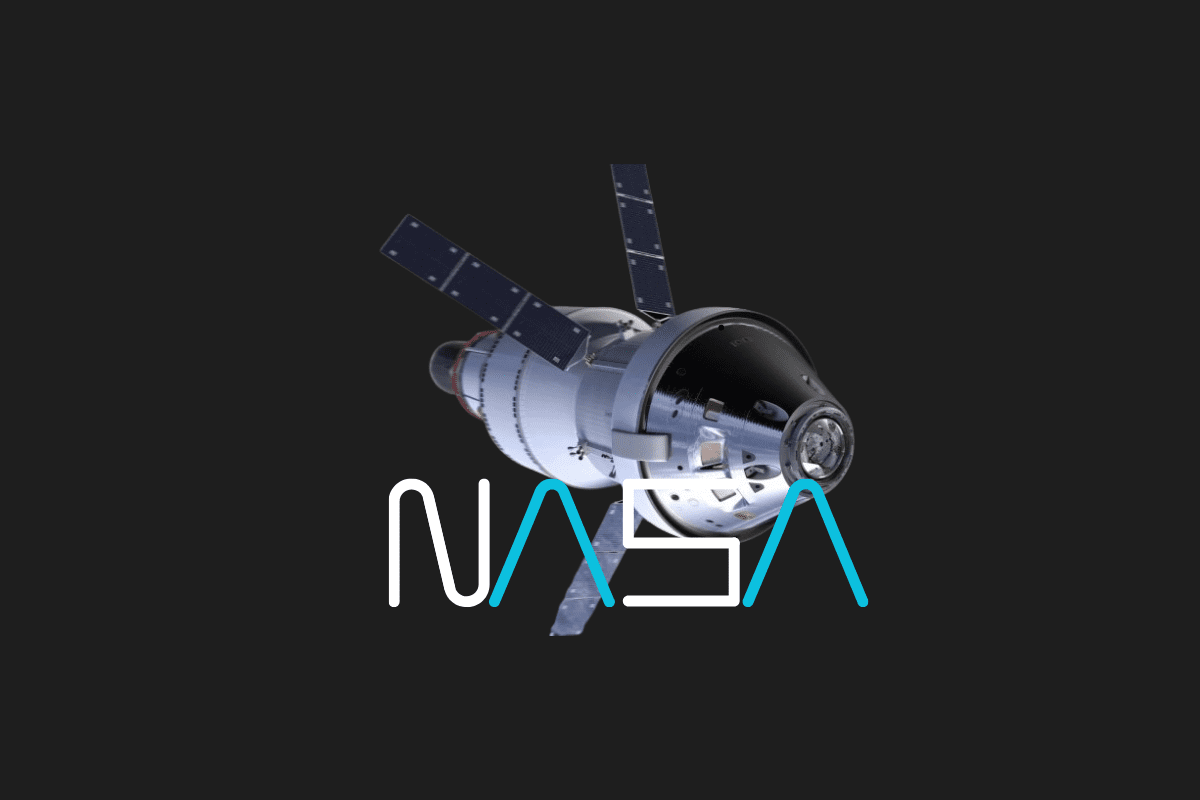
- The Human Element: Next, our four-person crew will launch aboard the Orion spacecraft, propelled by the massive Space Launch System (SLS) rocket.
- The First Docking: Orion will meet up with the waiting Blue Moon lander. The crew will dock, transfer into the lander, and put its life support systems through a grueling real-world test. They need to ensure this vehicle is a safe haven before anyone trusts it in a lunar vacuum.
During all of this, the Orion spacecraft will serve as the primary flight control hub for the combined systems.
The SpaceX Starship Cameo

Just when you thought the choreography couldn’t get any more complex, SpaceX enters the chat.
The third launch of the mission involves sending a SpaceX Starship into orbit. According to NASA‘s briefing, this will be a relatively standard configuration of Starship, outfitted specifically with docking hardware.
After the crew finishes their checks on the Blue Moon lander, they will undock and fly Orion over to the Starship to perform a second docking maneuver. However, since this specific iteration of Starship won’t have human-rated life support systems active, the crew won’t actually board it. It’s purely a stress test of the docking mechanisms and orbital maneuvering capabilities.
Once this multi-ship ballet is complete, Orion will bring the crew home for a splashdown in the Pacific Ocean.
A Dress Rehearsal for Artemis IV
If everything goes perfectly, Artemis III will prove that the Orion spacecraft can seamlessly interact with two completely different lunar lander architectures. This experience is non-negotiable for the actual lunar landing planned for Artemis IV.
Jared Isaacman confidently told the press that he fully expects Artemis III to launch in 2027, paving the way for boots on the Moon in 2028. But I have to be honest with you—looking at the hardware development pipeline, that timeline feels incredibly aggressive.
The Reality Check: Can They Hit the 2027 Target?
I am all for optimism in spaceflight, but the uncertainty surrounding the launch vehicles is massive.
Take the May 28th explosion of Blue Origin’s New Glenn rocket, for example. That blast caused significant damage to the launch facility. New Glenn is specifically optimized to carry the Blue Moon lander into space. While Blue Origin claims they could be back to flying before the end of the year, a lot of industry insiders I’ve been reading suggest this could delay them by 12 to 18 months.
Add to that the ongoing developmental hurdles of SpaceX’s Starship, and you have a massive logistical puzzle where every piece needs to fit perfectly. NASA has made it clear: if the hardware isn’t ready, the mission doesn’t fly.
To me, this LEO test is brilliant because it forces all the commercial partners to actually prove their tech in space before human lives depend on them in lunar orbit. But managing three distinct launch vehicles from different companies in a single mission window? That is going to be a monumental challenge.
What do you think about this massive shift in the Artemis timeline? Is testing everything in Earth orbit first the smart, cautious play, or is it just a strategic delay to cover up hardware production issues from Blue Origin and SpaceX? Let’s discuss in the comments!
You Might Also Like;
- The New Era of Space Mechanics: Extending Satellite Lifespans
- AI Discovers Groundbreaking Non-Opioid Painkiller
- Mind Over Matter: What Neuralink’s First Human Trial Really Means for Our Future
-
-

-
-

-

-

-
-

-

-

-

-