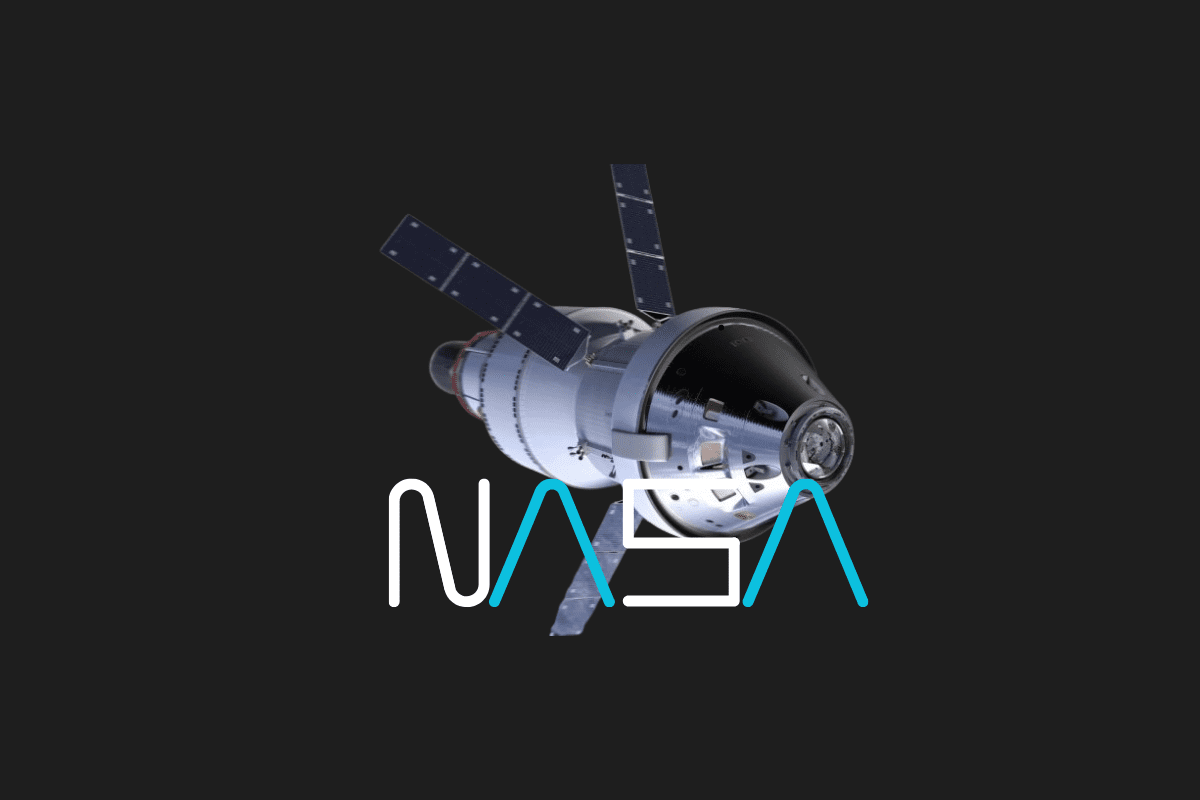
NASA’s Artemis 2 mission, the highly anticipated first crewed flight around the Moon in over 50 years, has faced another setback. Previously delayed due to hydrogen leaks, the mission’s timeline has shifted once more—this time owing to a helium flow issue in the upper stage of the Space Launch System (SLS) rocket.
The wait for the historic launch is now expected to extend into April.
The Helium Flow Problem


During preparations at the Kennedy Space Center, a disruption in the helium flow to the SLS’s Interim Cryogenic Propulsion Stage (ICPS) was detected in the early hours of February 21.
To pinpoint the root cause and execute necessary repairs, NASA decided to roll the rocket back from the launch pad to the Vehicle Assembly Building (VAB)—a four-mile journey scheduled to take place around February 24.
Why is Helium Crucial?

For those unfamiliar with rocket mechanics, helium plays a vital role in the launch process:
- Pressurization: It is used to pressurize the liquid hydrogen and liquid oxygen tanks.
- Environmental Control: It ensures the upper stage engine operates under the correct environmental conditions.
According to NASA, the systems functioned correctly during the “Wet Dress Rehearsal.” However, during the transition to normal operations post-test, the helium failed to flow as intended. The upper stage is currently being maintained in a safe configuration using a backup method.
What’s Next for Artemis 2?

This recent development has officially ruled out the launch window previously set for March 6. NASA official Jared Isaacman confirmed that rolling the rocket back to the VAB eliminates the March option entirely.
While the agency maintains that there is a possibility of preserving the April launch window, this heavily depends on the upcoming data analysis and the duration of the repair process.
Mission Overview:
- Duration: Approximately 10 days.
- Scope: The first crewed flight of the SLS rocket, taking astronauts on a journey around the Moon inside the Orion spacecraft.
- Caution Over Speed: Originally targeted for early February and then shifted to March, the schedule remains fluid. NASA is clearly unwilling to take any risks with this critical mission, even if consecutive technical issues push the timeline further into uncertainty.
You Might Also Like;
- The New Era of Space Mechanics: Extending Satellite Lifespans
- AI Discovers Groundbreaking Non-Opioid Painkiller
- Mind Over Matter: What Neuralink’s First Human Trial Really Means for Our Future
-
-
-
-
-

-

-
-

-
-

-
-