The projected size of the Metaverse market is being reshaped as early, overly optimistic forecasts give way to more robust and realistic growth. According to current 2024-2025 reports, the market is expected to stabilize around the $110–160 billion range in 2025, while the long-term vision of exceeding $1.5 trillion by 2030 remains strong. This growth positions the Metaverse not just as a gaming frontier, but as an industrial and social revolution.
5G and the Infrastructure Revolution
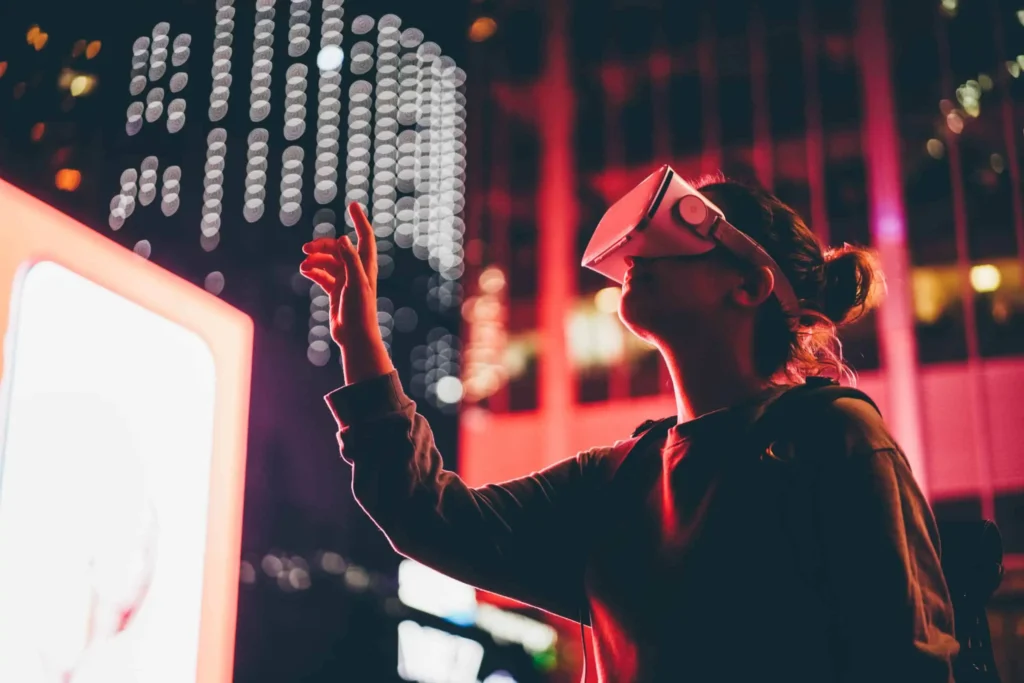
The widespread adoption of 5G technology is democratizing access to Metaverse projects. With its low latency and high bandwidth capabilities, the need for bulky hardware is diminishing. This enables seamless, high-resolution virtual experiences directly on mobile devices, ensuring instant connectivity without interruptions.
The Maturity Phase of Web3, Blockchain, and NFTs
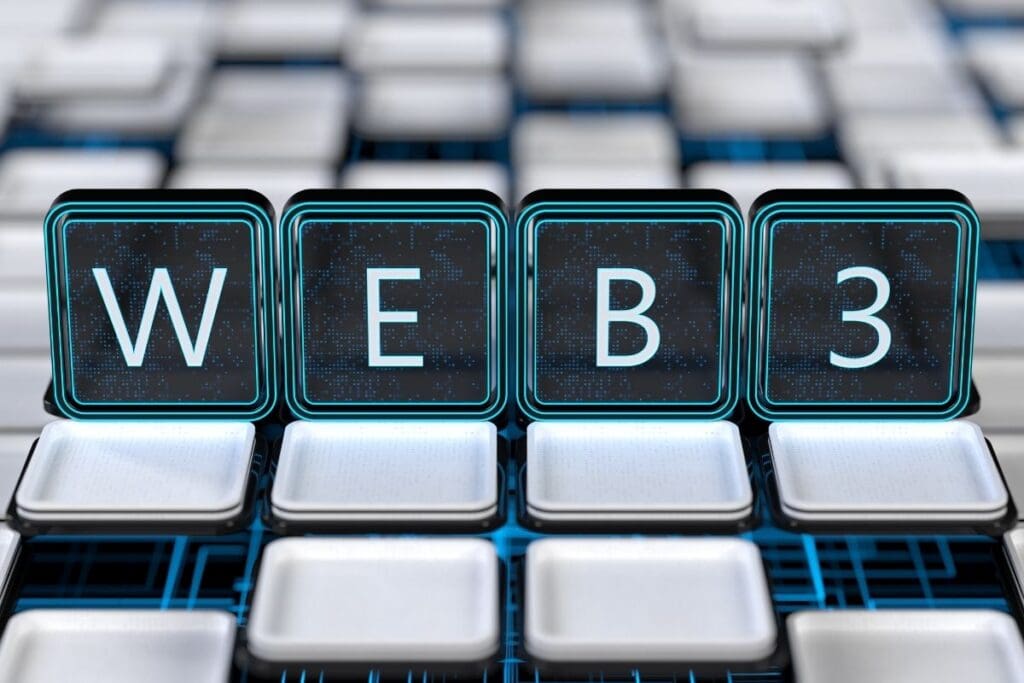
Web3, once associated primarily with crypto market volatility, is entering a “utility-based” era.
- NFTs: Moving beyond digital art, they are evolving into functional tools for digital identity, deeds, ticketing, and loyalty programs.
- Blockchain: It forms the transparent, secure, and decentralized backbone of the Metaverse economy, ensuring true user ownership of digital assets.
5 Key Technologies Powering the Metaverse

In future visions, five distinct technologies stand out as the pillars supporting this ecosystem:
- Artificial Intelligence (AI): Used not only for NPCs (non-player characters) but also for content creation (Generative AI), real-time language translation, and crafting personalized user experiences.
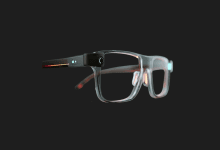
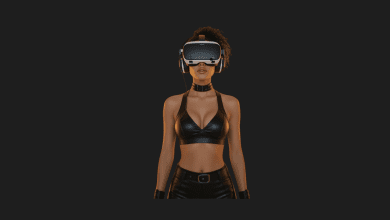
- Augmented and Virtual Reality (AR/VR): Builds the visual bridge between the physical and digital worlds, providing the essential “immersive” experience.
- Blockchain and Crypto Assets: Provides the infrastructure for a decentralized economy, proof of digital ownership, and secure value transfer.
- Internet of Things (IoT): Enables the transfer of physical world data (e.g., weather, traffic, or smart home data) into Digital Twins, creating real-time synchronization.
- 5G and Edge Computing: Processes data at the source to minimize latency, making the Metaverse feel truly “real-time.”
Why Does This Matter? (Strategic Note)
This landscape indicates a crucial shift: The Metaverse is not a “destination,” but a new communication layer of the internet. For brands and individuals, the real opportunity lies not just in buying virtual land, but in the new business models (Education, Healthcare, Retail, Industrial Design) created by the integration of these five technologies.
You may also like this content