
Hey everyone, it’s Ugu. I was digging through the latest updates on space exploration recently, and something truly mind-bending caught my eye. We usually picture astronauts in those bulky, purely utilitarian white suits, right? Well, it seems the upcoming lunar missions are getting a massive upgrade—and a surprisingly stylish one. High fashion is officially leaving Earth’s atmosphere.
When I first read that NASA’s Artemis IV mission would feature gear co-developed by the Italian luxury powerhouse Prada, I honestly thought it was a late April Fools’ joke. But as I dove deeper into the technical specs, I realized this is far from a mere marketing stunt. It’s a fascinating leap in life-support technology and material science. Let me break down exactly what Axiom Space and Prada are building for the next generation of moonwalkers.
Beyond Aesthetics: The Axiom Space and Prada Partnership
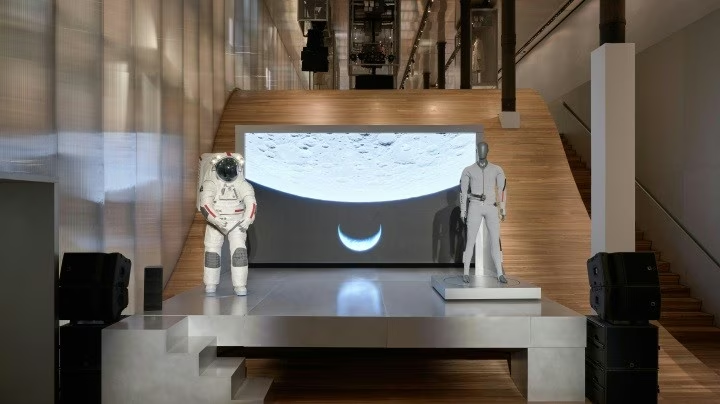
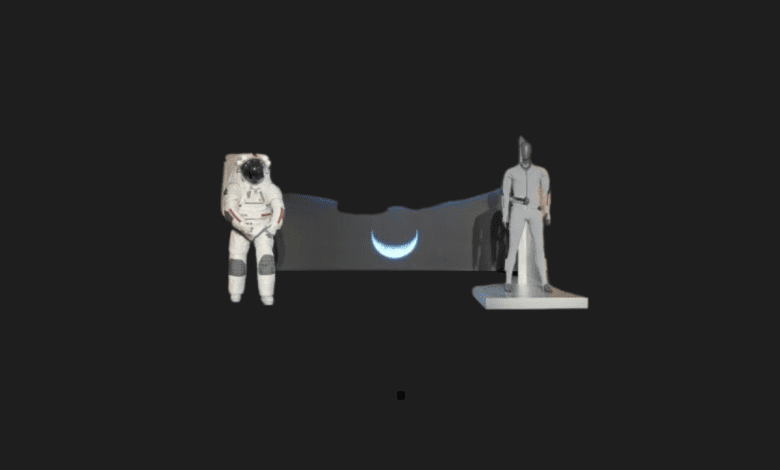
For a long time, the traditional aerospace industry relied solely on legacy military and aviation contractors to build spacesuits. While those suits (like the ones used in the Apollo missions) got the job done, they were notoriously rigid, heavy, and exhausting to move around in.
Enter Axiom Space. They were tasked with developing the next-generation spacesuit, the Axiom Extravehicular Mobility Unit (AxEMU). But instead of doing it all in-house, they looked at Prada’s decades of experience with advanced fabrics, composite materials, and human-centric design.
I think this is a brilliant move. Prada isn’t just making the suits look good for the cameras; they are engineering the internal layers that will keep astronauts comfortable and alive during grueling, multi-hour spacewalks in one of the most hostile environments known to humanity.
The Heart of the Suit: The LCVG System Explained
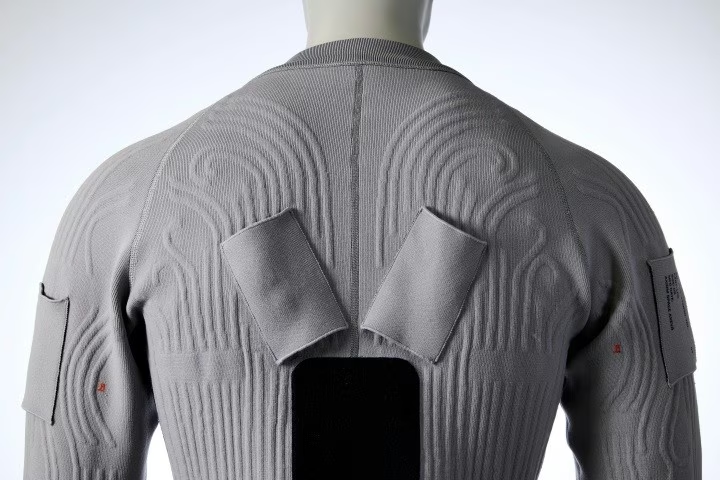
The latest piece of tech to be revealed from this collaboration is the Liquid Cooling and Ventilation Garment (LCVG). Think of this as the ultimate base layer. It’s the inner garment worn directly against the astronaut’s skin, right underneath the bulky exterior of the AxEMU.


If you are walking on the Moon, you aren’t just dealing with the vacuum of space; you are dealing with extreme thermal swings. The LCVG is specifically designed to manage the intense metabolic heat generated by an astronaut working hard on the lunar surface.
Here is why the LCVG is an absolute game-changer:
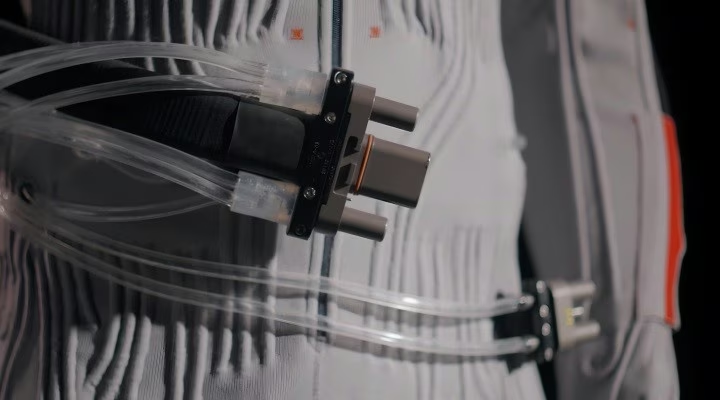
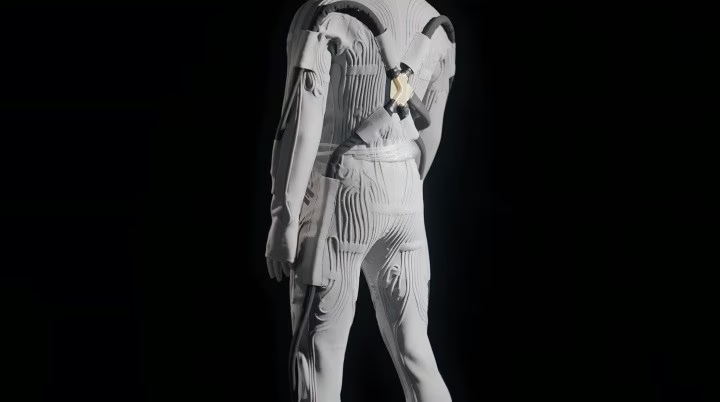
- Integrated Fluid Cooling: The garment fits tightly to the body and is woven with a complex network of specialized tubes. Cold water continuously circulates through these tubes, absorbing and carrying away excess body heat.
- Fail-Safe Redundancy: Unlike some previous generations of cooling systems, this new Prada-designed LCVG features a built-in redundant cooling mechanism. If the primary system fails while an astronaut is kilometers away from the lander, the backup kicks in. When you are on the Moon, redundancy isn’t a luxury; it is survival.
- Seamless Life Support Integration: The LCVG isn’t just for cooling. It acts as the central hub for the suit’s breathing apparatus. It channels fresh, purified oxygen directly to the helmet while simultaneously capturing the carbon dioxide the astronaut exhales, routing it back to the suit’s scrubbing system.
Overcoming the Lunar Environment
When I look at the engineering here, I’m genuinely impressed by the sheer practicality of it. The Moon’s surface is covered in razor-sharp, highly abrasive regolith (lunar dust). Furthermore, temperatures can swing from a boiling 120°C in the sunlight to a freezing -130°C in the shadows.
The outer layers of the AxEMU handle the micrometeoroids and the extreme external temperatures, but the LCVG handles the internal microclimate. By utilizing Prada’s advanced textile manufacturing techniques, Axiom has managed to create a cooling layer that is highly flexible, allowing astronauts to crouch, bend, and work without fighting their own gear.
The Rise of “Extraterrestrial Haute Couture”
This brings up a fascinating trend I’ve been tracking across the tech and commercial space sectors. Space fashion is becoming a legitimate, highly funded industry. We are seeing a massive shift where consumer brands are bringing their R&D budgets to the aerospace table.
Prada might be the first major luxury brand to deeply integrate into a NASA lunar mission, but they aren’t alone in looking to the stars:
- Under Armour & Virgin Galactic: They partnered up a while back to design the base layers and spacesuits for Virgin’s commercial spaceflight passengers, focusing on high-tech athletic mobility.
- Columbia Sportswear & Intuitive Machines: Columbia has actively been testing its proprietary thermal reflective technology (the same stuff in their winter jackets) on lunar landers to protect delicate equipment from the harsh extremes of space.
Why Are Consumer Brands Going to Space?
From a business perspective, the logic is sound. First, we are entering the era of commercial spaceflight. The companies building the infrastructure today want to position themselves as the premium choice for the high-net-worth individuals who will be the first space tourists tomorrow.
Secondly, it’s about pushing the absolute limits of material science. The fabrics and composite techniques Prada develops for the AxEMU will undoubtedly trickle down into their terrestrial product lines. It’s the ultimate stress test. If a fabric blend can survive the South Pole of the Moon, it can probably survive a rainy Tuesday in London or a hiking trip in the Alps.
The Future is Functional
As someone who loves watching the intersection of different industries, this Axiom and Prada collaboration is incredibly exciting. It proves that the future of space exploration won’t just be built by traditional engineers in sterile labs; it will be built by a diverse coalition of experts, including those who understand the nuances of human comfort and textile performance.
The Artemis missions are going to lay the groundwork for a permanent human presence on the Moon, and eventually, Mars. Knowing that the pioneers building those extraterrestrial bases will be equipped with gear that is both highly advanced and ergonomically perfected makes me even more optimistic about our timeline for deep space colonization.
So, here is what I want to ask you all: As space travel becomes more commercialized, do you think we will see a “brand war” in orbital equipment, or will functionality always strictly overrule design? Would you trust a luxury fashion brand with your life support system in the vacuum of space? Let’s discuss it in the comments below!
You Might Also Like;