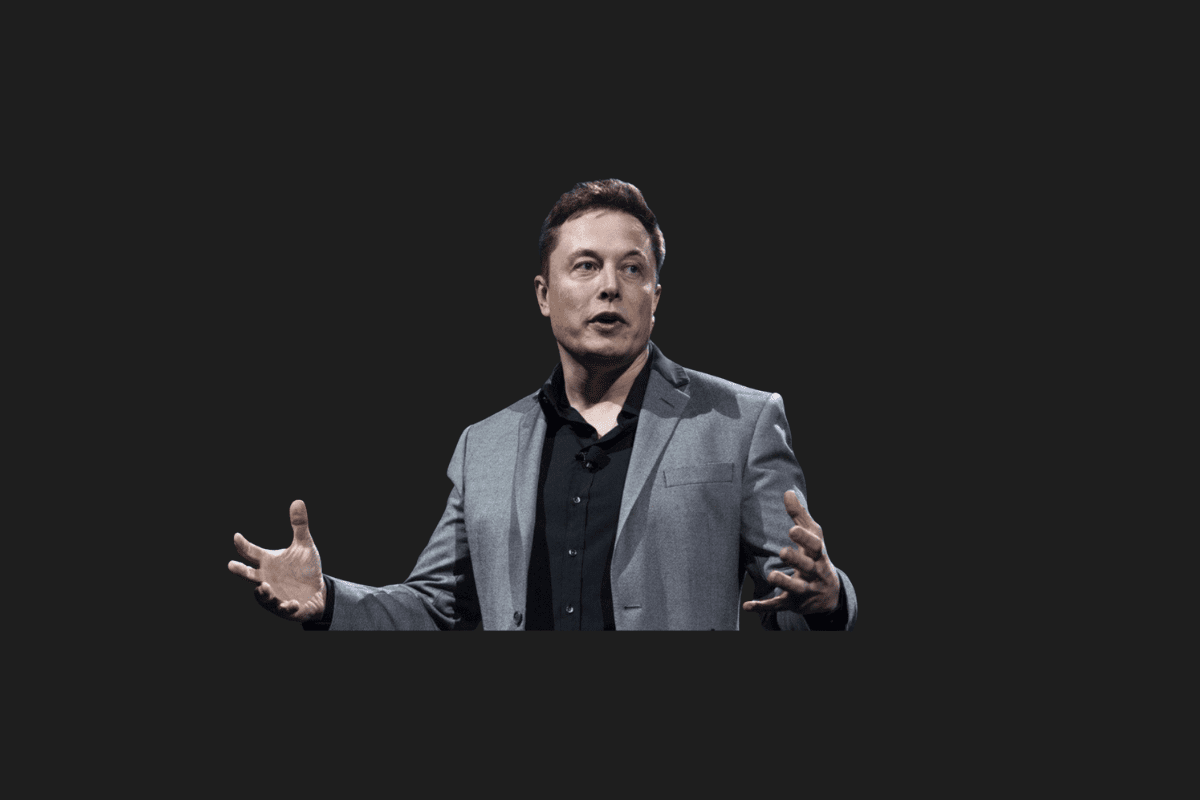
Elon Musk is gearing up to unveil “TeraFab” next week, a massive semiconductor manufacturing project designed to solve Tesla’s supply chain bottlenecks and reduce the United States’ heavy reliance on foreign chip production.
Elon Musk, one of the tech world’s most debated and ambitious entrepreneurs, is back in the spotlight with a groundbreaking plan that could shift the balance of power in the semiconductor industry. The Tesla CEO is expected to reveal the details of a massive new production facility next week—one that could easily become the world’s largest chip factory. Appropriately named TeraFab, this mega-project signals Musk’s intent to aggressively enter the semiconductor space.
Official Announcement Expected Next Week


Driven by the recent artificial intelligence boom, demand within the semiconductor sector has hit record highs. This surge has created severe supply bottlenecks for both automotive and tech giants, with Tesla being no exception.
According to Musk’s recent statements on social media, the TeraFab project will be officially announced in about seven days. While specific technical details remain under wraps, Musk’s past remarks suggest an incredibly ambitious target. Initial plans indicate that TeraFab will have the capacity to produce between 100 billion and 200 billion chips annually. Theoretically, this staggering volume could surpass the output of TSMC, the Taiwanese semiconductor behemoth. While overtaking TSMC’s total capacity in the short-to-medium term is highly unlikely regardless of the investment size, establishing it as a long-term goal is classic Musk.
Unconventional Methods and Industry Skepticism


What remains unknown about TeraFab is just as intriguing as what is known. A major point of discussion is the speculation that TeraFab might operate on a completely different model than traditional semiconductor foundries.
In previous discussions, Musk hinted at an approach that could bypass the strict “clean room” requirements—a staple of classic chip manufacturing. Because maintaining an environment with near-zero particulate matter is critical to semiconductor fabrication, industry experts have serious doubts about how a factory could successfully operate without it. Consequently, many specialists view Musk’s targets as overly ambitious, noting the extreme complexity and astronomical costs associated with chip manufacturing.
Potential Partnerships: TSMC or Intel?


Given the hurdles of building a foundry from scratch, the most plausible scenario for realizing TeraFab involves licensing agreements or strategic partnerships with established chipmakers. Under this model, Tesla could provide the massive financial backing required to build new production lines rather than developing proprietary manufacturing technology from the ground up.
Two major players stand out for potential collaboration:
- TSMC: The undisputed global leader in semiconductor manufacturing is known to be open to capacity reservation models for its future production lines.
- Intel: As the US-based tech giant aggressively expands its Intel Foundry services, a partnership with Tesla is a strong possibility. Musk has previously floated the idea of a potential manufacturing alliance with Intel.
A Geopolitical Strategy for the US
The strategic motivation behind TeraFab extends far beyond Tesla’s immediate production needs. Today, major US tech companies are overwhelmingly dependent on Asian facilities for their semiconductor supply.
For “fabless” companies that design chips but do not manufacture them—such as Nvidia, AMD, and Tesla—this heavy reliance on overseas production lines poses a significant geopolitical risk. In this context, Musk’s TeraFab project is not merely a solution for Tesla; it is viewed as a critical initiative aimed at fortifying the broader US semiconductor ecosystem and securing domestic technological independence.
You Might Also Like;
- A Midnight Stroll with a Humanoid Robot: Why the Macau Incident Changes Everything
- Unitree PUMP MAX Review: The Ultimate Portable Smart Gym
- The End of an Era: Breaking Down the Epic Dune: Part Three Trailer
-
-
-
-

-
-
-

-

-

-
-

-