There are many crypto tracking applications available, but each of these apps is in communication with one another. So, how exactly do these processes take place? Seeing Bitcoin or Ethereum prices change in milliseconds every time you swipe your phone screen might seem interesting when you think about the logic behind it, but a massive data traffic and technological operation ensure all of this.
While you are sipping your coffee, that popular tracking app you use is actually connected to hundreds of different crypto exchanges around the world via invisible digital cables and filters through millions of buy-sell data coming from there. So, how does traffic flow on this huge data highway without congestion or accidents? Let’s look behind the scenes together.
The “Open Phone Line” Established with Exchanges
At the heart of these applications lie special connection protocols called API (Application Programming Interface). You can think of this as a private and never-closing phone line established by the tracking app with each exchange. In old systems, the app had to constantly ask the exchange “Has the price changed?”, but today, thanks to WebSocket technology, this communication happens much faster.
Shutterstock
The moment a transaction occurs on the exchange side, the information is automatically pushed to the application. In other words, the app doesn’t constantly ask questions; it just opens its ears and listens. Instant data streams coming from giant exchanges like Binance, Coinbase, or Kraken pour onto the app’s servers like rain, and the system needs to catch these drops not one by one, but as a whole.
How is the Price Average Calculated?
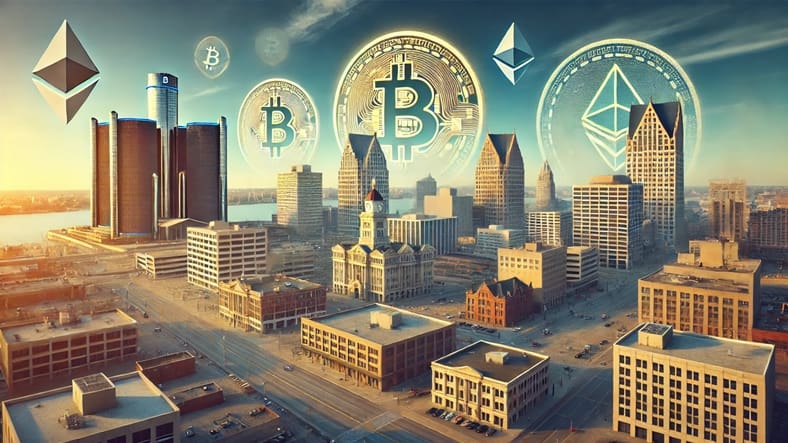
After the data is collected, the real hard work begins because Bitcoin‘s price is not millimetrically the same on every exchange. The price might be $45,000 on one exchange while it is $45,005 on another. At this point, the application works like a giant calculator and activates the “weighted average” method. This method does not just mean adding up the prices and dividing by the number of exchanges; it trusts the price of the exchange with high volume more.
In other words, the price on an exchange where millions of dollars turn over is considered more dominant than the price on a small exchange where very few transactions are made. All these calculations are performed by powerful processors on the server side in a time much shorter than the blink of an eye and are reflected on your screen as the “global average price“.
Cloud Technology and Flexible Server Power

In moments when millions of users enter the application simultaneously—for example, during a bull season when the market is very active—”cloud computing” steps in to prevent the system from crashing. These applications generally do not work with fixed computer power; they use flexible servers that can automatically grow as traffic increases. Just like opening new registers immediately when the checkout line gets long in a supermarket, when the number of users entering the app or the amount of data to be processed increases, the system automatically activates new servers.
Traffic police called load balancers distribute incoming requests equally to these servers, ensuring that no one’s screen freezes. Thanks to this, the application continues to work at the same speed whether one thousand or one million people are using it.
Caching Tactic
Finally, one of the biggest secrets of speed is “caching” technology. Instead of going to the database and making a query from scratch for every user’s request, the application keeps the most up-to-date price data in a temporary memory that can be accessed very quickly. When you open the app, the system doesn’t bother finding and fetching data from the archive; it presents you with the data already “waiting on the counter.”
This process is so fast that the latency between the processing of the data and your seeing it drops to almost zero. All these processes—API connections, weighted average calculations, cloud servers, and caching systems—continue to work in perfect harmony in the background while you simply perform the “refresh page” action.
You Might Also Like;
- We Selected 10 Series Similar to Stranger Things for Those Who Love It
- Where and How is Silver Used in Electric Vehicles?
- Hyundai Unveils Its Multi-Purpose Wheeled Robot
Follow us on TWITTER (X) and be instantly informed about the latest developments…