

A year-long search for a missing climber in the Italian Alps has concluded with the body being found in just two days, thanks to an advanced artificial intelligence (AI) system. The case, reported by Le Figaro, highlights the potential for AI to revolutionize search and rescue efforts, especially in situations where traditional methods have failed.
How AI Found the Missing Climber
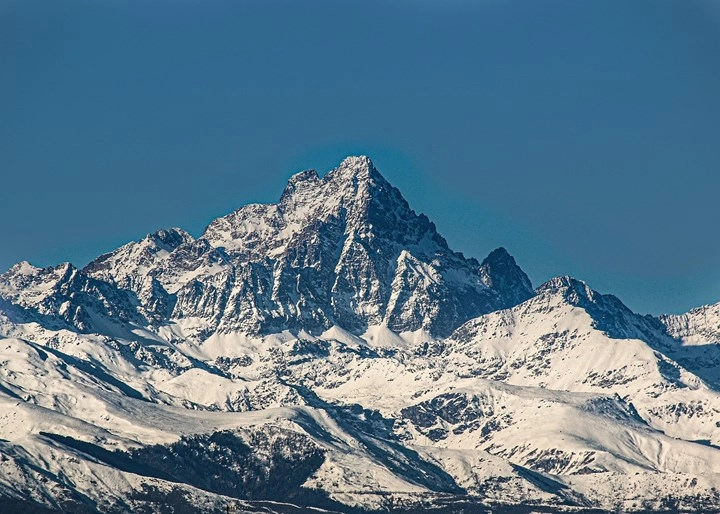
The operation began with a detailed photographic survey of the area where the climber’s phone had last been tracked. On July 29, a firefighting helicopter and several drones captured over 2,600 photos of a vast 183-hectare area. This created a massive dataset of high-resolution images.
The photos were then uploaded to a specialized AI software designed to detect “anomalies”—objects that don’t fit into the natural mountain landscape. The neural network analyzed every pixel of this enormous archive for two half-days. Its task was to identify anything out of place.
The AI’s analysis pinpointed three potential targets for further investigation. The most promising of these was a red helmet that stood out sharply against the natural rock and vegetation. On July 31, drone pilots revisited the precise location identified by the AI. The missing climber’s body was found on the northern slope of Monte Viso, at an altitude of approximately 3,150 meters.
The Future of Search and Rescue
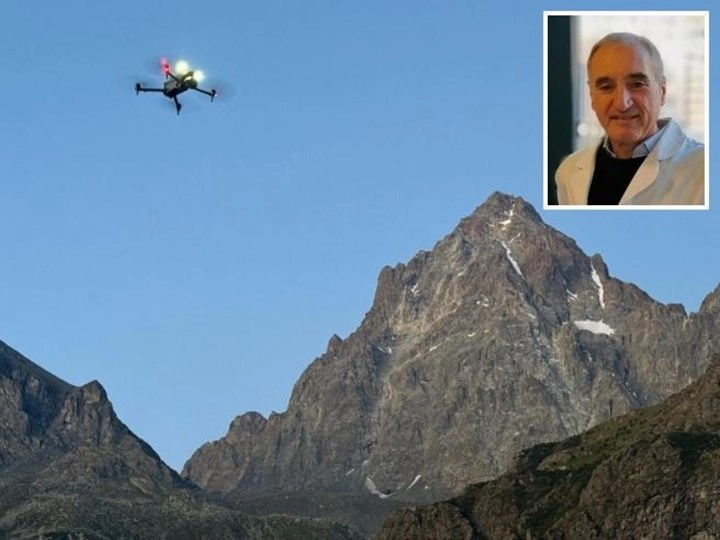
The successful use of AI in this case demonstrates its potential to become a critical tool in future search and rescue operations. By rapidly and accurately analyzing massive amounts of data, AI can significantly improve the chances of success, especially in scenarios where human effort and time are limited. This technology could save lives by dramatically reducing the time it takes to locate missing persons in challenging environments.
You Might Also Like;
- The New Era of Space Mechanics: Extending Satellite Lifespans
- AI Discovers Groundbreaking Non-Opioid Painkiller
- Mind Over Matter: What Neuralink’s First Human Trial Really Means for Our Future