









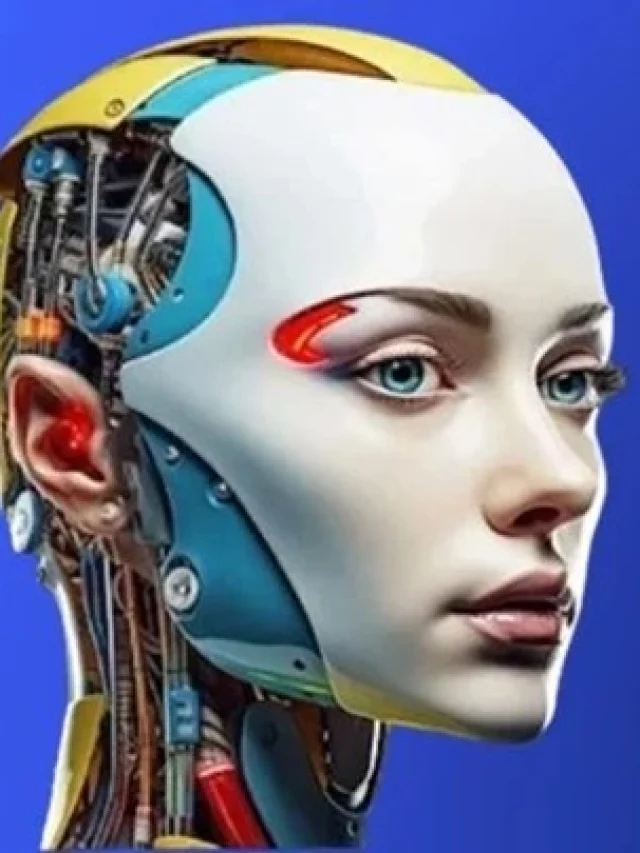
The End of Chatbots: The Rise of Autonomous AI Agents





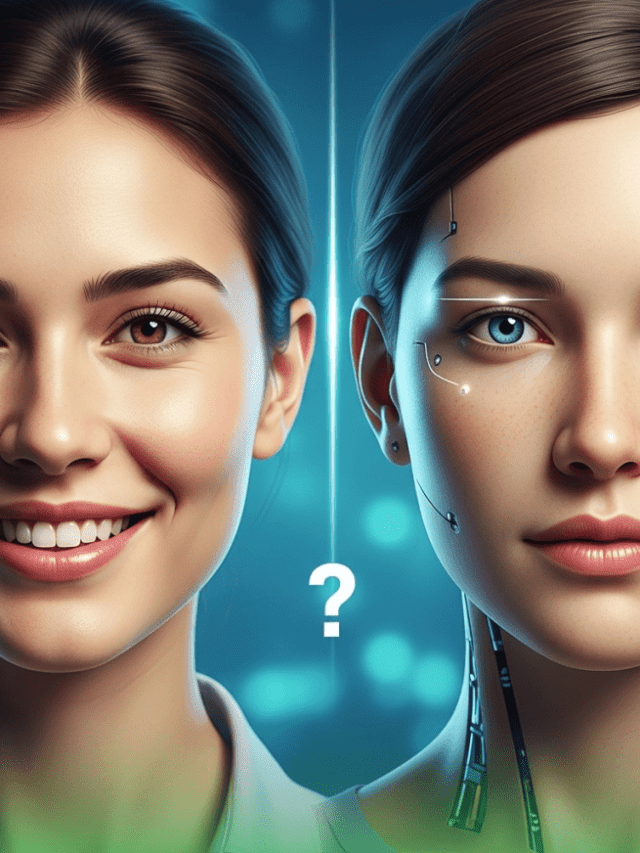





Top AI Tokens
Real-time market prices for Artificial Intelligence
Loading AI Data...









LATEST CONTENTS
-
Videos

The End of Chatbots: Why 2026 is the Year of AI Agents (And What It Means for Your Job)
For the past two years, the world has been obsessed with “chatting” with Artificial Intelligence. We asked ChatGPT to write…
Read More » -
AI Tools
Top 5 AI Tools to Generate 3D Models from Text
The world of 3D design is undergoing a massive transformation. Just as AI changed 2D image creation, Generative AI is…
Read More » -
AI Tools
5 Best AI Interior Design Tools to Redesign Your Room in 2026
Are you tired of staring at the same four walls? In 2026, you don’t need to hire an expensive interior…
Read More » -
Videos
Would You Choose a Robot Body or a Digital Mind?
Imagine the year is 2040. Medical science has hit a wall; your biological body is failing. But technology has opened…
Read More » -
AI Tools
3 Magic AI Tools You Need to Know for 2026 (Review & Pricing)
Remember the scenes in sci-fi movies where characters would say “Zoom and enhance” to a blurry photo, or speak fluently…
Read More » -
AI Tools
The Top 5 AI Writing Tools for Novel, Script, and Creative Fiction in 2026
The world of creative writing is being rapidly transformed by Artificial Intelligence. For novelists, screenwriters, and fiction authors, AI writing…
Read More »






AI Categories
About Artificial Intelligence
Artificial Intelligence (AI) is a rapidly evolving field that has significantly transformed various aspects of our lives in recent years. AI enables computers and machines to exhibit human-like intelligence, solving complex problems and providing personal assistance across a wide range of applications. In this article, we will explore the fundamental concepts of AI, its history, application areas, and what the future holds.
What is Artificial Intelligence?
Artificial Intelligence is a branch of computer science that enables computer systems to exhibit capabilities such as learning, reasoning, problem-solving, perception, and understanding language, akin to human intelligence. AI is generally categorized into two main types:
- Narrow AI (ANI): AI systems designed to perform specific tasks. Examples include voice assistants (Siri, Alexa) and chess-playing computers.
- General AI (AGI): AI systems capable of performing a wide range of tasks, learning, and adapting in a manner similar to human intelligence. This type of AI has not yet been fully developed.
History of Artificial Intelligence
The roots of artificial intelligence date back to the mid-20th century. In the 1950s, Alan Turing proposed the “Turing Test,” questioning whether machines could exhibit intelligent behavior equivalent to humans. In 1956, at the Dartmouth Conference, pioneers like John McCarthy and Marvin Minsky officially coined the term artificial intelligence. In its early years, AI research focused primarily on logic and symbolic reasoning. The 1980s saw the development of more advanced techniques such as neural networks and machine learning.
Applications of Artificial Intelligence
Artificial intelligence is now used across numerous sectors. Here are some significant application areas:
- Healthcare: AI plays a crucial role in medical diagnosis, personalized treatment plans, drug discovery, and disease monitoring.
- Finance: It is used for risk analysis, algorithmic trading, fraud detection, and customer service applications.
- Education: AI is utilized in personalized learning, automated grading systems, and student performance analysis.
- Automotive: Autonomous vehicles and driver assistance systems are among the most notable applications of AI.
- Retail: AI is used in customer behavior analysis, inventory management, and personalized marketing.
Future Perspectives
Artificial intelligence is expected to play an even more significant role in our lives in the future. Ethical and safety issues related to AI are among the most important future discussions. Topics such as the impact of AI on the workforce, data privacy, and algorithmic biases are critical issues that need careful consideration.
Artificial intelligence, as a leader in technological advancements, has the potential to make human life more efficient, comfortable, and effective. However, as we embrace the opportunities this technology offers, we must also consider the responsibilities and ethical challenges it brings. A smarter and more connected world awaits us in the future with AI.