A New Era in Drug Development: Artificial Intelligence Designs Antibodies That Do Not Exist in Nature

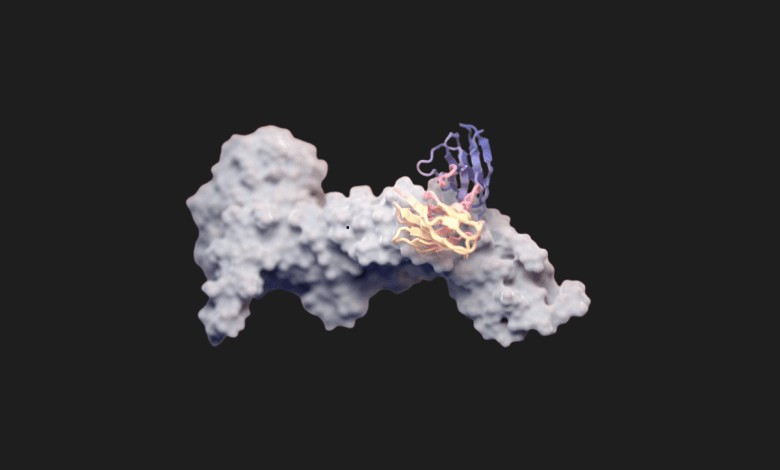

A team led by Nobel laureate David Baker used an advanced artificial intelligence named RFdiffusion to successfully design antibodies from scratch that do not exist in nature.
The leap in the field of artificial intelligence continues to trigger new breakthroughs in various sectors. Recent developments indicate that the pharmaceutical industry will be one of them. Indeed, another significant advancement has been achieved in this area, thanks to artificial intelligence.
You may recall that Google DeepMind, with its AlphaFold project, opened an important door in the field of drug development, providing an AI that enabled researchers to model complex biological structures in a computer environment. However, these models were still based on the analysis of existing proteins; meaning they were limited to copying or modifying structures that already exist in nature.
Nobel laureate David Baker and his team from the University of Washington have succeeded in crossing this boundary for the first time. The research team managed to design antibodies with atomic-level accuracy that have no counterpart in nature, using artificial intelligence.
At the heart of the study is an advanced generative artificial intelligence model called RFdiffusion. RFdiffusion can autonomously design not just specific regions, but the entirety of the antibodies. This enables a process known in biotechnology as “de novo protein design.” While existing methods can only optimize individual fragments of antibodies, RFdiffusion can create all the binding sites from the ground up. Since these regions are complex structures that allow antibodies to recognize target molecules such as viruses or toxins, the system’s ability to produce them from scratch is considered a turning point in biological design.
The Accuracy of AI-Generated Antibodies Was Tested and Verified
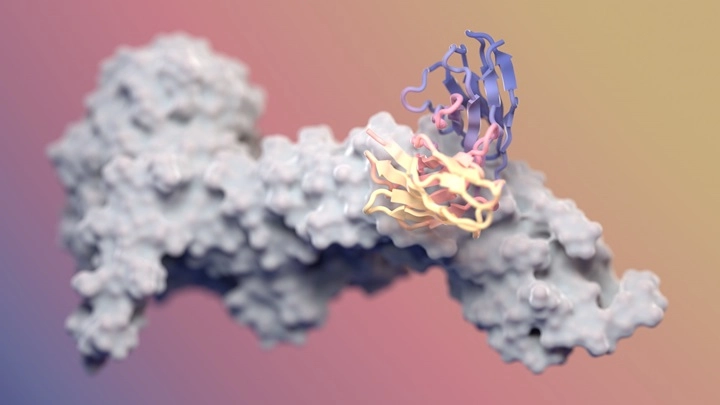
The accuracy of these new antibodies produced by artificial intelligence was tested at the atomic scale using cryo-electron microscopy (cryo-EM). The resulting structures almost perfectly matched the computer models. Deviations in some binding sites were reported to be at extremely small levels, such as only 0.3 angstroms. These results proved that artificial intelligence can create flawless designs at the molecular level. The AI-designed antibodies also showed success against challenging targets such as Clostridium difficile toxin and influenza hemagglutinin.


The commercialization of this technology, which could revolutionize drug development, has already begun. Xaira Therapeutics, co-founded by David Baker, acquired the usage rights for RFdiffusion and its derivative models, raising over $1 billion in investment. The company aims to reduce the time for drug development from years to weeks through AI-powered antibody design, and they are not alone in this endeavor. Major pharmaceutical companies are also moving in a similar direction. Therefore, we can expect many more such developments in the near future.
You Might Also Like;