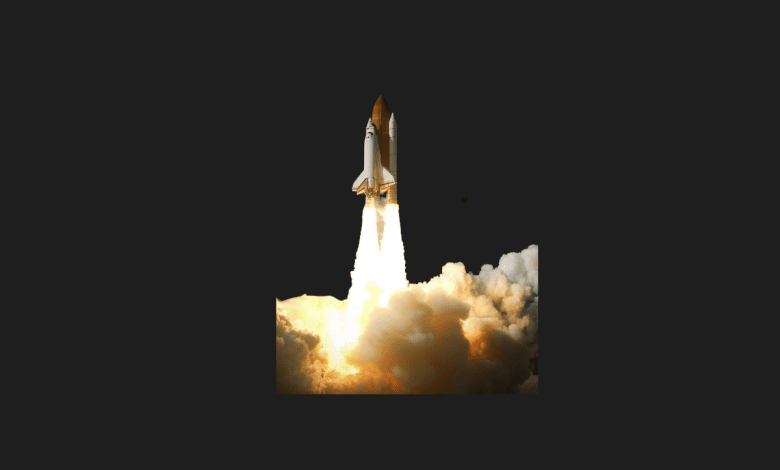

SpaceX has achieved a significant milestone with Starship, the largest and most powerful rocket ever built. In its 10th test flight on August 26, the rocket successfully met nearly all its mission objectives, marking a safe return for the company after previous failed attempts.
Launch and Success

The massive first stage, named Super Heavy, performed a controlled splashdown in the Gulf of Mexico about seven minutes after launch. This successful demonstration tested maneuvers that will help save fuel in future missions.
The upper stage, known as Ship, continued its mission flawlessly. After reaching its planned orbit, it successfully deployed eight dummy Starlink satellites, a crucial step that had failed in previous attempts. This achievement highlights Starship’s potential to carry 60 Starlink satellites into orbit in a single launch.
Second Engine Firing and Re-entry
Another significant part of the flight occurred about 38 minutes after launch when Ship’s engine successfully reignited in space for a second time. This re-firing test is vital for Starship’s long-duration missions to Mars and the Moon.
During its re-entry into the atmosphere, the rocket underwent a stress test. Some of the ceramic heat shield tiles on its outer surface were intentionally removed to test the rocket’s weak points, and new active-cooling metal coatings were also tested. Although some parts near the engine section broke off during re-entry, the vehicle continued its mission and made a soft, planned splashdown in the Indian Ocean 66.5 minutes after launch.
This successful flight shows that SpaceX is making great progress toward its space exploration and satellite launch goals. With this test, the company proved that both stages of the rocket can land safely.

You Might Also Like;