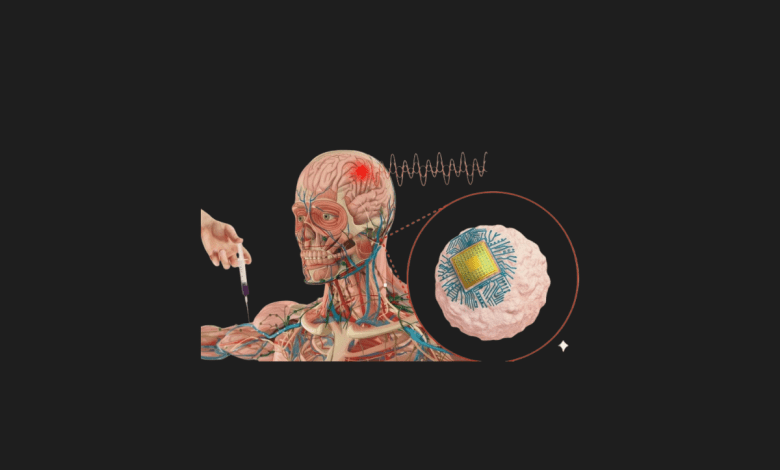

When I first started diving into the pharmaceutical industry’s next big moves, I was genuinely surprised by what I found. We have all seen how GLP-1 drugs like Ozempic completely flipped the script. What started as a focused treatment for diabetes morphed into a global weight-loss phenomenon, and now we are seeing its benefits for heart disease, kidney issues, and even sleep apnea. It is a true medical revolution.
But what if I told you the next massive leap in medicine isn’t about the gut, but the brain?
Drug companies are currently placing massive bets on a completely new class of drugs that target the brain’s wakefulness system. The magic word here is orexin, and after looking into the science behind it, I strongly believe this could be the next pharmaceutical gold rush. Here is a deep dive into why this matters and how it might rewire our approach to sleep, motivation, and mental health.
The First Orexin Pioneer is Already Here

On August 5th, the US drug regulators officially approved the first-ever orexin drug: oveporexton (Orzeyful), developed by the Japanese pharmaceutical giant Takeda.
This is a massive milestone. Orexins are essentially neurotransmitters that handle communication between neurons in our brain. They don’t just keep us awake; they are deeply tied to our attention, motivation, and reward mechanisms. By mimicking this natural system, scientists have turned a biological concept into a tangible treatment.
While this first drug is specifically approved for narcolepsy (a condition affecting about 1 in 2,000 people in the US, causing extreme daytime sleepiness and sudden sleep attacks), the industry’s ambitions are much larger.


The heavy hitters are already moving in:
- Alkermes, an Irish biotech company, is actively developing a rival orexin drug.
- Eli Lilly, a company that already struck gold with GLP-1s, bought a biotech startup called Centessa in June specifically for its early-stage orexin drug.
According to Morgan Stanley, orexin drugs targeting just narcolepsy and related sleep disorders could generate $16 billion annually by 2035. But trust me, that’s just the tip of the iceberg.
How Does Your Brain’s “On Switch” Actually Work?

To understand why this is so revolutionary, we need to look at how our brain’s wakefulness system operates.
Orexins are produced by a tiny cluster of neurons in the hypothalamus, located right behind your eyes. These molecules then bind to two specific receptors:
- OX2R: The ultimate guardian of wakefulness.
- OX1R: Heavily involved in our reward and motivation systems.
When OX2R is activated, it triggers a cascade of other neurotransmitters like noradrenaline, serotonin, and dopamine, forcing them to work together in harmony. Think of orexin as the conductor of an orchestra—without it, the different sections of your brain lose their rhythm.
This connection was discovered in the late 1990s when researchers realized that narcolepsy is actually caused by a loss of these orexin-producing neurons. For people with Type 1 Narcolepsy (NT1), this lack of orexin doesn’t just make them tired; it causes cataplexy.
Imagine laughing at a joke and suddenly losing all muscle control, collapsing to the floor. Normally, our brain paralyzes our muscles during REM sleep to stop us from acting out our dreams. But without orexin to regulate the system, that paralysis can bleed into waking hours triggered by strong emotions. It’s a terrifying reality for patients, which makes this new treatment so vital.
Turning the System On (The Hard Way)
Here is where the science gets really tricky. For years, we’ve actually had drugs that target the orexin system for insomnia, but they worked backward—they were antagonists that blocked orexin to help the brain shut down and sleep.
What Takeda and others are doing now is much harder. They are creating agonists—drugs designed to turn the system on by replacing the missing orexin signal. Creating a synthetic molecule that perfectly mimics natural orexin and successfully crosses the blood-brain barrier is an incredible engineering feat.
It hasn’t been an easy road. Takeda’s first attempt in 2021 was scrapped after it caused liver damage in some patients. But their second attempt, oveporexton, showed incredible clinical results this past May:
- Patients in a dark room (during a Maintenance of Wakefulness Test) stayed awake 12.5 to 25 minutes longer than those on a placebo.
- Many patients actually reached normal wakefulness levels.
- Cataplexy attacks were reduced by nearly two-thirds.
It’s not flawless—side effects included insomnia (unsurprisingly) and a frequent urge to urinate for about a third of the users—but the leap in quality of life is undeniable.
A Much Bigger Target: Depression, ADHD, and Addiction
This is the part that genuinely excites me about the future of neuro-pharmacology. Companies aren’t stopping at narcolepsy.
Eli Lilly’s newly acquired drug is currently being tested for Type 2 Narcolepsy and hypersomnia, with early trials showing significant boosts in wakefulness. But the real frontier involves much more common conditions like ADHD and sleep apnea.
Even more fascinating is the experimental research around the OX1R receptor. Because it controls motivation and reward, blocking it could theoretically suppress intense cravings, opening a completely new door for treating addiction. On the flip side, modulating this motivation system could offer a groundbreaking new pathway for treating severe depression.
We are standing on the edge of a new era in brain chemistry. If we can safely master the brain’s internal “orchestra conductor,” the implications for human potential and mental health are staggering.
I’m curious about your take on this: If a safe, approved pill could optimize your brain’s wakefulness and motivation system without the jittery side effects of caffeine or traditional stimulants, would you consider taking it, or do you think we are messing with brain chemistry a little too much?
You Might Also Like;