The Dawn of Commercial Electric Aviation: Loganair’s Historic Leap



I have to admit, whenever I hear the phrase “electric airplanes,” my mind immediately jumps to a distant sci-fi future. We all know that flying a massive airliner across the Atlantic on battery power alone is still a long way off due to weight and capacity limits. But when it comes to short, regional hops? The future is arriving much faster than I expected.
Just this week, I was looking into the latest moves by Loganair—Scotland’s largest regional airline—and they just made a massive leap. They’ve officially signed an agreement to purchase five fully electric planes. If all goes according to plan and certifications clear, they could become the first commercial airline in Europe to use electric aircraft for scheduled passenger and cargo flights by 2029.
Let’s break down exactly what this means for the tech world and why this specific deal caught my attention.
Meet the ALIA CX300
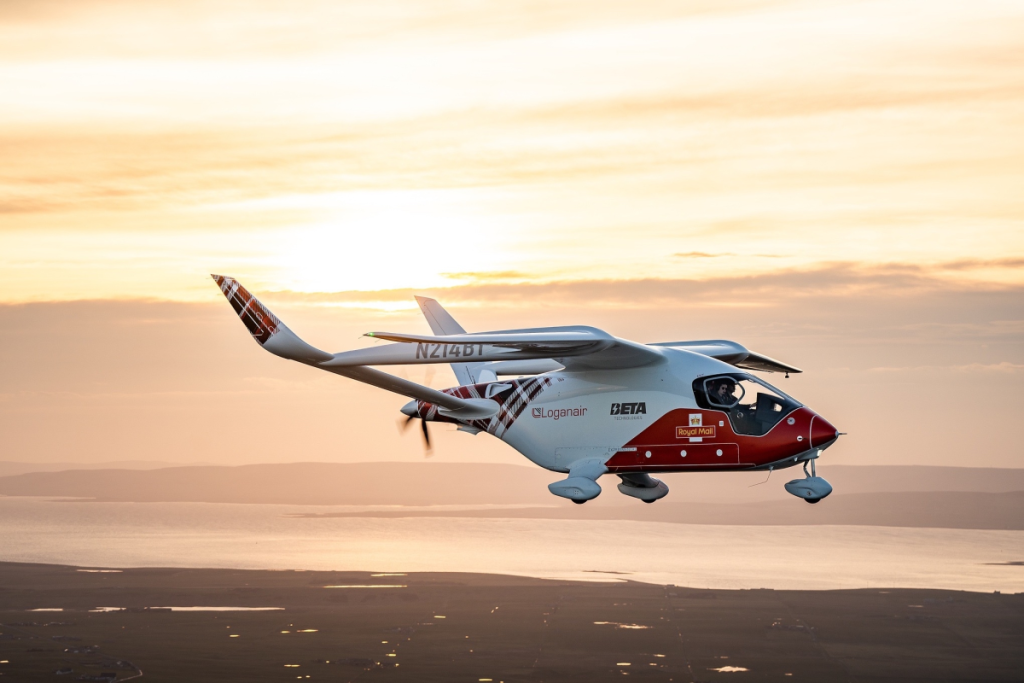
Loganair isn’t trying to reinvent the wheel; they are partnering with US-based BETA Technologies to bring the ALIA CX300 model into their fleet, with an option to buy five more down the line.
What I find incredibly smart about this specific aircraft is its practical design:
- No Sci-Fi Landing Pads Needed: Unlike many vertical take-off and landing (eVTOL) concepts we see flooding the news, the ALIA CX300 uses conventional runways. This means it doesn’t require expensive, futuristic “vertiport” infrastructure to operate.
- Rapid Turnaround: Thanks to BETA’s fast-charging system, the plane’s batteries can be recharged in just 20 to 40 minutes. For a regional airline that does multiple short hops a day, that charging speed is the golden ticket to profitability.
Testing in the Wild: 23 Flights in Scotland
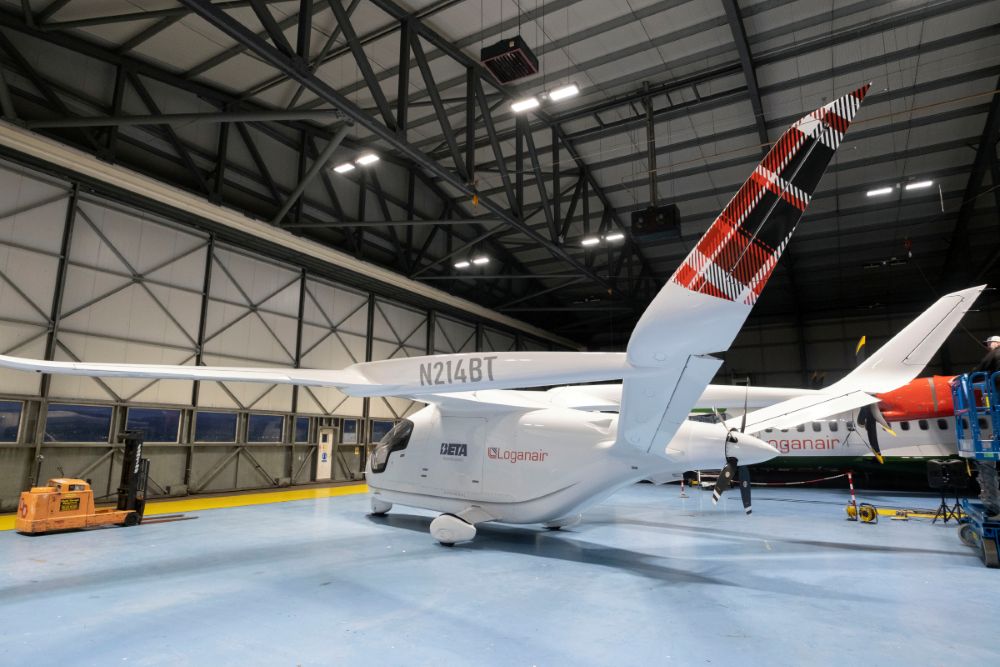
I’m always skeptical of tech that only works in a controlled lab, but Loganair and BETA have already put this bird to the test in real-world conditions. Back in March, they ran an intensive testing phase across Scotland’s demanding geography.


Here are the stats from their test runs that genuinely impressed me:
- 23 successful flights completed over 10 days.
- The network covered rugged routes including Glasgow, Dundee, Aberdeen, Inverness, Wick, and Kirkwall.
- Average flight distance: 56 miles.
- Average cruising speed: 99 knots.
- Incredible Efficiency: The aircraft consumed an average of 1.37 kWh per nautical mile. To put that in perspective, this is a higher energy efficiency rating than some large electric cars on the road today!
They didn’t just fly empty, either. A significant portion of these tests involved flying actual Royal Mail routes to remote Scottish islands, proving that electric planes are ready for critical, time-sensitive logistics right now.
It’s Not Just About Being Green—It’s About the Money
We love to talk about zero emissions, but let’s be real: commercial airlines run on tight margins. When I dug into the business side of this, Loganair’s CEO, Luke Farajallah, noted that early data suggests the ALIA CX300 could slash operating costs by a staggering 80 percent.
Scotland’s geography is the perfect incubator for this. With over 90 inhabited islands and rugged terrain that makes rail or road links impossible, short-haul flights aren’t a luxury; they are essential infrastructure. Because the vast majority of Loganair’s routes are under 100 miles, today’s battery technology is already perfectly suited for the job.
The Roadblocks Ahead
Of course, it’s not all clear skies just yet. The ALIA CX300 still needs to secure all its commercial certifications. Furthermore, the ground infrastructure needs a massive upgrade. You can’t just plug an airplane into a standard wall socket.
To solve this, BETA Technologies recently teamed up with Archer Aviation and Macquarie Capital to form a consortium called ACES. Their sole mission? To build out the necessary rapid-charging infrastructure at airports by 2029. We are also seeing aviation giants waking up to this reality, like Airbus unveiling its LEIA hybrid-electric project. The entire industry is pivoting.
When I look at all these moving parts, it’s clear to me that electric aviation has finally graduated from the concept phase and is entering real commercial viability. We are going to see a lot more of these quiet, efficient planes in our skies very soon.
I’m curious to hear your take on this shift in travel. Would you feel comfortable hopping on a fully electric flight over the ocean today, or do you think the battery tech still needs a few more years to earn your trust? Let’s discuss it in the comments!
You Might Also Like;