Portable Spaceports Are Here: Rocket Lab’s GHOST System Changes Everything

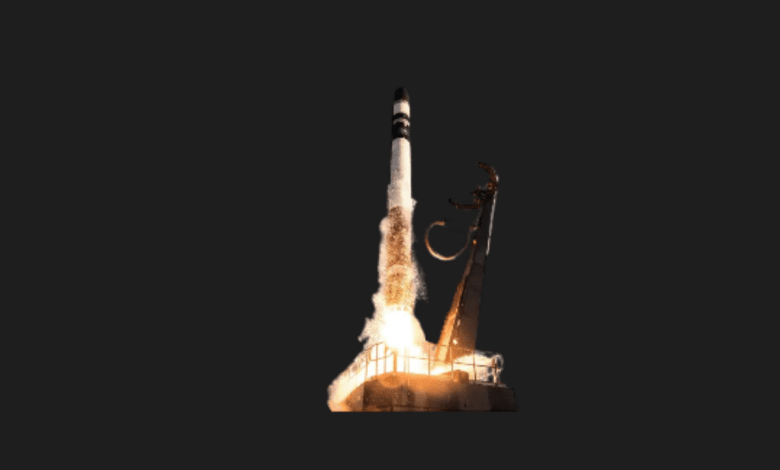

Have you ever looked at a massive, sprawling rocket launchpad and thought, “What if we could just pack this whole thing up and ship it somewhere else?” I certainly hadn’t. It sounds like something straight out of a sci-fi movie. But while researching the latest aerospace developments this week, I was genuinely shocked to see that Rocket Lab has turned this wild idea into reality with their new GHOST system.
Let me tell you, this isn’t just a minor update—it’s a complete rethink of how we access space. We are moving away from the era of static, billion-dollar concrete spaceports.
Meet GHOST: The Spaceport in a Box
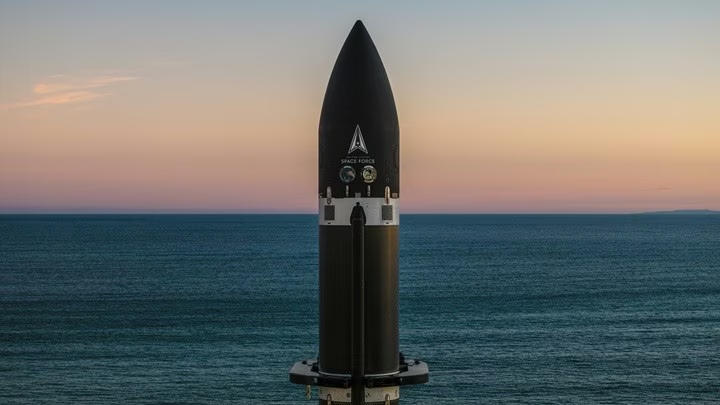
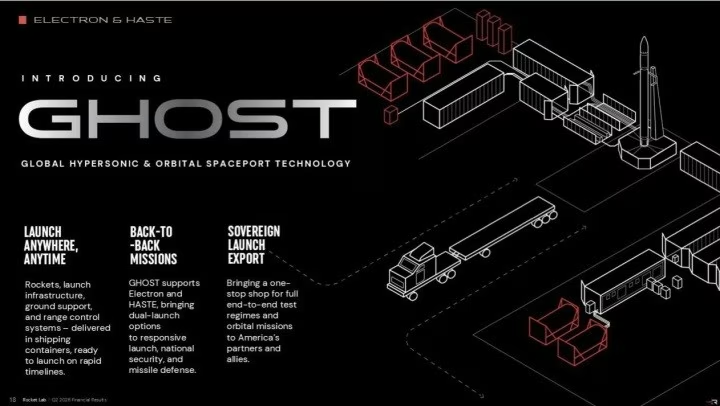
GHOST stands for Global Hypersonic & Orbital Spaceport Technology. Instead of spending years pouring concrete and building static infrastructure, Rocket Lab has figured out how to fit an entire launch operation into standard shipping containers.
When they deploy GHOST, they are moving everything required for a launch in a single, highly mobile package:
- The Rocket: Safely housed and transportable across oceans or land.
- Launch Infrastructure: The structural mechanics needed to stand the vehicle up and prep it for flight.
- Ground Support & Range Control: The critical communication and telemetry systems, ready to plug and play.
I find this incredibly brilliant. It means rockets can be deployed to different countries or remote regions entirely on demand, turning almost any secure flat patch of land into a gateway to orbit.
The Workhorses: Electron and HASTE
Currently, this containerized system is designed around two specific vehicles.

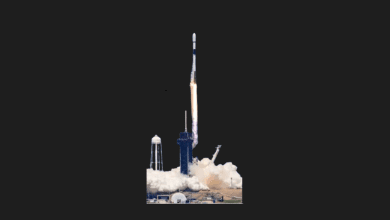
First, there’s the 18-meter-tall Electron, which has been an absolute workhorse for the small satellite industry. It’s hard to believe, but this rocket has already completed 83 missions since its initial test flight in 2017.
Then there’s HASTE, the suborbital sibling used primarily for rigorous hypersonic testing. It recently completed its ninth flight in June 2026. Having the ability to pack these specific vehicles up and launch them from anywhere completely changes the logistical nightmare normally associated with orbital and suborbital missions.
Why Launch Flexibility Actually Matters
Right now, Rocket Lab conducts its launches from established bases in New Zealand and Virginia in the US. However, CEO Peter Beck recently announced plans to use GHOST to set up two new, highly flexible pads at the Pacific Spaceport Complex in Alaska.
From my perspective, the strategic value here goes way beyond just corporate convenience. Think about the broader applications:
- Rapid testing: Executing missile defense tests in isolated environments without scheduling bottlenecks.
- Sovereign capabilities: Allowing allied countries to launch independent satellite missions directly from their own soil without building permanent, wildly expensive space centers.
GHOST provides the kind of operational flexibility that traditional aerospace companies have only dreamed of.
The Heavyweight Challenger: Neutron is Coming
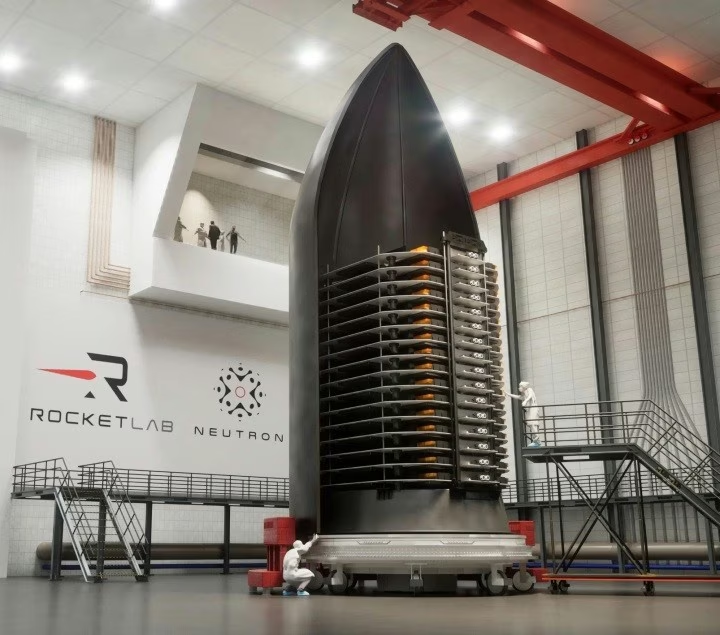
While GHOST is busy revolutionizing small launches, Rocket Lab is simultaneously preparing its heavyweight contender: the Neutron rocket.
If you’re a fan of SpaceX’s Falcon 9, you’re going to appreciate Neutron. It features a partially reusable design where the massive first stage returns to Earth to be recovered and flown again. The leap in payload capacity is staggering:
- Electron’s Payload: ~300 kilograms
- Neutron’s Payload: Up to 13,000 kilograms to Low Earth Orbit (LEO)
Rocket Lab is aiming for the first Neutron launch in the fourth quarter of 2026. I’ll definitely be marking my calendar for that one, as it positions them to directly compete in the heavy-lift market.
The Kepler Connection and the Future
The commercial industry is already putting money on the table. Canada-based Kepler Communications has just booked the first dedicated commercial Neutron launch, scheduled for 2028. They will be deploying a constellation of next-generation optical communication relay satellites.
To put into perspective why this is such a massive deal: Kepler’s new second-generation satellites will bump their network capacity from a respectable 2.5 Gbps to a blistering 100 Gbps. This specific mission is so critical that it will also carry 10 satellites for the European Space Agency’s (ESA) HydRON program.
Seeing launch infrastructure shift from massive real estate projects to agile, containerized systems feels like a giant leap forward for the industry. I would love to see how legacy aerospace companies respond to this level of disruption.
What do you think about this portable launch concept—does making spaceports mobile raise any security or logistical concerns in your mind, or is it purely a massive win for global space access?
You Might Also Like;