
I spend a lot of time looking at the latest breakthroughs in robotics, but the line between science fiction and reality just got completely blurred for me today. When I first read that researchers at the University of California San Diego (UC San Diego) successfully completed surgical operations using remote-controlled humanoid robots, I had to pause. We are no longer just talking about robots flipping burgers or walking up stairs; we are talking about hands holding scalpels.
Let’s dive into exactly what happened, why this is a massive leap forward from the surgical robots we already have, and what this means for the future of medicine.
Meet “Surgie”: The Humanoid Surgeon

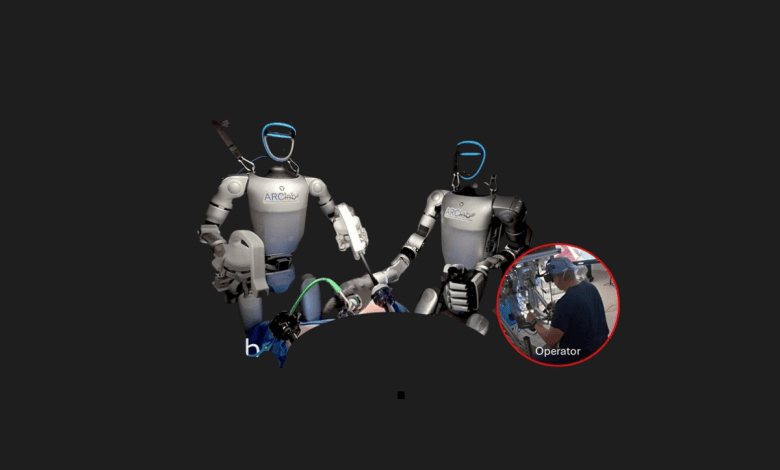
The stars of this groundbreaking pre-clinical trial are humanoid robots aptly named Surgie. Built on the foundation of the Unitree G1 model, these robots aren’t the massive, intimidating machines you might picture.
- Size and Build: They stand about 1.5 meters (nearly 5 feet) tall and weigh around 27 kilograms (60 lbs).
- The Magic Touch: The researchers modified them with special adapters, allowing these humanoids to hold and use standard surgical instruments.
In their trials on large non-human mammals, the team successfully executed two different operations. In the first, a human surgeon worked side-by-side with a humanoid robot to perform a gallbladder removal. In the second, things got even wilder: two humanoid robots worked in perfect coordination to complete the surgical procedure.
Why This Changes Everything (The “So What?” Factor)

You might be thinking, “Don’t we already have robotic surgery?” Yes, we do. But when you compare this new humanoid approach to traditional systems, the advantages become incredibly clear.
Currently, hospitals use specialized robotic surgery systems that are undeniably precise, but they come with massive headaches:

- The Weight Problem: Traditional systems weigh in at a staggering 816 kilograms. They require specially designed, reinforced operating rooms just to house them.
- Proprietary Equipment: They require their own expensive, custom-made surgical tools and highly specialized software.
- Setup and Training: They demand long setup times and a heavily trained technical crew on standby.
Surgie flips this entire model upside down. Because these humanoids are relatively small and designed to mimic human movement, they offer a more natural control structure for the remote surgeon. More importantly, they can walk right into an existing, standard operating room and pick up the exact same tools a human doctor uses. No million-dollar room renovations required.
The Roadblocks Ahead

I always like to keep things grounded, and the reality is that we aren’t going to see a robot surgeon at our local clinic tomorrow. The UC San Diego team was very transparent about the current limitations.
During the trials, the robots occasionally needed recalibration, which eats up precious time during an operation. Furthermore, when you are doing remote surgery, latency (communication delay) is the ultimate enemy. A split-second lag in a video game is annoying; a split-second lag during a delicate incision is a matter of life and death. Getting that latency down to zero is the next major hurdle.
Eventually, the researchers envision these humanoids not just performing surgery, but prepping the operating room, handling standard tools, and assisting human staff with routine tasks.
What do you think? If you needed a complex procedure tomorrow, would you feel comfortable knowing a remote specialist was operating on you through a humanoid robot standing at your bedside?
You Might Also Like;