The Invisible Threat of Smart Dust and Micro-Surveillance


Next time a ray of golden sunlight cuts across your living room, take a good look at the tiny specks of dust dancing lazily in the beam. I was doing some deep-dive research into MEMS (Micro-Electromechanical Systems) technology recently, and honestly, the things I uncovered completely terrified me.
What if I told you that some of those floating specks might not be dead skin cells or fabric fibers, but fully functional, microscopic computers?
The researchers over at the University of Michigan have already developed complete computing systems as small as 0.3 millimeters. We are talking about invisible micro-sensors—commonly referred to as Smart Dust—that can literally float in the air around us, land on our clothes, and record everything from ambient temperature to the exact cadence of our voices. As a tech enthusiast, I am usually the first one to cheer for a new breakthrough, but this one gave me a serious pause. Let’s break down what this actually means for our future, our homes, and our sanity.
What Exactly is Smart Dust?
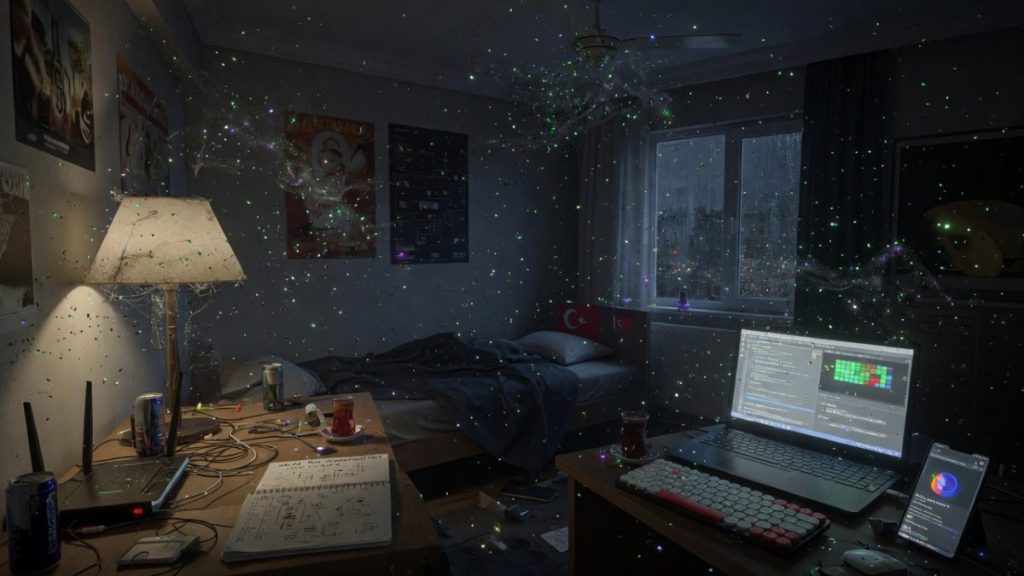
To understand the scale of what we are dealing with, we have to look at MEMS. This isn’t science fiction anymore; it’s a booming industry. MEMS technology involves miniaturizing mechanical and electro-mechanical elements down to the micrometer level.
The Michigan Micro Mote (M3), for instance, is a fully autonomous computer that is smaller than a grain of rice. Actually, it’s smaller than the tip of a grain of rice. Despite its size, this tiny titan contains:
- A processing unit
- Memory storage
- A battery (often powered by ambient light or vibrations)
- A wireless radio transmitter
- Various sensors (temperature, pressure, image, or audio)
When you deploy thousands or even millions of these microscopic devices into an environment, they form a mesh network. They talk to each other, passing data along invisibly until it reaches a central hub. It’s brilliant engineering, but sitting here thinking about it, the implications are staggering.

The Utopian Promise: Why Are We Even Building This?
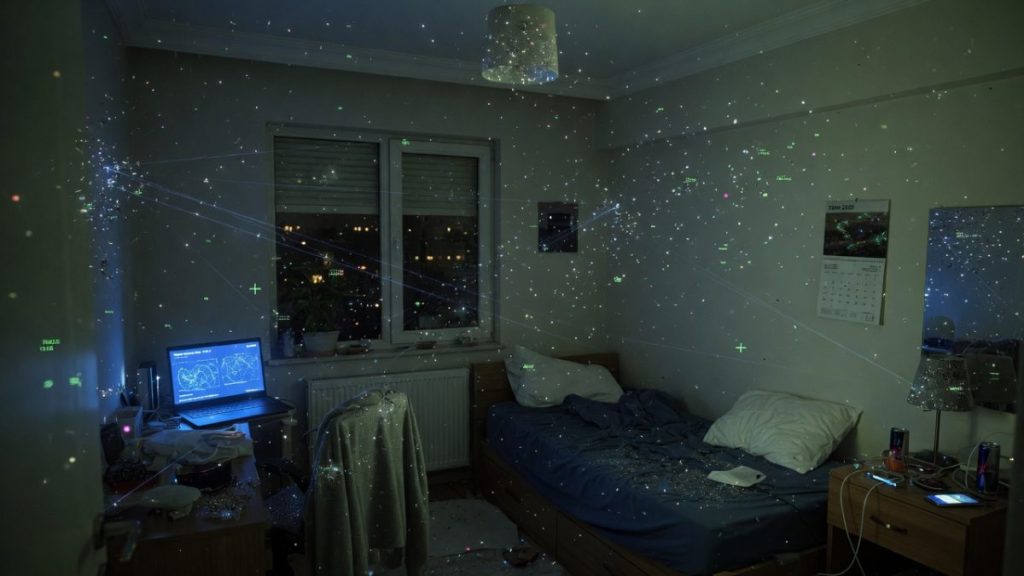
I always try to look at the bright side of tech. No one engineers a 0.3mm computer purely with the intent to be a supervillain. The original pitch for Smart Dust is actually quite beautiful and focused on health, safety, and environmental preservation.
Here is what the creators envision:
- Medical Miracles: Imagine swallowing a microscopic sensor that navigates your bloodstream, monitors your heart from the inside, detects early signs of disease, and dissolves harmlessly when it’s done.
- Environmental Monitoring: We could scatter Smart Dust across vast forests to detect the earliest, invisible shifts in temperature, catching wildfires before the first plume of smoke even appears.
- Structural Integrity: Embedding these sensors into the concrete of bridges and skyscrapers could warn engineers of microscopic stress fractures decades before a collapse occurs.
When you look at it from that angle, it sounds like a technological utopia. But as I kept digging into the whitepapers and corporate interests funding these projects, the shiny veneer started to wear off.
The Dystopian Nightmare: Goodbye, Absolute Privacy
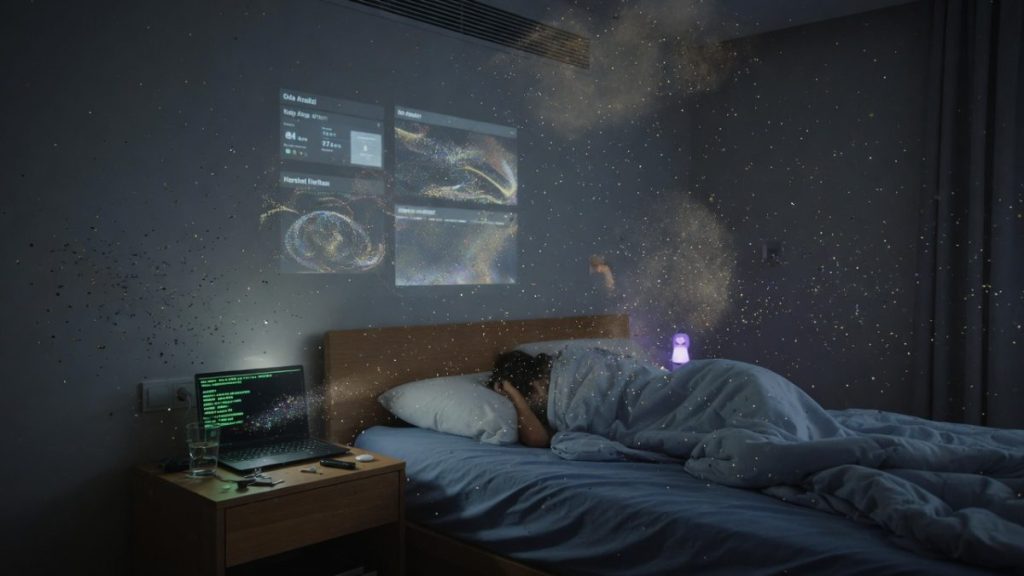
Here is where my anxiety kicked in. We are already living in a world where our phones listen to us to serve targeted ads. We voluntarily bring smart speakers into our kitchens. But at least I can see my smart speaker. I can unplug it.
How do you unplug a microphone that is floating in the air? How do you opt out of a surveillance grid you can’t even see?
If history has taught us anything, it’s that technology created for security and health inevitably gets co-opted for profit and control. Picture this: our most private, safe moments at home—our arguments, our quiet whispers, our daily routines—captured by invisible sensors, turned into tiny data packages, and sold to giant data brokers.
The concept of the invisible panopticon is what really gets under my skin. It’s the idea that you never know if you are being watched, so you have to act as if you always are. If Smart Dust becomes commercialized, the very concept of “behind closed doors” ceases to exist. We would be trading our absolute right to privacy for the convenience of hyper-optimized smart cities and targeted healthcare.
Is the Illusion of Security Worth the Price?
They will sell this to us as a safety feature. “Install this invisible grid in your home to protect your family from intruders and monitor your infant’s breathing.” And honestly? A lot of people will buy it. The fear of the unknown is a powerful marketing tool.
But I can’t stop thinking about the privacy nightmare this creates. Are we willingly stepping into an era of microscopic surveillance capitalism? Giant corporations already know what we buy, who we talk to, and where we sleep. Giving them a literal microscopic ear in every room of our houses feels like the final nail in the coffin of personal autonomy.
I’m not saying we should burn down the labs and stop innovating. The medical applications alone could save millions of lives. But we desperately need a regulatory framework yesterday. We need laws that dictate who owns the air around us and the data it carries before the dust settles—pun absolutely intended.
I really want to know where you stand on this. Would you willingly invite Smart Dust into your home if it guaranteed perfect security and early disease detection, or is absolute privacy something you are never willing to trade? Drop your thoughts down in the comments—let’s have a real debate about this!
You Might Also Like;