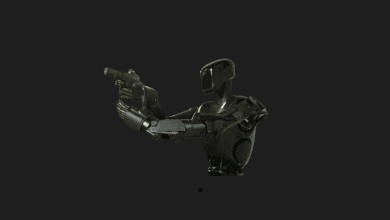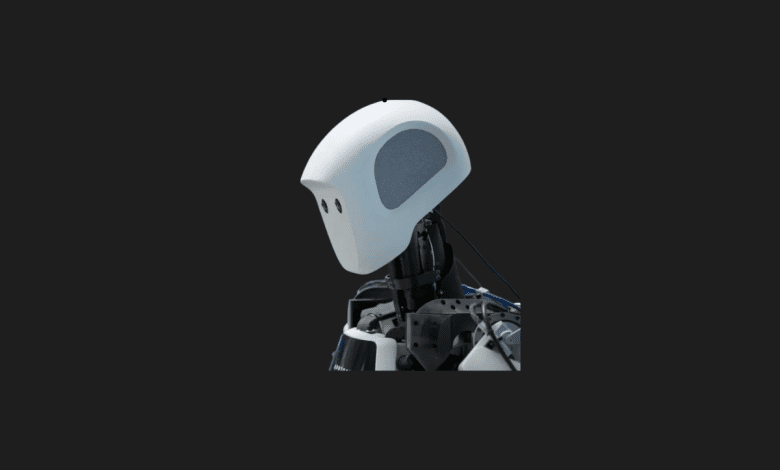

I spend an absurd amount of my time analyzing the massive shifts happening in the AI landscape, and lately, every major tech discussion hits the exact same brick wall: infrastructure. We are training models that are exponentially smarter, but we literally cannot build the physical data centers fast enough to house the necessary GPUs. The construction industry is slow, heavily reliant on manual labor, and struggling to keep up with the explosive demand of the AI era.
But a massive piece of news just dropped that completely changes the trajectory of how we build the internet of tomorrow. SoftBank is preparing to launch a new company called Roze, and their solution to the infrastructure bottleneck is both brilliant and inevitable: they are going to let the robots build the data centers.
When I first dug into the details of this initiative, I realized this isn’t just a neat engineering experiment. This is a highly calculated, aggressive financial maneuver designed to dominate the physical foundation of the AI boom. Let’s break down exactly what SoftBank is doing, why they are targeting a jaw-dropping $100 billion valuation, and what this means for the future of physical AI.
Enter Roze: Automating the AI Boom

The core mission of Roze is straightforward but monumentally difficult: automate the construction of server farms and data centers, starting primarily in the United States.
Instead of relying solely on traditional construction crews—which face labor shortages, safety risks, and slow timelines—Roze plans to deploy autonomous robots and AI-backed management systems to optimize the entire building process.
Here is why this is a massive deal for the industry:
- Unprecedented Speed: Robots don’t need to sleep. By automating repetitive construction tasks like heavy lifting, precise component placement, and site surveying, the timeline from breaking ground to turning on the servers can be drastically slashed.
- Cost Efficiency: While the initial R&D and hardware investments are astronomical, the long-term operational costs of building multiple, massive data centers plummet when the process is standardized and automated.
- Infinite Scalability: Once the robotic construction model is perfected on one site, it can be seamlessly copied and pasted to dozens of sites simultaneously.
For those of us tracking the evolution of Agentic AI, this is the logical next step. We are moving past AI that just writes code or generates images. We are entering the era where AI systems act as project managers, coordinating fleets of physical machines to alter the real world.
The ABB Robotics Advantage: Not Just Hype

You might be thinking, “This sounds like a sci-fi pitch to grab investor cash.” I had the same thought initially. But SoftBank isn’t starting from scratch here, and that is what makes Roze so formidable.
Reports indicate that SoftBank plans to consolidate some of its existing, heavy-hitting assets under the Roze umbrella. The most critical piece of this puzzle is ABB Robotics.
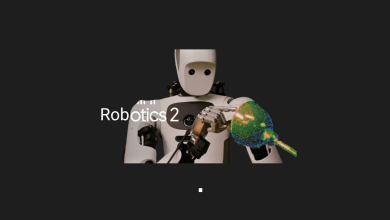
If you follow industrial automation, you know that ABB is an absolute titan. They are one of the global leaders in industrial robotics and automation solutions. SoftBank made strategic moves with ABB last year, and it is now clear that ABB’s battle-tested hardware will likely form the technological spine of Roze. We aren’t talking about fragile prototype robots; we are talking about heavy-duty, industrial-grade machines adapted for the chaotic environment of a construction site.
By merging cutting-edge AI software with ABB’s elite physical hardware, SoftBank is effectively bridging the gap between digital intelligence and physical labor.
The $100 Billion Endgame
SoftBank is not playing a small game here. Internal executives are reportedly pushing for Roze to go public with an IPO as early as the second half of 2026. The target valuation? A staggering $100 billion.
To put that into perspective, that would make Roze one of the most valuable robotics and infrastructure companies on the planet right out of the gate. But in the context of the current tech wars, that number actually makes sense.
The biggest tech giants—Microsoft, Google, Meta, and OpenAI—are prepared to spend hundreds of billions of dollars over the next decade on data centers. Whoever controls the fastest, cheapest, and most efficient way to build those centers holds the keys to the entire AI kingdom.
SoftBank isn’t the only one seeing this opportunity. We already know that Amazon founder Jeff Bezos is heavily backing Project Prometheus, an initiative aimed at transforming industrial companies using AI. The race to automate the physical world is officially on, and the stakes have never been higher.
The Future of Infrastructure

I’ve always believed that the true impact of artificial intelligence wouldn’t just be felt on our screens, but in the physical structures around us. Roze represents a pivotal shift: AI is now building its own homes.
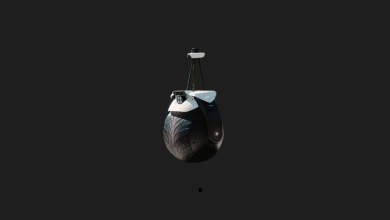
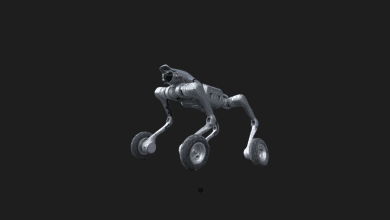
As these autonomous systems become more sophisticated, I fully expect to see a rise in highly specialized humanoid and quadrupedal robots working alongside heavy automated machinery on these sites. It’s a fascinating, slightly intimidating, but incredibly exciting glimpse into the next decade of human (and robotic) engineering.
The era of slow, manual infrastructure expansion is ending. The machines are taking the hardhats.
I’m incredibly curious to hear your take on this. Do you think fully autonomous robotic construction is realistic by 2026, or is SoftBank being too optimistic with that $100 billion IPO target? Let’s hash it out in the comments below!
You Might Also Like;