The Wait is Finally Over: Native YouTube Lands on Apple Vision Pro


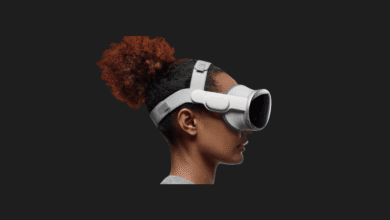
I still clearly remember the sheer frustration of unboxing the original Apple Vision Pro. I was holding what was arguably the most advanced piece of consumer technology ever created—a spatial computing marvel with micro-OLED displays that felt like magic. Yet, when I wanted to kick back and watch a high-res video, I hit a bizarre wall: there was no native YouTube app. For a device heavily marketed around media consumption and immersive video, this absence felt like buying a luxury sports car only to realize it didn’t come with a radio. For two entire years, early adopters and even buyers of the second-generation Vision Pro have been forced to jump through hoops just to watch their favorite creators.
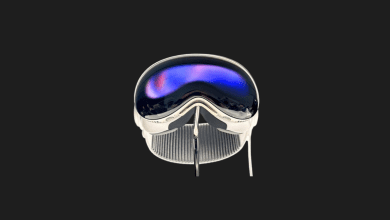
Well, I am thrilled to report that the standoff is finally over. Google has officially launched the native YouTube app on the visionOS App Store. I immediately downloaded it, spent hours testing the interface, and I have to say—this isn’t just a lazy port. Google actually did their homework. Let’s dive into what this means for the Vision Pro ecosystem, why it took so long, and what this signals for the future of spatial computing.
Why Did It Take Two Years? The Third-Party Drama

To understand why this release is such a big deal, we have to look back at the messy two-year history between Google and Apple’s headset.
When the Vision Pro first launched in February 2024, YouTube publicly stated that a visionOS app was “on their roadmap,” but offered no timeline. Instead, they told users to simply use the Safari web browser.
If you have ever tried navigating a complex video platform using eye-tracking on a web browser built for a 2D screen, you know exactly how clunky it was. You couldn’t properly engage with 360-degree videos, the interface was rigid, and the overall experience felt completely disjointed from the seamless magic of visionOS.
The Rise and Fall of Juno
Nature abhors a vacuum, and so do software developers. In the absence of an official app, indie developers stepped up. The most famous example was Juno, a beautifully designed third-party app that gave Vision Pro users the YouTube experience they craved.
But of course, the corporate hammer eventually fell. Google aggressively enforced its API policies, resulting in Juno being pulled from the App Store. While a few other workarounds popped up, none offered the stability and full feature set of an official client. We were left waiting in the dark—until today.
Not Just an iPad Port: A True Spatial Experience
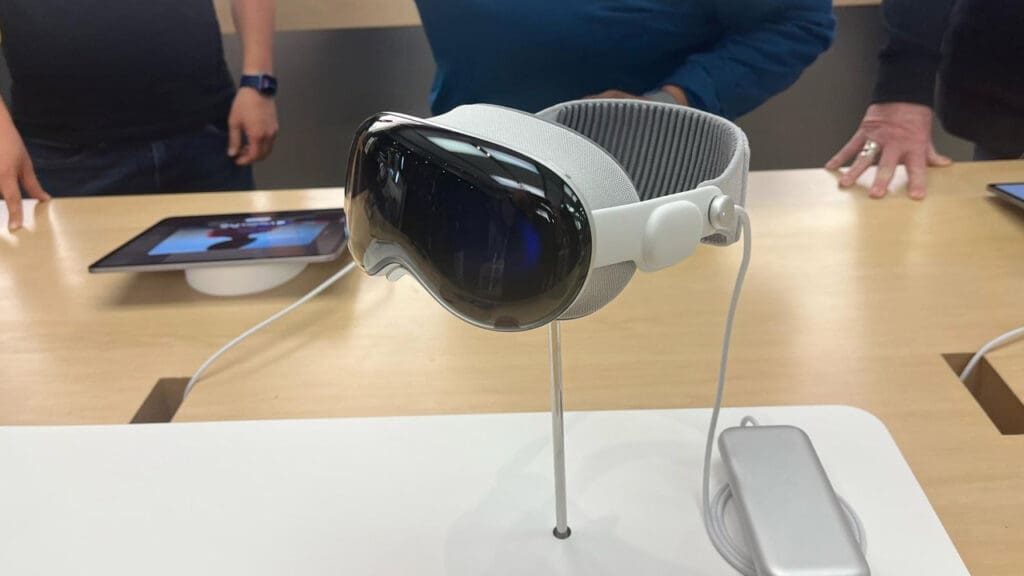
My biggest fear when I saw the download button was that Google had simply checked a box allowing the existing iPad version of YouTube to run on visionOS. (Looking at you, Instagram). Thankfully, I was wrong.
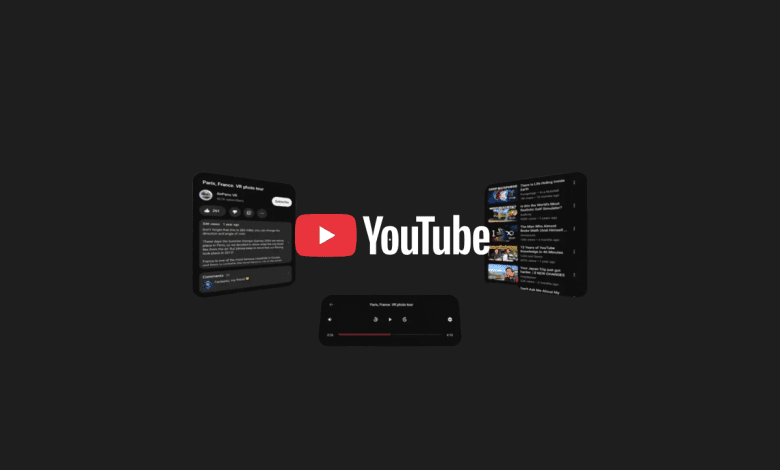
Google has built an interface specifically tailored for spatial computing.
The Interface Design
When you launch the app, you aren’t just looking at a flat window. The UI is constructed using spatial panels that float elegantly in your physical space.
- Depth and Shadows: The menus have a sense of depth, casting subtle shadows on the video player behind them.
- Eye-Tracking Optimization: The thumbnails and navigation buttons are properly sized and spaced, meaning your eyes can easily lock onto a video without accidentally highlighting the wrong element.
Native 3D, 180°, and 360° Video Support
This is the absolute game-changer. For two years, Vision Pro users were locked out of YouTube’s massive library of immersive content.
With the native app, 3D, 180-degree, and full 360-degree VR videos are completely supported. I tested a 360-degree scuba diving video, and the transition from a floating 2D window to a fully wrapped, immersive environment was flawless. The Vision Pro’s displays finally have a platform massive enough to feed them high-quality spatial content. If you are a VR content creator, your audience just got a massive upgrade in viewing quality.
Full Ecosystem Integration

A great VR player is useless if you can’t actually find your content. Google didn’t hold back on the account integration.
Once you log in, you get the exact same powerful algorithm and feature set you are used to on your phone or smart TV:
- Seamless Sync: Your watch history, liked videos, and subscriptions are all perfectly synced.
- Personalized Recommendations: The home feed is instantly populated with your specific algorithm.
- YouTube Shorts Integration: Yes, the doom-scroll has officially entered the spatial era. Google created a dedicated, vertically-oriented interface for Shorts. It is surprisingly comfortable to pull up a massive, life-sized Short and swipe through using simple finger pinches.
The Bigger Picture: Google’s XR Strategy
So, why now? Why did Google suddenly decide to drop a highly polished spatial app after two years of total silence?
While Google hasn’t released a formal statement detailing their strategic timeline, I have my theories.
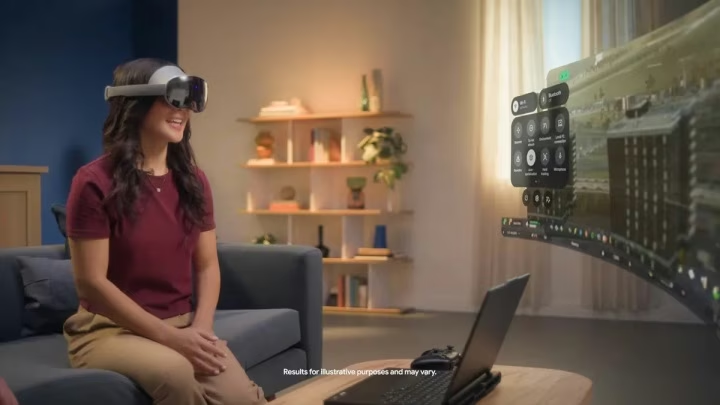
We know that Google has been aggressively expanding its own Extended Reality (XR) ambitions. With their ongoing partnerships in the Android XR space (specifically with Samsung to build a competing headset platform), Google cannot afford to have its flagship media platform look hostile to spatial computing.
By building a top-tier app for visionOS, Google is essentially warming up its spatial design muscles. They are proving that YouTube is ready for the next generation of computing, regardless of whether that hardware is made by Apple, Samsung, or anyone else. They are claiming the territory of “default video player” for the entire XR industry.
The Elephant in the Room: Where is Netflix?
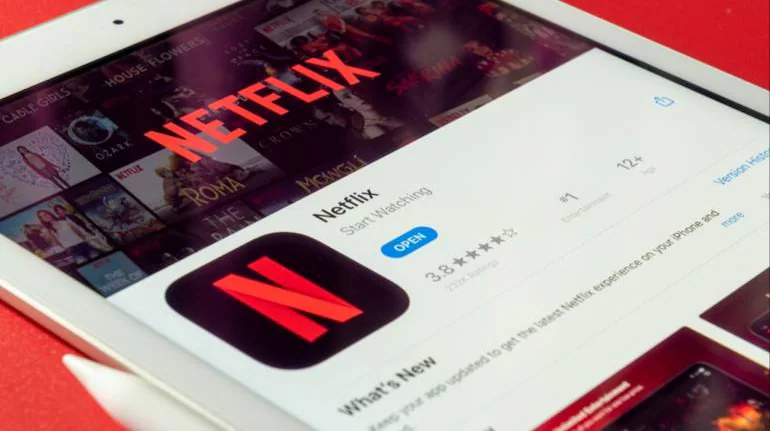
This brings us to the inevitable next question. Now that YouTube has surrendered to the reality of the Vision Pro, all eyes are glaring directly at Netflix.
Just like YouTube, Netflix refused to build a native app for the Vision Pro at launch, forcing users to rely on the web browser. And unlike YouTube, Netflix doesn’t even have a massive library of 360-degree user-generated content to worry about—they just need to build a great 2D spatial theater!
Yet, as of writing this, there is zero official word from Netflix regarding a visionOS app. With YouTube now offering a premium spatial experience, and Disney+ having offered incredible 3D environments since day one, Netflix’s stubbornness is starting to look less like a protest and more like a massive missed opportunity.
I am incredibly relieved that I can finally watch my favorite tech reviewers, video essays, and 360-degree travel vlogs natively on my headset. The Vision Pro finally feels a little more complete.
But I have to ask you: Now that Google has caved, how long do you think it will take for Netflix to swallow their pride and release a Vision Pro app? Or do you think they will hold out forever? Let me know your predictions in the comments below!
You Might Also Like;