SpaceX Successfully Completes 11th Test Flight of its Giant Starship Rocket

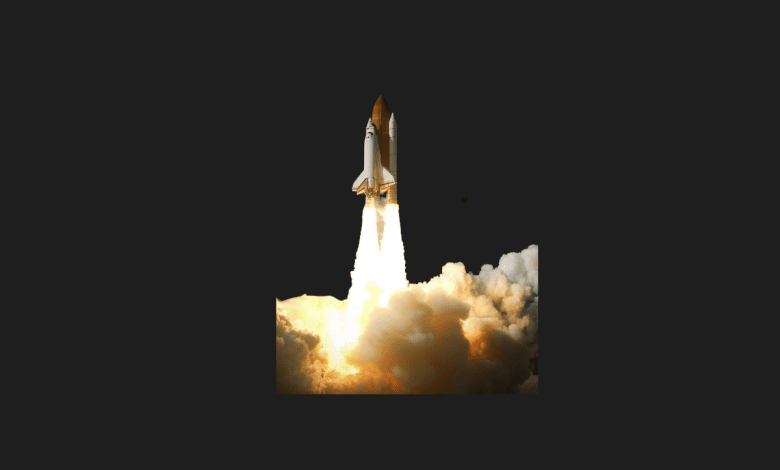

SpaceX successfully completed the 11th test flight of its 123-meter Starship rocket. The Super Heavy booster and the Ship stage landed as planned. This marks the final flight of the Starship V2 iteration.
SpaceX successfully completed the 11th test flight of Starship, the largest and most powerful rocket ever built. Launched from SpaceX’s Starbase facility, Starship achieved all objectives for the second consecutive time, replicating the same mission as the tenth flight.
This test is also the last launch of the Version 2 model of the Starship program. This version of the rocket reaches 123 meters in length when fully stacked, but the future Version 3 will be approximately 124.4 meters. The model dubbed “Future Starship,” likely Version 4, which Musk introduced in May 2025, will reach 142 meters in height. Version 4 will have a total of 42 Raptor engines, with 9 engines operating in the upper stage. This new version is planned to fly in 2027.
Success Achieved in the 11th Test as Well
SpaceX engineers tested a new landing strategy during the test flight. The Super Heavy booster initially fired 13 engines for landing, then continued with 5 engines for guidance and course correction. This method simulates the engine configuration planned for the future V3 Super Heavy and provides extra safety against engine failures.
Furthermore, the Super Heavy booster separated from Starship 2.5 minutes after liftoff and performed a flawless splashdown in the Gulf of Mexico (into the sea) approximately 6.5 minutes after launch. The same booster had previously flown on the 8th mission. In this flight, only 9 of the 33 Raptor engines were replaced. Thus, despite all criticism, SpaceX is making significant strides in reusability even during the test phase of its giant rocket.


The upper stage, the Ship, deployed eight dummy Starlink satellites into space during the flight and tested a critical capability for future Moon and Mars missions by re-igniting its Raptor engine in space. SpaceX announced that the upper stage tested vulnerable areas by removing some heat shield tiles and tested its algorithms with some aggressive maneuvers before landing.
This stage, referred to as Ship or Starship, splashed down in the Indian Ocean approximately 66 minutes after launch. This landing was filmed by a pre-positioned buoy camera. With this flight, the Starship V2 era concludes, paving the way for larger and more advanced versions.
For the Moon and Mars

Elon Musk, the founder and CEO of SpaceX, stated that he primarily founded the company in 2002 to help humanity settle on the Red Planet. The Moon is also among these objectives.
NASA will use this vehicle as the first human lander for the Artemis program, which aims to put human boots back on the Moon since the Apollo era. If everything goes as planned, Starship is scheduled to land astronauts at the Moon’s south pole for the first time on the Artemis 3 mission, planned for launch in 2027.
You can watch the full flight mission below.
You Might Also Like;