
I still vividly remember watching Mark Zuckerberg’s massive keynote presentation a few years ago. He painted a picture of a future where we would all be living, working, and socializing in a fully immersive virtual reality. It was an incredibly ambitious “metaverse” dream. But fast forward to today, and that grand vision is getting a massive, and frankly, much-needed reality check.
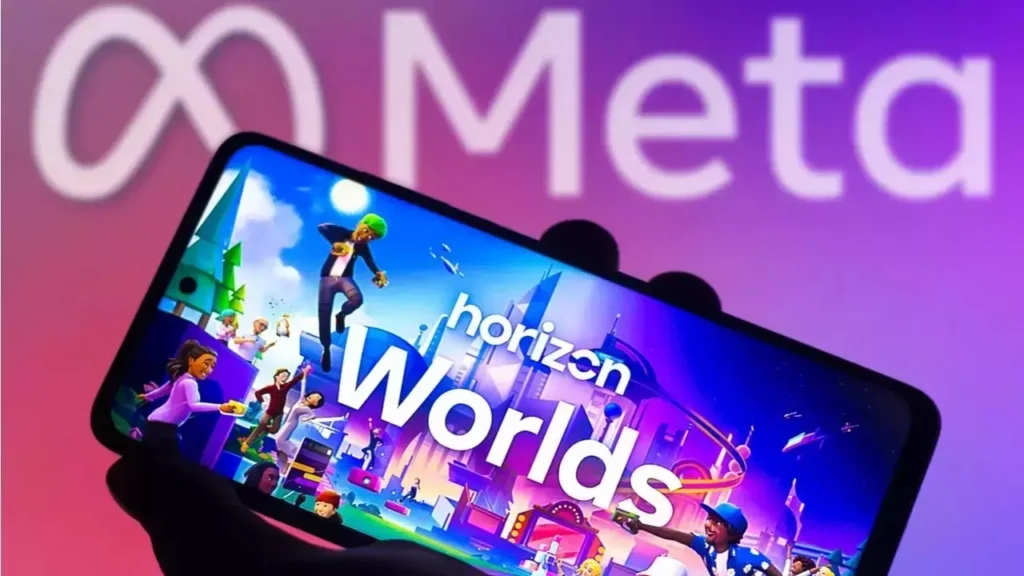
When I was digging into Meta’s latest strategic moves this morning, I realized they are making a huge U-turn. Horizon Worlds, the company’s flagship social VR platform, is officially declaring its independence from the Quest store. Instead of keeping its virtual doors locked behind an expensive headset, Meta is pivoting hard toward the device we all already have in our pockets: our mobile phones.
Let’s break down why this is happening, what is going on behind the scenes at Reality Labs, and why I believe this is actually the smartest move Meta has made in a long time.
Breaking Free from the Headset

For the longest time, I felt that Meta was shooting itself in the foot by making Horizon Worlds a VR-exclusive experience. No matter how good the technology gets, convincing billions of people to buy a dedicated piece of hardware and strap it to their faces just to hang out with digital avatars was always going to be a massive friction point.
Now, the strategy has completely shifted. By detaching Horizon Worlds from the exclusive Quest VR ecosystem, Meta is transforming it into a widely accessible social app. Here is why this mobile shift is a game-changer:
- Zero Barrier to Entry: You no longer need to invest hundreds of dollars into a Quest headset to see what the metaverse is all about.
- Following the Audience: Since the mobile version of the app quietly launched last year, it became instantly clear that there is a massive audience interested in social gaming who simply don’t care about VR hardware.
- The “Roblox” Approach: Meta is finally realizing that to compete with giants like Roblox or Fortnite, you need to be on the screens people already look at for hours every day.
Company officials have made it clear that their primary focus for Horizon Worlds is now mobile. While they will still support the VR developer ecosystem, the days of forcing a VR-first social experience are over.
The Harsh Truth Inside Reality Labs

We can’t talk about this pivot without talking about the money. Meta’s mixed reality division, Reality Labs, has burned through roughly $80 billion in investments so far. When you lose that kind of capital, massive operational shake-ups are inevitable.
Recently, we saw Meta lay off over a thousand employees. From the outside, the media was quick to declare that the metaverse was completely dead. But when I looked closer at who was actually let go, a very different picture emerged:
- What was cut: The layoffs heavily targeted the internal studios creating first-party VR games and virtual content. Meta is stepping back from trying to be a massive game developer.
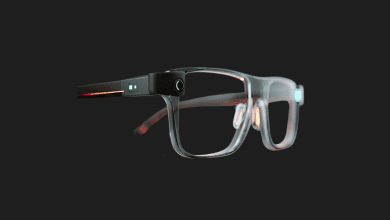
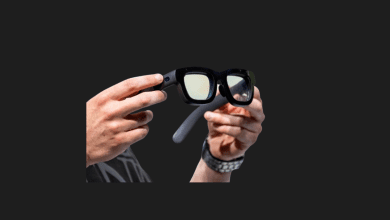
- What was saved: The hardware teams, specifically those working on Augmented Reality (AR) and upcoming smart glasses, were left completely untouched.
This isn’t the death of Meta’s hardware dreams; it’s a calculated restructuring.
Giving the Keys to the Community


Why did Meta stop making its own VR games? Because the data told them to.
I found a fascinating statistic in this report: 86% of the time users spend inside Meta’s VR headsets is spent on applications built by third-party developers, not Meta’s own software.
When your community clearly prefers what independent creators are building, you get out of their way. Meta is shifting its role. Instead of trying to build the entire metaverse themselves, they are focusing on providing the playground. By opening up the platform and providing better tools for third-party developers, Meta can sit back and let the community drive the innovation.
My Takeaway: From Virtual to Augmented
The era of the all-encompassing, purely virtual “Metaverse” seems to be quietly fading into the background. But that doesn’t mean the technology is failing. It is just evolving into something much more practical.
Meta is no longer trying to pull us into a completely fabricated digital world. Instead, their future investments are clearly pointing toward bringing digital elements into our world. Between the massive push for AI models, the undeniable success of the Ray-Ban Meta smart glasses, and this new mobile-first approach for Horizon Worlds, the strategy is finally grounded in reality.
I am actually excited to try Horizon Worlds on my phone without having to clear out my living room to put on a headset. But I want to hear from you. Are you more likely to jump into a virtual social world if you can just download it as an app on your phone, or do you still believe the true magic only happens inside a VR headset? Let’s discuss it in the comments below!
You Might Also Like;
- The View That Changes Everything: Artemis 2’s Deep Space Eclipse
- YouTube’s Digital Clone Era: Create Your AI Avatar for Shorts
- Petcube GPS Tracker Review: Specs, Features & Price
-

-
-

-

-

-

-
-

-

-
-
-
