
I’ve been watching the “billionaire space race” for years now, and if there’s one thing that always felt a bit… theatrical, it was the space tourism sector. You know the drill: a celebrity or a wealthy ticket-holder hops into a capsule, flies up for a few minutes, floats around in zero-G, and comes back down. It was cool, sure, but was it really pushing humanity forward?
Well, it seems Jeff Bezos might be asking himself the same question.
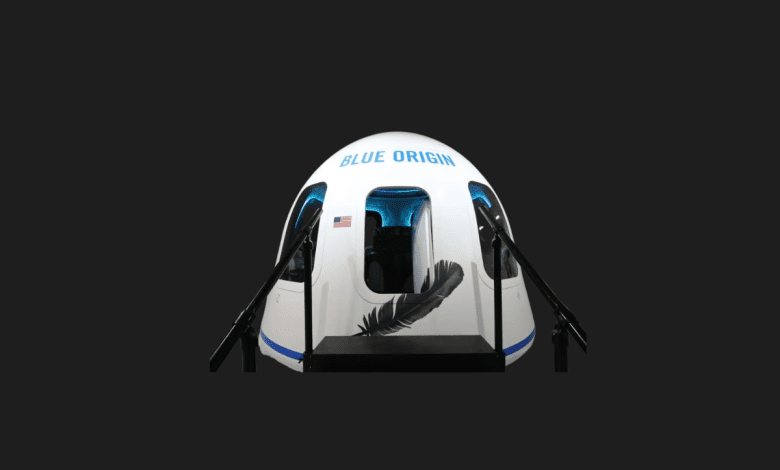
In a move that genuinely surprised me, Blue Origin has decided to hit the pause button on its space tourism flights. We aren’t talking about a short break; the company is grounding human tourism on the New Shepard for at least two years. The goal? To stop focusing on 10-minute joyrides and start focusing entirely on the real prize: The Moon.
The End of the “Instagram Era” of Space?
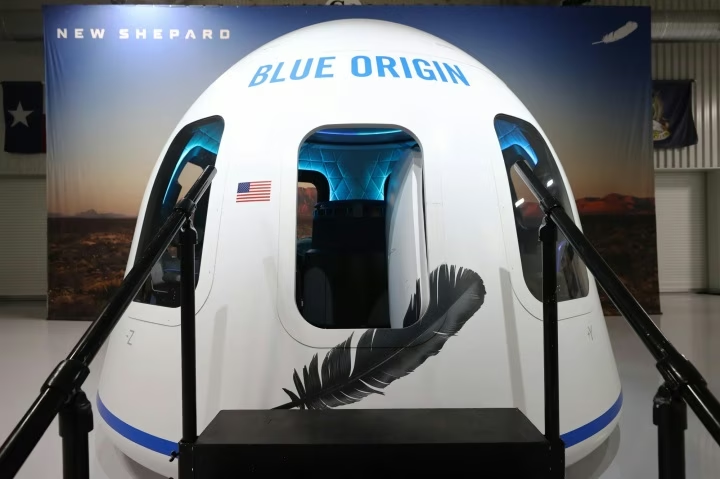
For the last five years, the New Shepard program has been the face of Blue Origin’s public image. It was flashy. It made headlines. I remember watching William Shatner (Captain Kirk himself!) tearing up after looking at the Earth from above. It was emotional content, but strictly speaking, it was a business of “experiences,” not exploration.
Let’s look at what they achieved before pulling the plug:
- 38 Total Flights
- 98 Humans flown to space
- 200+ Scientific payloads carried (which, to be fair, is the part I actually liked most).
But here is my take: Tourism is a distraction when you are losing the race to the Moon. With SpaceX constantly launching massive Starship tests, Blue Origin looked like it was playing a different, smaller game. By cutting the tourism arm, Bezos is essentially saying, “Party’s over, everyone get back to work.”


All Eyes on “New Glenn”
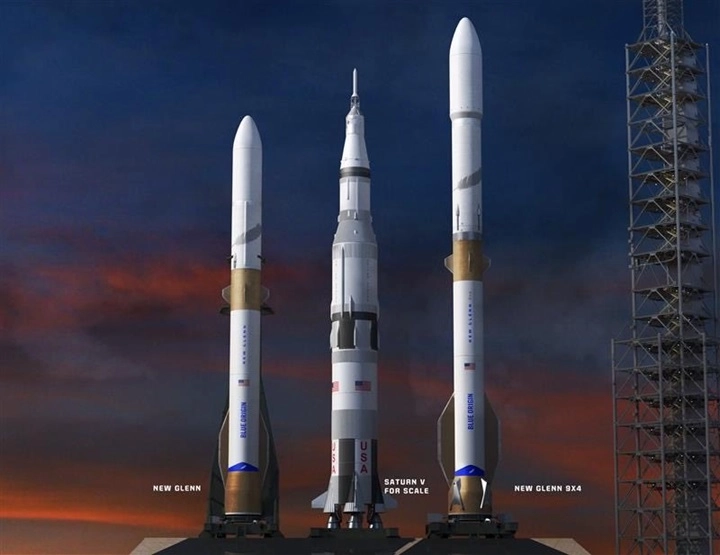
The timing of this decision is what fascinates me. We are just weeks away from the potential launch of New Glenn, Blue Origin’s heavy-lift rocket.
Unlike the smaller New Shepard, New Glenn is a beast designed to compete with SpaceX’s Falcon Heavy and Starship. It’s not just for popping up and down; it’s for orbit, and eventually, for lunar missions.
Why the rush? I dug a bit deeper into the reports, and it turns out there was talk of a robotic lunar lander being on board the next flight. However, that lander is currently stuck in testing at NASA’s Johnson Space Center in Texas. It’s not ready.
This tells me that Blue Origin is feeling the pressure. They need all their engineers, resources, and focus on Artemis and their commitments to NASA. You can’t build a Moon base if you’re too busy scheduling tourist flights for millionaires.
A Mature Move for the Industry
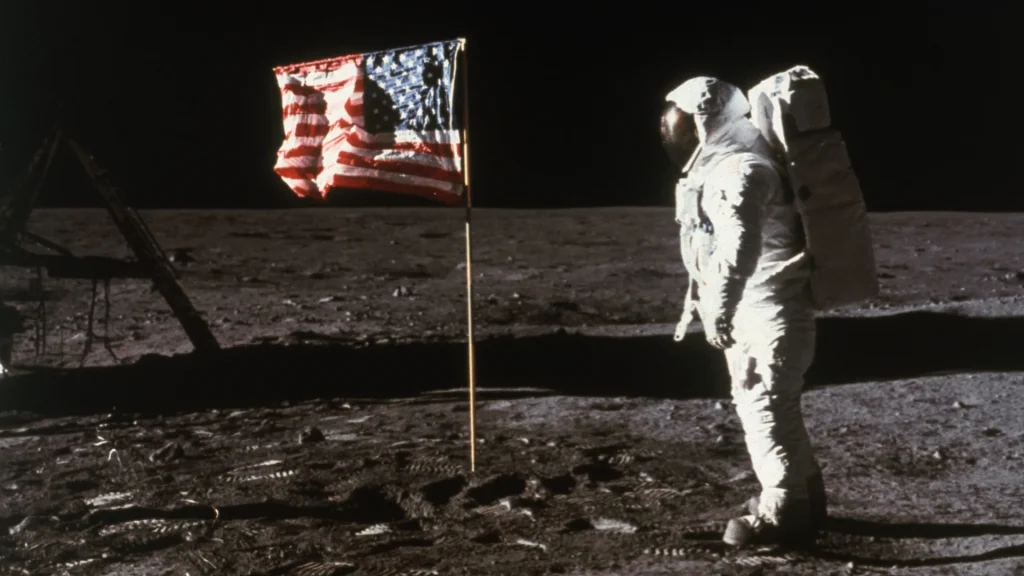
To be honest, I respect this pivot. I know it’s disappointing for anyone who had a few hundred thousand dollars saved up for a ticket (not me, unfortunately!), but for the space industry, this is healthy.
We are moving from the “novelty phase” to the “infrastructure phase.”
- The Novelty Phase: “Look, I’m floating!”
- The Infrastructure Phase: “We are building a permanent transport line to the lunar surface.”
Bezos is realigning his company to be a key player in the US return to the Moon. If Blue Origin wants to be more than just a footnote in history books compared to SpaceX, they have to nail the Moon landing.
What’s Next?
So, for the next two years, don’t expect to see any champagne popping in the West Texas desert. The skies will be quieter, but the engineering labs will be louder than ever.
I’m incredibly curious to see if this gamble pays off. Stopping a revenue stream (tourism) to chase a massive technical goal is risky, but it’s the kind of risk that actually gets us to the stars.
I have to ask: If you were in charge, would you keep the profitable tourism flights going to fund the research, or would you do what Bezos did and shut it all down to focus? Let’s discuss in the comments!
You Might Also Like;