Waymo Successfully Passes Independent Audit: A Milestone for Autonomous Vehicles

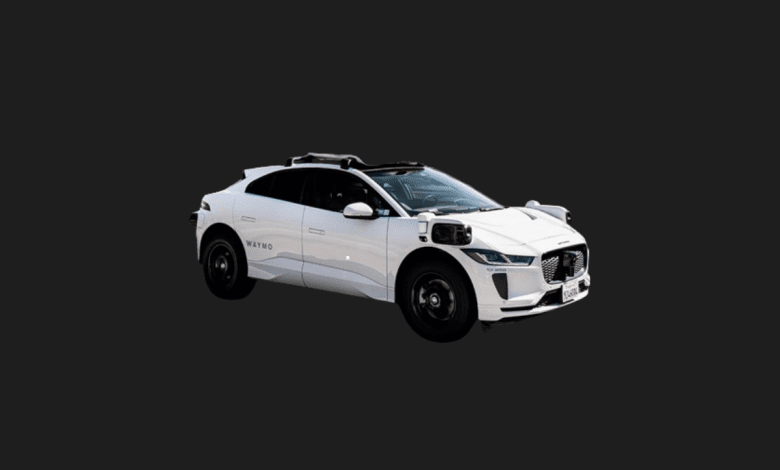

Waymo‘s autonomous vehicles are now TÜV SÜD certified. By opening its autonomous system to an independent audit, the company has not only achieved a first but also eliminated question marks regarding safety.
While autonomous driving technologies are gradually entering our lives, there are still significant questions about how safe or ready these technologies are. Despite these concerns, while some companies aim to get driverless cars on the roads as quickly as possible, others are proceeding with a more cautious approach. Waymo falls into this second group. As a Google subsidiary, Waymo has consciously kept its growth rate low, despite testing its fully driverless robotaxi service on public roads for years, and has shaped its technology with a “safety first” approach. The effectiveness of this strategy was revealed by an independent safety audit conducted recently.
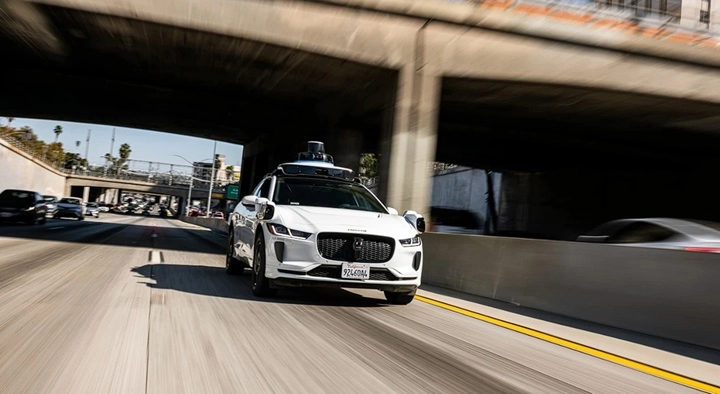
Waymo broke new ground for the industry by submitting its autonomous driving ecosystem to a “safety case” audit (a safety case is a file of evidence collecting documents certifying that a system is safe in all aspects). Waymo‘s autonomous vehicles‘ safety case file, as well as its remote support program, were audited by TÜV SÜD, an independent auditing body. The resulting picture revealed that the structure Waymo has built step by step over the years has now reached an impressive point.
Waymo Documented That Its Autonomous System Is Safe TÜV SÜD, one of Europe’s leading auditing bodies, examined Waymo‘s safety documents, evidence collection protocols, and risk management processes one by one. More importantly, extensive interviews with Waymo employees and practical audits were conducted to understand how these documents overlapped with real operations. At the end of the audit, it was confirmed that Waymo fully complied with both the AVSC’s current safety principles and the ISO 15026-2 standard, which measures software reliability. Thus, Waymo went beyond just saying “our system is safe” and documented this in accordance with international standards.
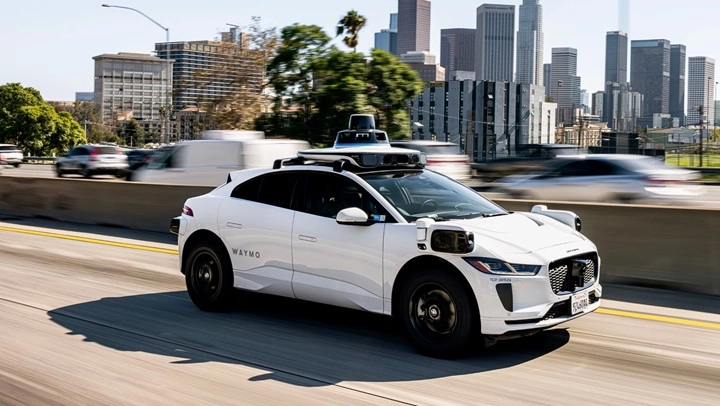
Similarly, the remote support system named Fleet Response was also tested and approved by TÜV SÜD. Although autonomous vehicles normally make all decisions on their own, they may rarely need support on certain issues. At this point, a human operator steps in. However, in this system, driving control does not pass to the operator. The autonomous system only receives informational support from the operator. During this time, driving control remains with the autonomous system. TÜV SÜD, which also extensively audited this system, observed all stages on-site, from operator training to daily procedures, emergency policies to data verification processes. At the end of the review, it was confirmed that the system is fully compatible with AVSC’s widely accepted remote support usage principles in the industry.
Waymo Tries to Reveal Its Difference in Safety This audit was actually not a necessity for Waymo. Regulators do not yet require such a comprehensive review. Therefore, the company took this step entirely on its own initiative; in doing so, it highlighted the safety culture it has been weaving for years, making it more visible. The fact that Waymo‘s autonomous system was subjected to an independent audit and found almost flawless could make its job much easier in the cities it will knock on the door of from now on. Therefore, Waymo‘s move can be read as a message of “it’s time to expand.” This raises the question: Does this registration mean we have finally entered Waymo‘s long-awaited period of rapid scaling? The technology certainly looks ready. Now, what the company needs to do is put an effective expansion plan on top of this strong foundation it has taken step by step for years.

You Might Also Like;