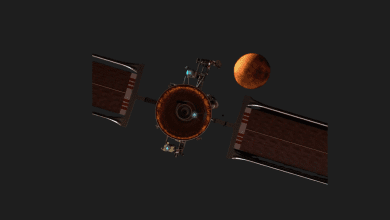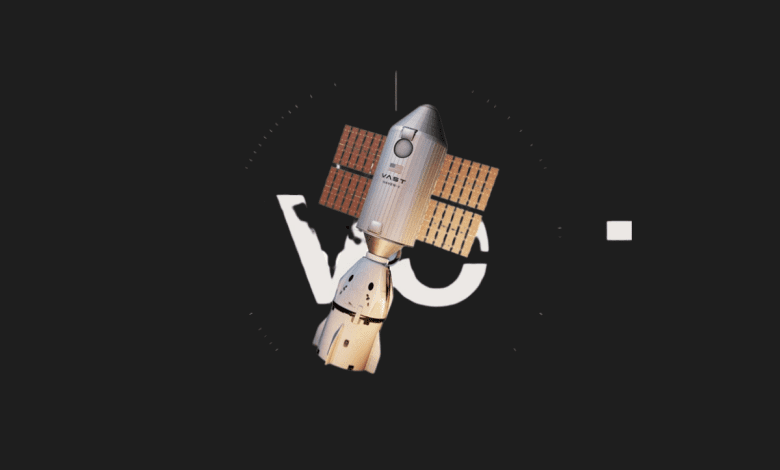

The Haven Demo satellite, developed by Vast, is initiating the era of private space stations by testing the core systems of the first commercial space station, Haven-1. Here are the details:
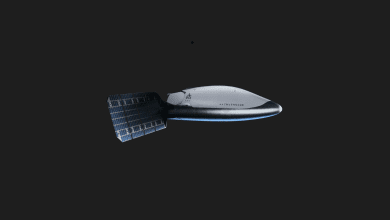
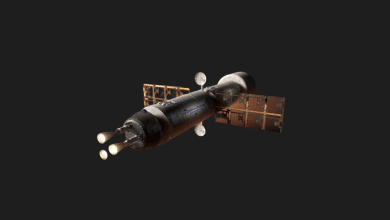
Developed by Vast, the Haven Demo was successfully launched on November 1, 2025, as a crucial test mission for the future of commercial space stations. This 500-kilogram uncrewed spacecraft aims to measure the on-orbit performance of critical systems for the first private space station, Haven-1.
Vast’s Haven-1 Project Opens the Door to a New Era in Space
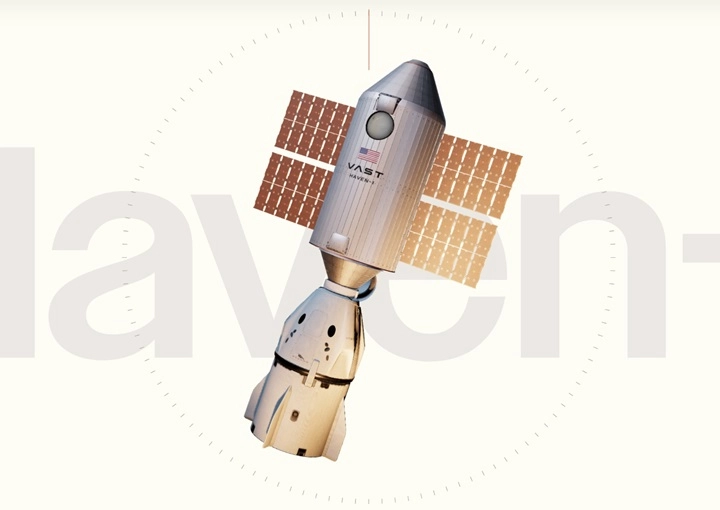
Launched as part of the Bandwagon-4 mission aboard a SpaceX Falcon 9 rocket, the Haven Demo was among a total of 18 different payloads. The spacecraft, which will remain in orbit for approximately six months, will test all the subsystems required for the safe commissioning of Haven-1. The successful completion of these tests will prevent potential failures during the deployment of Haven-1, which is scheduled for 2026.
The structure of the Haven Demo is quite different from traditional space habitat modules. Lacking an inflatable section where astronauts could live, the vehicle primarily focuses on verifying core technologies such as the propulsion systems, flight computers, navigation and guidance units, communication modules, and power systems. These tests will not only measure the reliability of the systems under orbital conditions but will also prove the efficiency of the ground control infrastructure on Earth.
One of the most important components of the mission is the system called the Power Distribution Unit (PDU). This unit manages the energy coming from the solar panels and battery packs. During the Haven Demo mission, the PDU’s reaction to potential multiple failure scenarios will also be examined. This will pre-test the system’s resilience against possible power outages on Haven-1.
Haven Demo achieved mission success after deploying from SpaceX’s Bandwagon-4 flight on Nov 2, 2025. Following nominal separation and stable sun-pointing, the spacecraft captured 4K video of its solar array deployment and is power-positive. 🇺🇸 pic.twitter.com/rlGBjZVi4S
— Vast (@vast) November 3, 2025


According to the latest information shared by Vast, the Haven Demo has successfully deployed its solar panels, and all systems are operating normally. At the end of the mission, the spacecraft will make a controlled re-entry into the Earth’s atmosphere and will be destructively disposed of over the South Pacific. Following the successful completion of the Haven Demo, the next stage will involve launching the Haven-1 station again with a Falcon 9 rocket. Positioned in an orbit of approximately 425 kilometers, this station will deploy its solar panels with its single inflatable module structure. The system will become fully operational after an approximate 45-day commissioning period.
According to Vast’s plan, once the Haven-1 station is operational, a team of four private astronauts will dock with the station using a SpaceX Crew Dragon capsule. The astronauts will stay there for about 30 days, conducting scientific experiments, technological tests, and preparations for long-duration space living. Upon completion of the mission, the crew will safely return to Earth.
You Might Also Like;
- We Selected 10 Series Similar to Stranger Things for Those Who Love It
- Where and How is Silver Used in Electric Vehicles?
- Hyundai Unveils Its Multi-Purpose Wheeled Robot
Follow us on TWITTER (X) and be instantly informed about the latest developments…